Are you looking for reliable copper ore grinding equipment at a fair price in Kazakhstan? We are SBM — a trusted manufacturer of industrial milling machinery. We offer fully customized solutions so your processing site can reach 500 TPH with confidence. Read this guide carefully to understand everything you need to make the right decision, God willing.
Let us begin with the basics. Milling equipment is designed to reduce large copper rocks — up to 500mm — into fine powder as small as 0.074mm. The wear parts are made from high-grade manganese steel, built to withstand the demanding conditions of daily mining operations. SBM manufactures robust units engineered to run for over 5,000 operating hours. We are a direct factory supplier, and we serve buyers in more than 100 countries. Every production line we build is customized, because no two mining sites share the same tonnage requirements or ore characteristics.
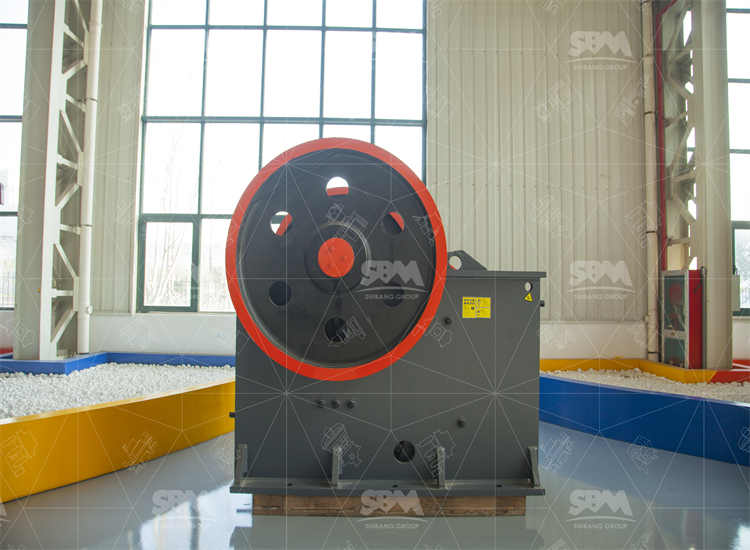
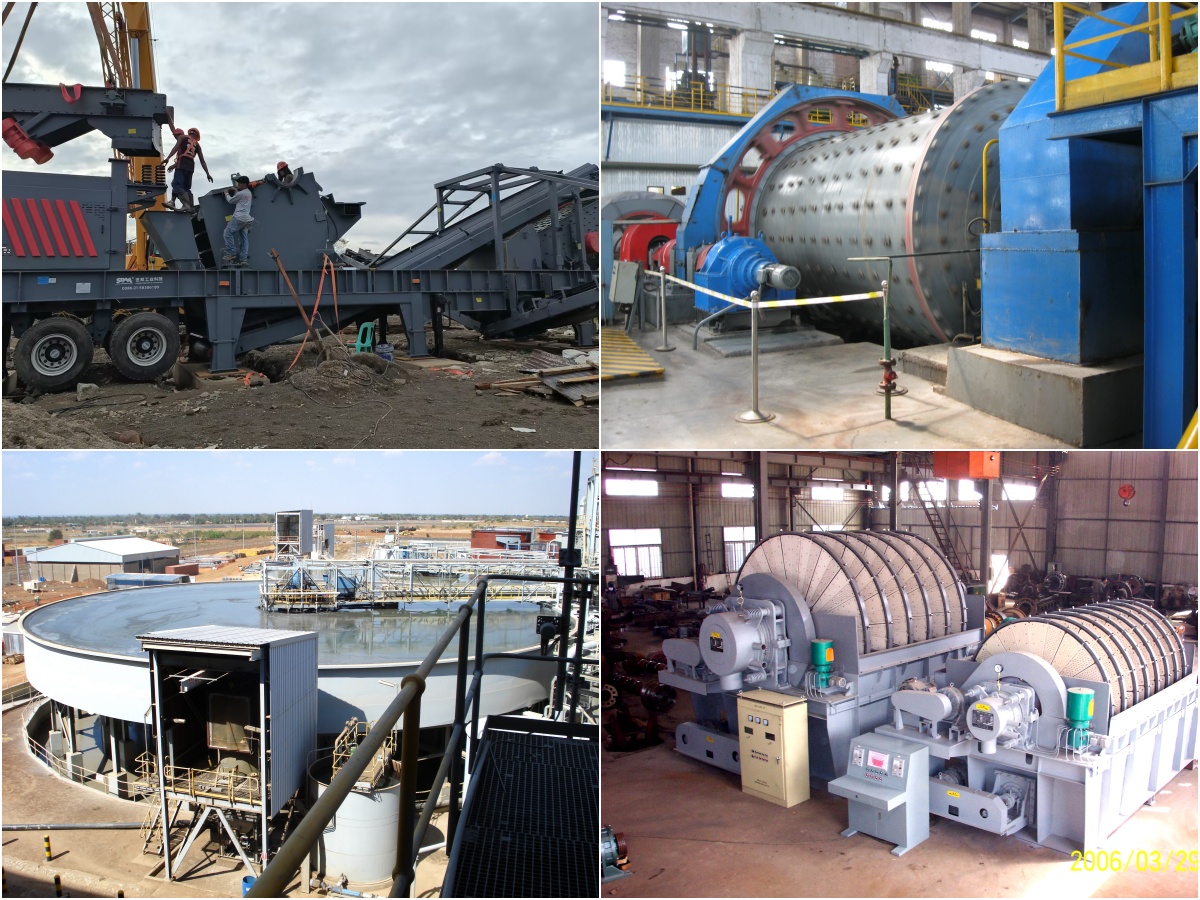
Now let us explain how the milling process works. An electric motor rotates a large cylindrical drum — typically 5 meters in diameter. A belt drive keeps the drum turning at a controlled speed. Inside, up to 100 tonnes of steel grinding balls tumble continuously, breaking down the copper ore with each impact. This is the fundamental principle of impact grinding. Research published in the Global Mining Journal confirms that this method reduces energy consumption by as much as 12% compared to older techniques. That is why we use it as the foundation of every system we build.
Here are the specifications you must review before purchasing. The first is the crushing ratio — how much the ore is reduced in size. The second is cavity geometry, which directly controls output gradation. The third is the Closed Side Setting, or CSS. The CSS controls the minimum gap — typically around 10mm — which prevents oversized particles from passing through. The Open Side Setting, or OSS, defines the maximum feed size that can enter the chamber. Both settings require weekly adjustment to maintain consistent throughput and product quality at 100% of your target capacity.
The drive system is the heart of the mill. For high-capacity operations, we pair the machine with a 500 kW motor calibrated to run at approximately 20 RPM. Rotational speed requires precise engineering. If the drum spins too fast — say, 30 RPM — centrifugal force pins the grinding balls against the drum wall and they stop falling. At that point, no grinding occurs at all. If the speed drops too low — around 10 RPM — the balls simply slide without impact. Our engineers calculate the optimal speed, typically 22 RPM, to achieve maximum grinding efficiency and highest powder output.
This is a question we hear often from mine operators across Kazakhstan and Central Asia. The answer is straightforward: equipment from the 1990s was designed with outdated motors, and mechanical friction alone wastes up to 20% of electrical input. Our solution is modern. We install 2024-standard high-efficiency motors that immediately reduce power draw by 15%. We also integrate automatic lubrication pumps that cut friction losses to just 2%. The combined result is a saving of up to $1,000 per day in electricity costs, based on a rate of $0.15 per kilowatt-hour — a meaningful reduction for any operation running around the clock.
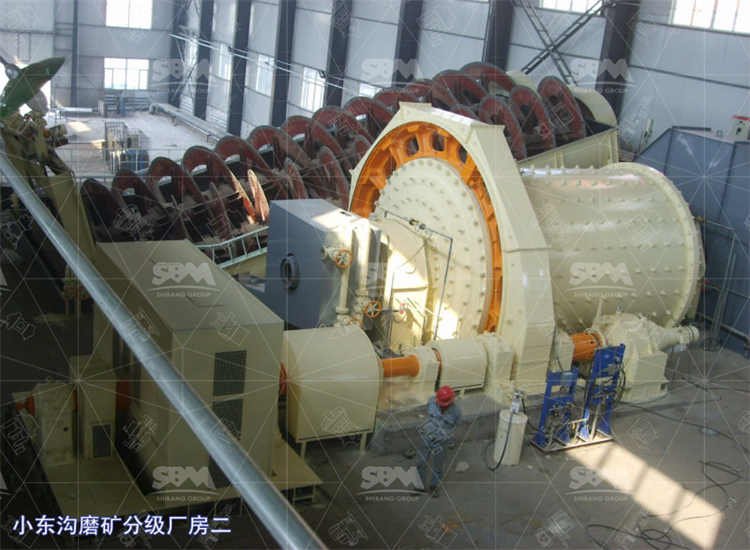
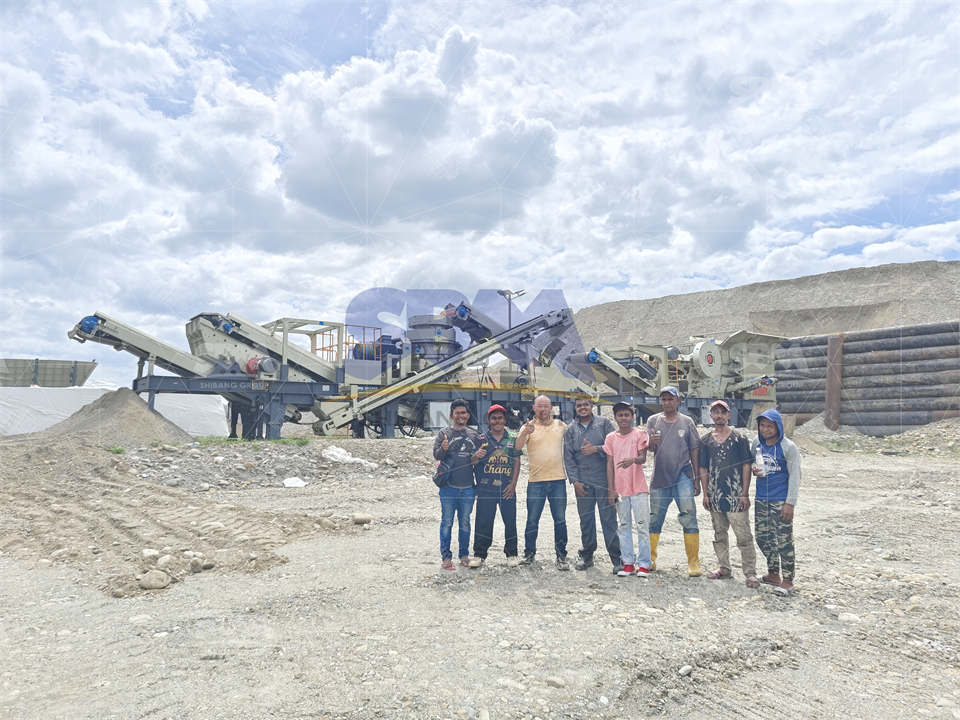
Let us share a real example from this region. A mining operator in Kazakhstan came to us needing a processing capacity of 300 TPH. Their ore was approximately 60% hard copper rock, and their site faced winter temperatures as low as minus 30 degrees Celsius — conditions that had been causing their old equipment to break down every week. Alhamdulillah, we were able to help. Our team flew to the site in March, conducted a thorough survey, and designed a complete new plant layout. We installed SBM heavy-duty ball mills alongside our jaw crushers, and within the agreed timeline, the plant was running 24 hours a day without interruption.
Here are the technical details from that project. The feed material averaged 25mm in size, and the finished product was ground to 0.074mm — a reduction ratio of 330:1. Despite the frozen ground conditions in winter, all machinery operated reliably at an internal temperature of 45 degrees Celsius, thanks to the thermal oil heating systems we installed. These systems kept lubricants flowing freely even during the harshest cold snaps. The client was very pleased: the equipment failure rate dropped by 40% compared to their previous setup, and production targets were consistently met.
The mine manager sent us a letter after the project was complete. He noted that the SBM machines ran continuously without unexpected stops, and that commissioning was completed in just 20 days. Daily maintenance requires no more than one hour, thanks to the quality tools and spare parts we supplied. He monitors the 300 TPH output rate every day, and was so satisfied that he subsequently ordered two additional units. For us, that repeat order is the truest measure of our quality. We are here to solve your production challenges — not just to make a sale.
Choosing the right equipment starts with a few key steps. First, test your ore hardness using a Bond Work Index test. Then record your target output in tonnes per hour. Also measure the available footprint at your processing site. Your feed size — typically around 50mm — and your target product fineness — typically 0.074mm — will narrow down your options significantly. We follow a structured selection process: define the 500 TPH goal first, then match it to the appropriate motor size, such as 800 kW, and select the mill model accordingly. This disciplined approach ensures you get the best-fit solution for your specific conditions.
| Model | Power (kW) | Capacity (TPH) |
|---|---|---|
| SBM-1500 | 130 | 20 |
| SBM-2100 | 210 | 45 |
| SBM-3500 | 350 | 80 |
The table above gives you a clear starting point for comparison. Note the SBM-3500 at 350 kW. We can also adjust voltage specifications to match local power supply standards in Kazakhstan and the broader CIS region. Simply send us your site requirements and we will tailor the solution accordingly.
We do not list a fixed price here because freight costs vary significantly depending on your site location — whether you are near Almaty, Karaganda, or a remote steppe operation. What we can tell you is that our factory-direct pricing saves you an average of 10% compared to purchasing through distributors. Our clients typically recover their full investment within 8 months. With a mill running 300 operating days per year and producing 50,000 tonnes of copper powder, which is then sold directly to smelters, the financial returns are very strong. The numbers speak for themselves.
We do not simply deliver equipment and leave — we manage the full installation process. A team of three SBM engineers will travel to your site, assemble and weld the complete production line, and verify all 50 moving components before handing over. They will also train up to ten of your local operators so your workforce can run the plant safely and confidently. Proper installation adds an estimated five years to the equipment’s service life. Every connection is bolted and checked to zero-accident standards, because the safety of your workers is not something we compromise on.
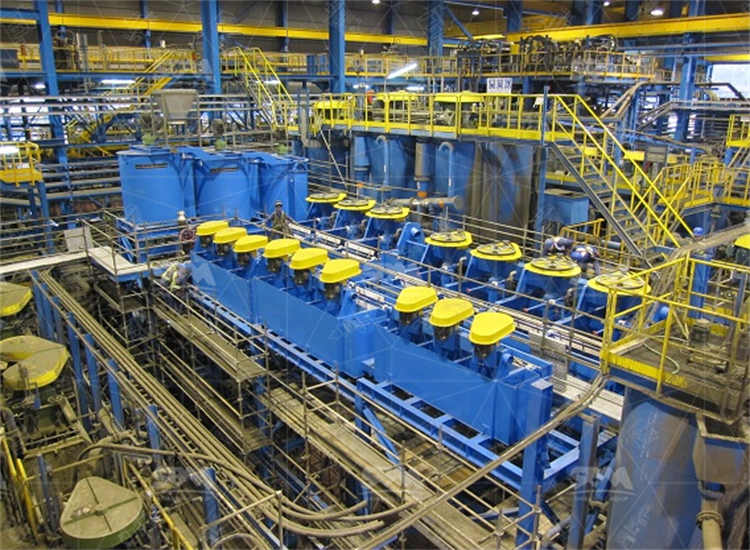
Keeping the mill in top condition is straightforward with our system. Check lubrication levels every Sunday. Replace liner plates every December as part of your annual shutdown. Add one tonne of grinding balls each month to compensate for the natural wear rate of approximately 1mm per day. Keeping the ball charge at a full 100 tonnes is essential for consistent throughput. All spare parts are held in our 5,000 square metre warehouse, so you will never wait more than a few days for a critical component. Your production line keeps processing ore — as it should.
Liner wear is a common concern that costs mines two days of downtime per replacement cycle. The cause is constant abrasion — hard copper ore grinding against the steel lining every single shift. Standard liners made from 10% carbon steel wear down quickly under these conditions. Our solution is to cast liners from 25% chromium steel, which cuts the wear rate by 50% and extends liner life by 12 months or more. Over a full year, this saves approximately $5,000 in spare parts costs alone, and far more when you factor in avoided downtime. It is a simple upgrade with a very clear payback.
Here is a second example worth sharing. A processing facility running at 200 TPH wanted to increase output to 300 TPH. Their power consumption had reached 5,000 kW, yet actual throughput had stalled at 180 TPH — below even their original design capacity. They contacted SBM. Our engineers audited all five process lines, identified the bottlenecks, and replaced two outdated mills with two of our modern high-efficiency units. The outcome was a 60% increase in throughput, achieved not by adding power, but by improving the mill’s internal geometry and grinding circuit design.
The figures from that upgrade project are worth highlighting. Before our intervention, the plant was consuming 25 kWh per tonne of copper ore processed. After installing our new mills, that figure dropped to 15 kWh per tonne — a saving of 10 kWh per tonne, or approximately 3,000 kW per day across the full operation. Additionally, the maintenance interval was extended from every two weeks to every six weeks, freeing up significant time and labor. These results were independently reviewed and cited by Asian Mining Review. The data is real, and the savings are repeatable.
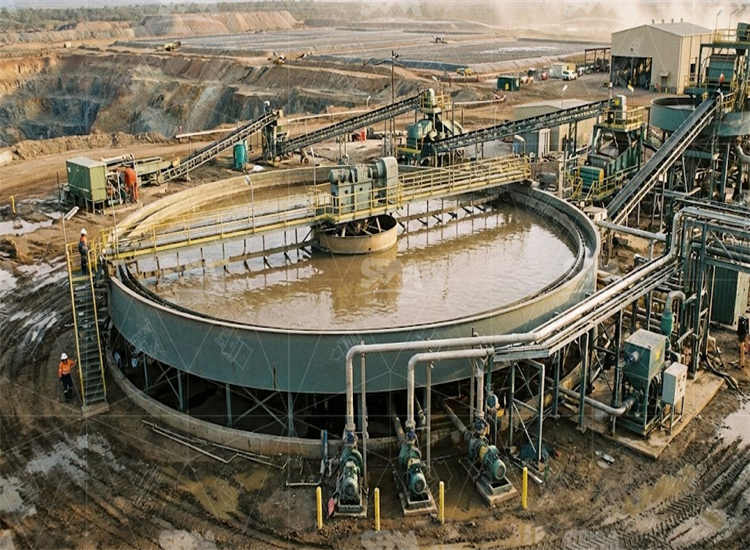
Controlling the final particle size requires a well-tuned classification circuit. Set the classifier speed to 50 RPM: fine particles at 0.074mm are carried upward by airflow and collected as finished product, while coarser particles at around 1mm fall back into the mill for further grinding. This creates a closed-circuit loop that eliminates oversize material from the final output. To handle a wide range of feed sizes, we recommend a mixed ball charge: large balls, around 100mm in diameter, for breaking down 20mm feed rocks, and smaller balls for finishing the finer 1mm particles. This combination delivers both efficiency and consistency.
The price depends on your specific requirements. We need to know your target throughput — say, 300 TPH — the type and hardness of your copper ore, and the distance and logistics involved in delivering to your site. Once we have those details, we prepare a customized quotation with full cost transparency. Because SBM is the direct manufacturer with no middlemen in the supply chain, you receive the best possible value for your investment. There are no hidden margins or reseller markups.
We provide a full 12-month warranty on all structural and mechanical components. If any part proves defective within that period, we ship a replacement at no cost to you, including coverage for the part itself. Wear parts — such as liners, grinding balls, and seals — are excluded from warranty coverage, as these are consumed naturally through normal operation. These consumables are stocked in our warehouse and available at cost price, so you can source them quickly without delays to your production schedule.
Yes, absolutely — this is a standard part of our service, and we have completed it for projects across Kazakhstan and Central Asia many times. We survey your available land area — for example, a 500-metre site — and produce a full 3D CAD layout that positions every unit for optimal material flow. The result is a layout that reduces your required footprint by up to 20%, because well-planned flow paths eliminate unnecessary transfers and conveyors. Our team of 30 engineers handles all structural load calculations and equipment placement to suit your specific ground conditions and operational needs.
You now have a thorough understanding of copper ore grinding equipment pricing and specifications for operations in Kazakhstan. SBM manufactures industry-leading milling machinery, provides full project support from design through commissioning, and stands behind every unit we deliver. Whether you are building a new 500 TPH plant or upgrading an existing line, we have the experience, the equipment, and the team to make it work. Contact us today for a quotation — inshallah, we will find the right solution for your operation together.
Whatsapp:+8617329420102
Email: [email protected]
Address: No. 1688, Gaoke East Road, Pudong new district, Shanghai, China.
Online Service : Get Price
We value your feedback! Please complete the form below so that we can tailor our services to your specific needs.