Crushing rocks is hard work. Doing it fast is harder. A 500 TPH plant is a big beast. It needs smart design. It needs strong gear. We are SBM. We know mining. This guide helps you build a big plant. It works for granite. It works for basalt. It saves money. We look at machines. We look at layouts. We fix pain points. Read this to win.
TPH means Tons Per Hour. 500 is a lot. It is not small. It is a medium to large scale. You need big trucks. You need big loaders. The flow must be smooth. If one machine stops; everything stops. That is bad.
Efficiency is key here. The rock comes in big. It goes out small. The ratio matters. We call it the reduction ratio. High ratio means more work. Low ratio means less work. We must balance this.
Standard data says 500 TPH needs power. It needs about 800 to 1200 kW. This depends on rock hardness. We measure hardness with Bond Work Index. Hard rock needs more power, Soft rock needs less.
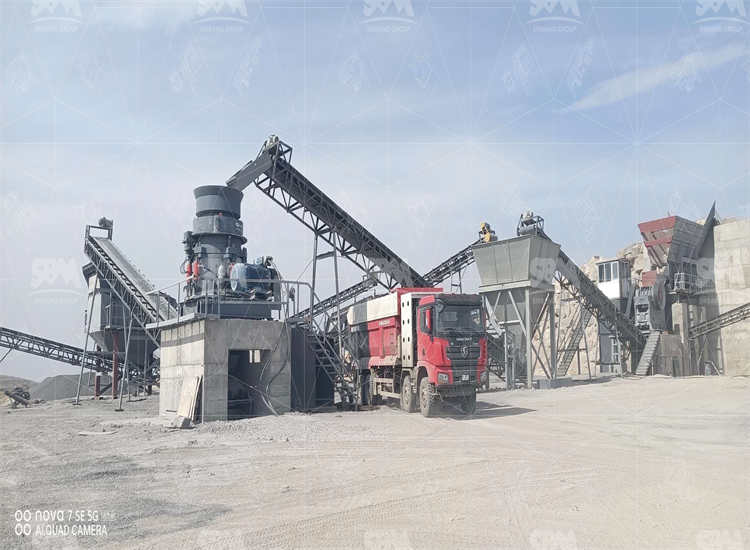
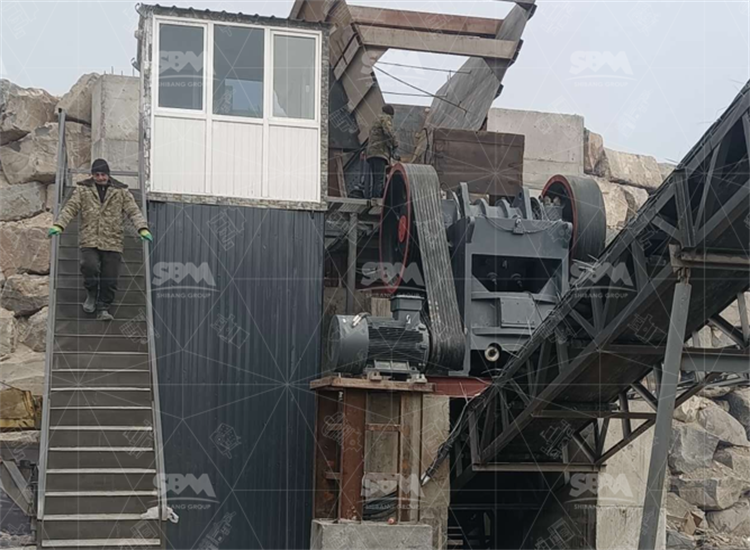
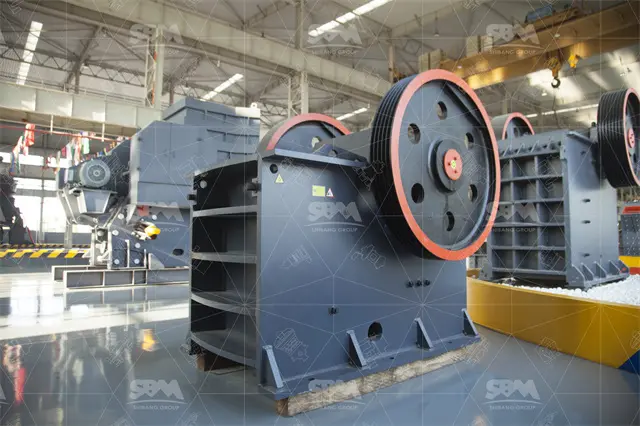
The first step is the Jaw Crusher. It is the mouth. It eats big rocks. For 500 TPH, you need a big one. SBM makes the PE and C6X series. They are strong.
How it works:
There are two plates. One moves. One stays still. The moving one is the swing jaw. The fixed one is the fixed jaw. The rock falls in. The jaw squeezes it. The rock breaks. It falls down.
Key Terms:
CSS (Closed Side Setting): The smallest gap. It sets the output size. Small CSS makes small rock.
OSS (Open Side Setting): The biggest gap. It lets rock in.
Nip Angle: The angle between jaws. It grips the rock. If too big, rock pops out.
We use a heavy flywheel. It stores energy. It keeps the jaw moving smoothly. Why? To save the motor. The motor does not work hard all the time. Inertia helps.
This is a big pain. Plates cost money. Changing them takes time. Time is money. You loose production.
The Cause:
Maybe the rock is too hard. Maybe the feed is wrong. If you feed only fines, it rubs. It does not break. This is called “choking”.
The Solution:
Use a grizzly feeder. It removes small rocks first. They bypass the crusher. This saves the plates. It increases life by 30%. SBM feeders do this well.
Also, check the material. High manganese steel is good. It gets harder when hit. We call it work-hardening. Standard is Mn13Cr2. For hard rock use Mn18Cr2. It lasts longer.
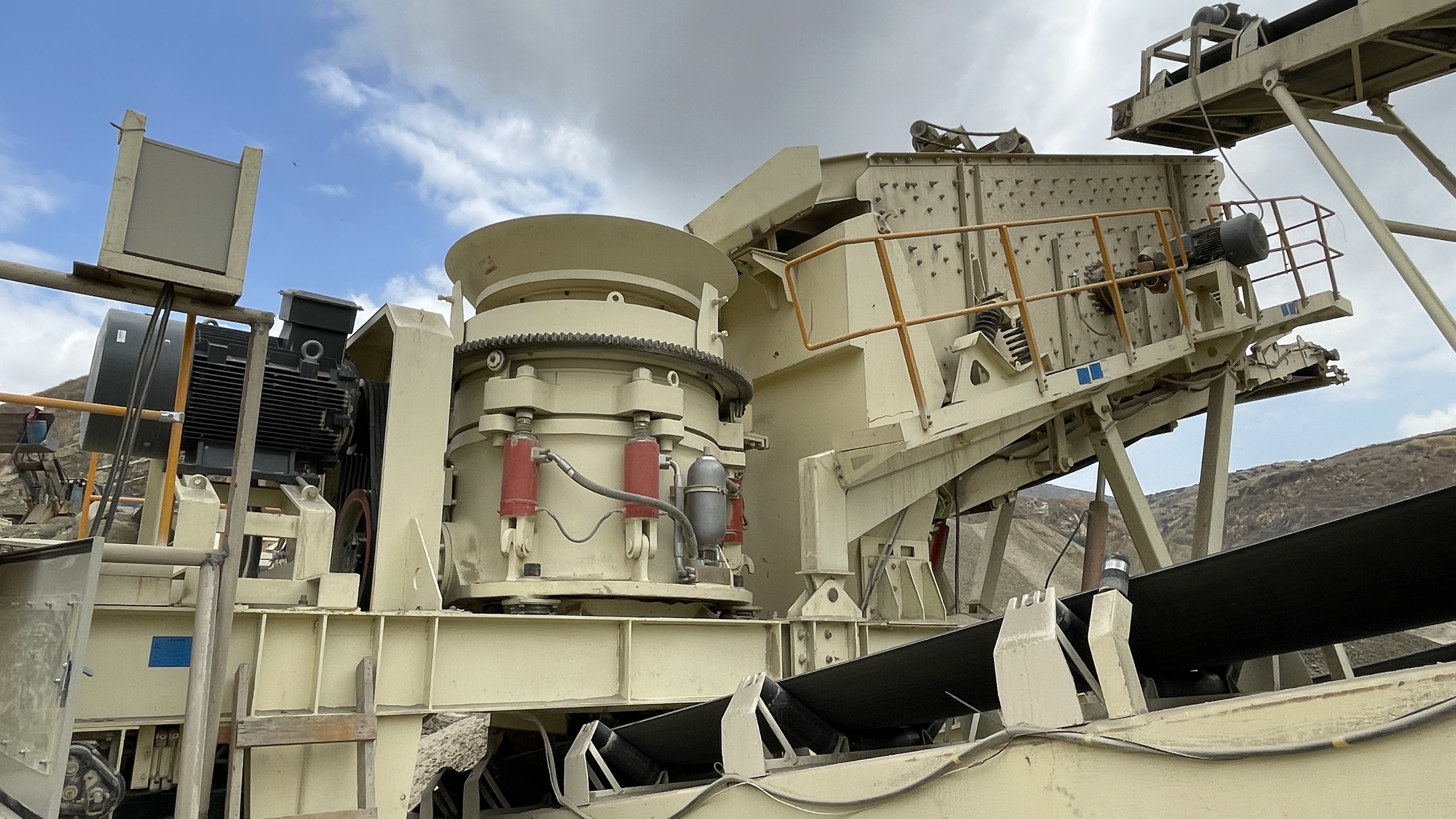
After the jaw, rock is 150-300mm. It is too big. We need 20-40mm. The Cone Crusher does this. It is the heart of the plant. SBM HST series is good here.
How it works:
A mantle spins. It wobbles inside a concave. The gap changes. Rock gets squeezed. It breaks many times. We call this lamination crushing. It makes cube shapes. Concrete needs cubes.
Hydraulic Protection:
Sometimes iron gets in. A drill bit maybe. It cannot break. The cone must open. Hydraulics let the bowl lift. The iron passes. The machine is safe. This is automatic.
Why use HST?
It has a computer. It controls the gap. It keeps load constant. It produces more. It saves power.
| Type | Input Size (mm) | Reduction Ratio | Main Use |
|---|---|---|---|
| Jaw Crusher | 500-1200 | 4:1 to 6:1 | Primary |
| Cone Crusher | 100-300 | 3:1 to 5:1 | Secondary |
| Impact Crusher | 300-800 | 10:1 to 20:1 | Soft Rock |
Use this table. Pick the right tool. Do not use Impact for granite. It wears too fast.
Energy is a big cost. 500 TPH uses lots of juice. Maybe 1000 USD a day. Or more. You want to cut this.
The Problem:
Old motors are bad. Belts slip. Running empty is bad. Many plants run empty 20% of the time.
The Solution:
1. Keep the crusher full. We call it “choke feed”. A full chamber breaks rock on rock. It is efficient. SBM sensors help here.
2. Use Soft Starters. They save spikes. They help the grid.
3. Check the liners. Worn liners use more power. The shape is wrong. Change them on time.
4. Match the motor. Don’t use a huge motor for light work. It wastes energy.
Background:
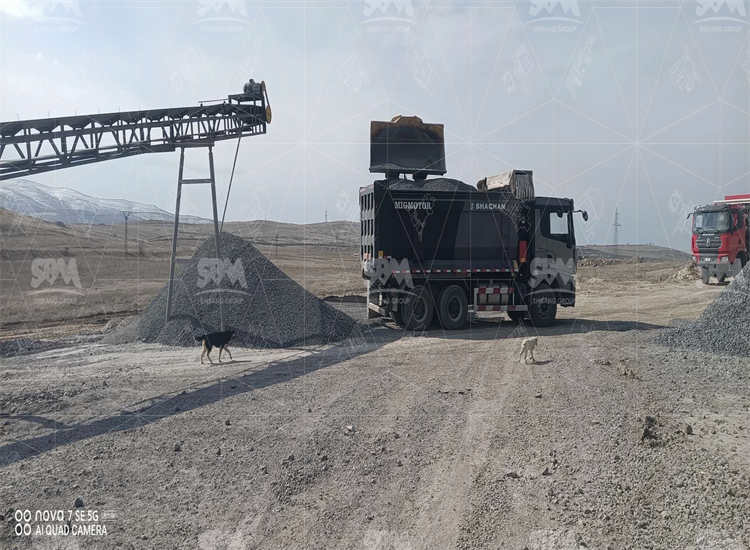
A client in Abuja needed 500 TPH. The rock was granite. Very hard. Abrasive. He wanted aggregate for roads. He had money constraints.
Equipment List:
1. Vibrating Feeder ZSW600x150.
2. SBM PE-1200×1500 Jaw Crusher.
3. SBM HST-315 Cone Crusher (Single Cylinder).
4. SBM HPT-300 Cone Crusher (Multi Cylinder).
5. Vibrating Screens (4 sets).
The Design:
We used a two-stage cone setup. The HST does coarse crushing. The HPT does fine crushing. Why? To shape the stone. The road agency checks shape. Flaky stone is rejected.
Results:
The plant runs 10 hours. Output is 520 TPH. The customer is happy. Maintenance is low.
Customer Voice:
“SBM engineers stayed for a month. They taught my guys. The machine is strong. We sell all the stone. The spare parts come fast.” – Mr. Okafor, Owner.
| Model | Power (kw) | Capacity (t/h) | Weight (t) |
|---|---|---|---|
| HST100 | 90 | 40-160 | 7.5 |
| HST160 | 160 | 80-310 | 13.2 |
| HST315 | 315 | 190-600 | 26.5 |
See the HST315. It fits 500 TPH well. You might need two; depending on size.
Buyers want cubes. They hate needles. Flat stones break in roads. If your stone is flat, you lose sales.
The Reason:
1. Wrong crusher type. Jaw crushers make flat stones.
2. Open circuit crushing. The stone goes through once.
3. Worn liners.
The Fix:
Use a Cone Crusher. Keep the chamber full. This promotes rock-on-rock action. It breaks edges. It makes cubes.
Use a closed circuit. Screen the stone. Oversize goes back. It gets crushed again. This shapes it better.
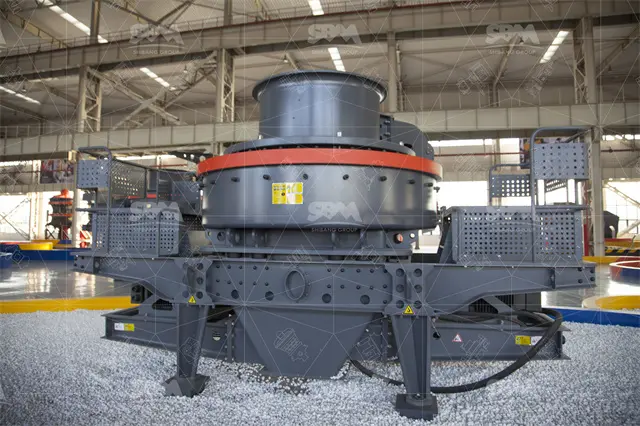
SBM VSI crusher is best. It is a sand maker. It shapes stone perfectly. Add it at the end. It fixes shape issues.
Background:
This was a cement plant. They need 600 TPH. Limestone is soft. It is not abrasive. But it can be wet. Sticky.
Equipment:
1. Heavy Hammer Crusher. SBM PCZ series.
2. Impact Crusher. SBM CI5X series.
Design Logic:
Hammer crusher has big ratio. It does primary and secondary in one step. It is cheap. It handles soft rock well. We did not use cones. Cones clog with wet limestone.
Operational Data:
Input size: 800mm.
Output size: 0-25mm.
Power usage: 0.8 kWh per ton. Very low.
Pain Point Solved:
The rain made rock sticky. Old crushers blocked. SBM put heaters on screens. We used large grate openings. No more blocking.
Good machines need good foundations. Concrete must be thick. Vibration kills weak concrete.
Steps:
1. Dig deep. Check soil bearing. 200 kPa is needed.
2. Pour concrete. Use steel bars. Wait 28 days. It must cure.
3. Level the base. Use a laser. It must be flat.
4. Bolt it down. Check torque. Retighten after 48 hours.
SBM sends drawings. Follow them. Do not guess.
Machines die without oil. You must lube them.
Daily Check:
Look at oil level. Listen for weird noise. Check bolts.
Weekly Check:
Grease bearings. Check belt tension. Clean filters.
Monthly Check:
Measure liner wear. If 50% worn, order new ones. Don’t wait. Parts take time to ship.
SBM has a cloud app. It tracks health. It tells you when to service. Use it.
A 500 TPH plant is expensive. Maybe 1 million USD. Maybe 2 million. It depends.
The ROI:
500 tons per hour. 10 hours a day. 5000 tons. If profit is 2 USD per ton. That is 10,000 USD a day.
Payback is fast. Maybe 6 months. Maybe 1 year. But only if it runs. Downtime kills profit.
Buy quality. Buy SBM. Cheap machines break. They cost more in the end.
1. Can I process wet material?
Yes, but be careful. Jaw is okay. Cone is bad. Impact is okay. If water is >5%, it sticks. You might need to wash it first.
2. How long do liners last?
It depends on silica. High silica means fast wear. Granite: 300-500 hours. Limestone: 2000 hours. Always keep spares.
3. How much land do I need?
For 500 TPH, you need space. Stockpiles are big. Trucks need to turn. 150m x 100m is a good start. Flat land is best.
Building a 500 TPH plant is a journey. It has risks. But rewards are high.
We covered Jaws and Cones. We looked at power. We saw real cases.
Remember the rules:
1. Know your rock.
2. Feed it right.
3. Maintain it well.
SBM is here to help. We have 30 years experience. We are in 170 countries. We have the data. We have the iron.
Do you have a project? Do you have questions? Contact SBM now. Let us design your plant. Let us make you money.
Whatsapp:+8617329420102
Email: [email protected]
Address: No. 1688, Gaoke East Road, Pudong new district, Shanghai, China.
Online Service : Get Price
We value your feedback! Please complete the form below so that we can tailor our services to your specific needs.