Silver ore processing demands precise equipment choices and well-tuned workflows. A small drop in recovery rate can cost thousands of dollars per day. This guide covers the key methods, equipment parameters, and real-world practices that help operations push silver recovery above 90%.
Recovery rate measures how much silver you actually extract from raw ore, compared to the total silver in the feed. If your ore contains 200 grams of silver per tonne and you recover 180 grams, your recovery rate is 90%. The remaining 10% goes to tailings — that is lost revenue.
Silver rarely appears as pure metal in ore deposits. It bonds with sulfide minerals like argentite (Ag2S), polybasite, and stephanite. Some silver also hides inside galena or pyrite as micro-inclusions. Because of this complexity, a single processing method rarely works alone. Most high-recovery circuits combine comminution, flotation, leaching, and sometimes gravity separation.
Understanding how each machine works helps you avoid mismatches between equipment and ore type.
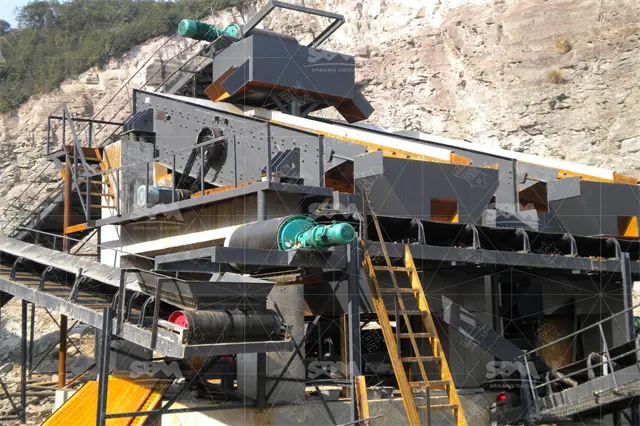
Jaw Crusher (Primary Crushing): Feed ore enters between a fixed jaw and a moving jaw. The moving jaw compresses rock in a cyclic motion. This breaks ore from run-of-mine size (up to 1,000 mm) down to 100–150 mm. Crushing ratio typically ranges from 4:1 to 7:1. The closed-side setting (CSS) controls discharge size — a smaller CSS gives finer product but reduces throughput.
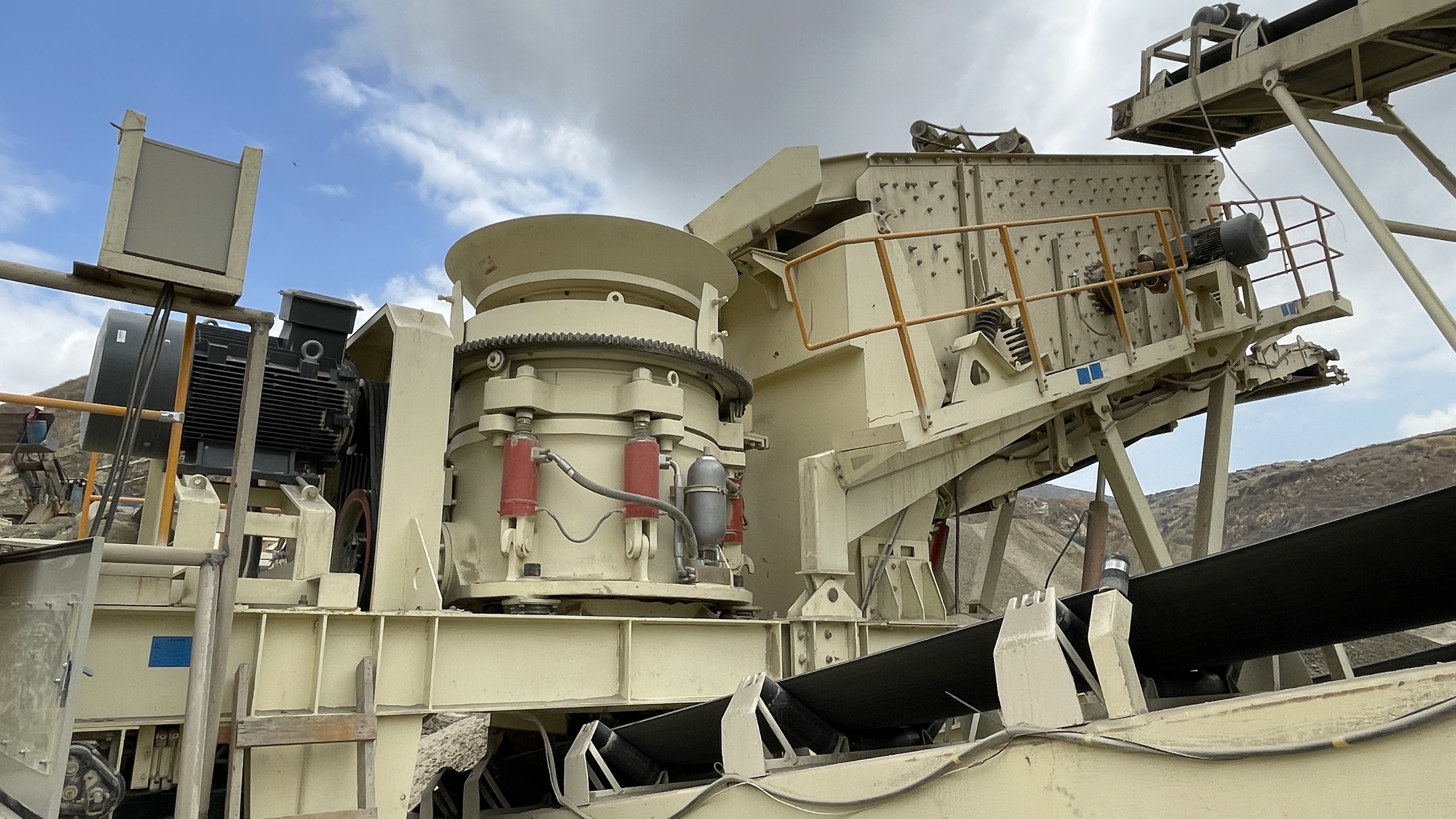
Cone Crusher (Secondary/Tertiary Crushing): A rotating mantle inside a concave bowl crushes ore by compression and shear. Cone crushers handle 50–300 mm feed and produce 6–25 mm output, depending on CSS and chamber profile. Coarse chambers suit medium-hard ores; fine chambers suit harder, more competent silver-sulfide rock. Eccentricity and RPM affect both product size and power draw.
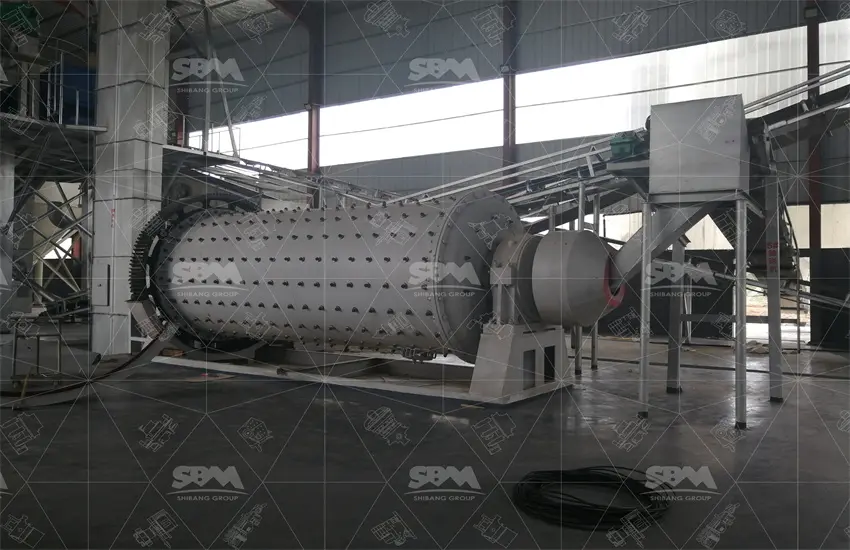
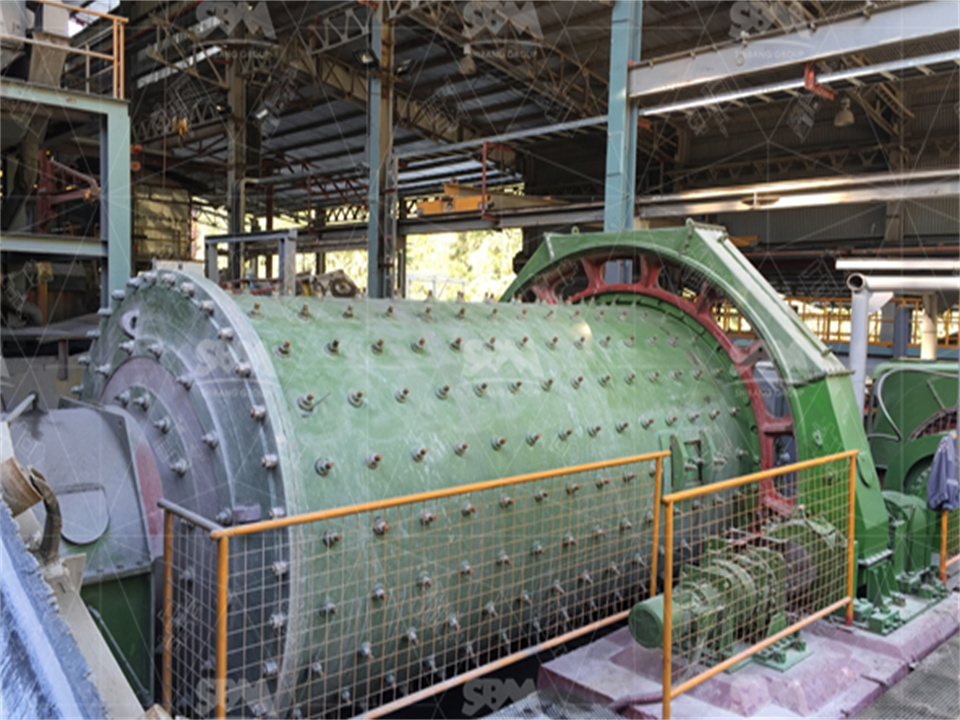
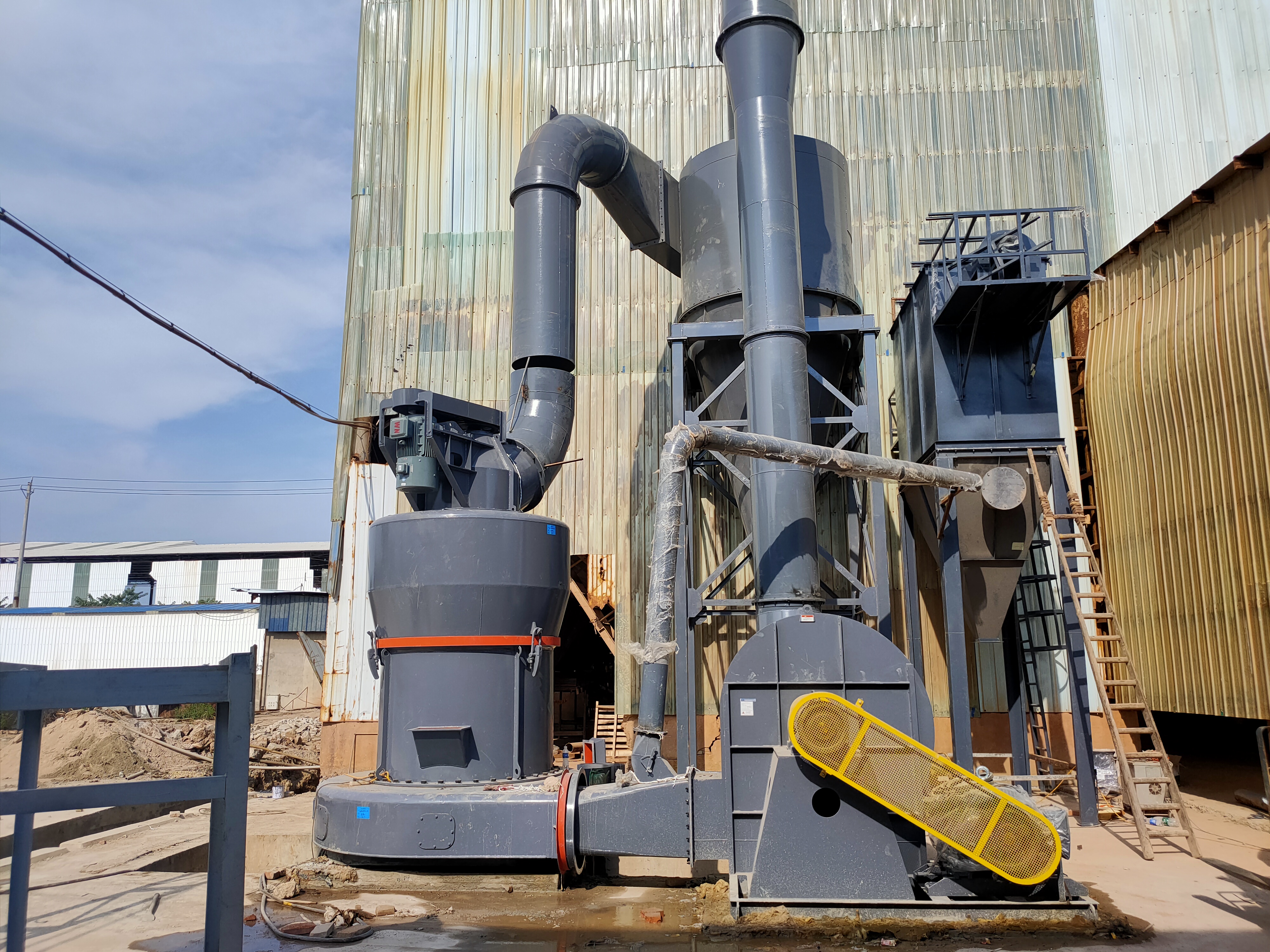
Ball Mill (Grinding): Steel balls tumble inside a rotating drum and grind ore to liberation size — typically 75–150 microns for silver sulfides. Mill diameter, ball charge volume (30–40% of mill volume), and rotational speed (65–78% of critical speed) all influence grind size and energy consumption. Over-grinding wastes energy and can slime fine silver particles, hurting flotation performance.
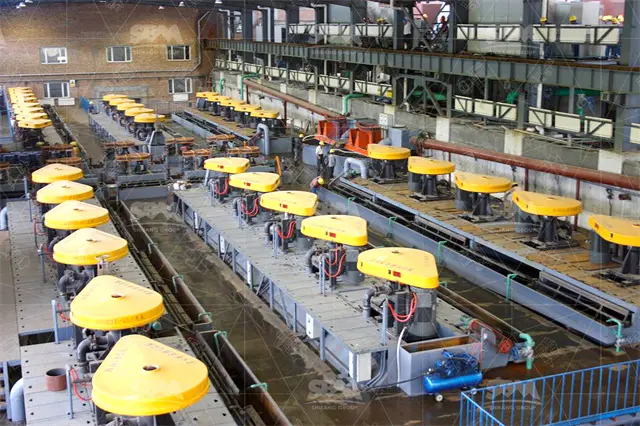
Flotation Cell: Ground ore mixes with water and chemical reagents. Air bubbles attach to hydrophobic silver-mineral surfaces and carry them to the froth layer. Collectors (e.g., xanthates, dithiophosphates) make silver minerals water-repellent. Frothers stabilize the bubble layer. pH modifiers control selectivity. Impeller speed and air flow rate determine bubble size and residence time.
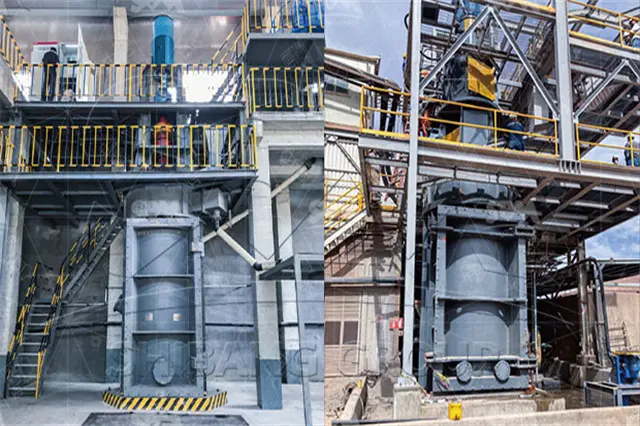
Leaching Tank (CIL/CIP): Carbon-in-leach (CIL) or carbon-in-pulp (CIP) circuits dissolve silver using cyanide solution. Activated carbon adsorbs the dissolved silver complex. Typical leach time runs 24–48 hours, with cyanide concentration at 200–500 mg/L and pH above 10.5 for safe and efficient dissolution.
Getting parameters right separates a 78% recovery circuit from a 93% one. Below are the critical values for each processing stage.
| Stage | Equipment | Key Parameter | Typical Range | Effect on Silver Recovery |
|---|---|---|---|---|
| Primary Crushing | Jaw Crusher | CSS (Closed-Side Setting) | 80–150 mm | Controls feed size to secondary crusher |
| Secondary Crushing | Cone Crusher | CSS / Chamber Type | 6–25 mm / Fine to Medium | Finer CSS improves liberation in grinding |
| Grinding | Ball Mill | P80 (Product Size) | 75–150 µm | Liberation of silver minerals from gangue |
| Flotation | Flotation Cell | pH / Collector Dosage | pH 7.5–11 / 50–200 g/t | Selective attachment of silver minerals |
| Leaching | CIL/CIP Tank | NaCN Concentration / pH | 200–500 mg/L / >10.5 | Complete dissolution of liberated silver |
| Dewatering | Thickener / Filter Press | Underflow Density | 55–70% solids | Efficient washing reduces silver in tailings |
Always verify your target P80 grind size with a mineralogical study before commissioning. Silver occurrence mode — free grains vs. locked micro-inclusions — changes the liberation size requirement significantly.
Ore hardness, silver mineral type, and desired throughput all shape equipment choices. The table below gives a practical decision framework.
| Ore Characteristic | Recommended Primary Crusher | Recommended Grinding | Recommended Separation | Notes |
|---|---|---|---|---|
| Soft to medium (Bond WI < 12 kWh/t), free milling silver | Jaw Crusher | Ball Mill, P80 = 106 µm | Gravity + CIL | Simpler circuit, lower capex |
| Hard (Bond WI 12–18 kWh/t), silver in sulfides | Jaw + Cone Crusher | SAG Mill + Ball Mill | Flotation + CIL | Two-stage grinding improves liberation |
| Complex polymetallic (Ag-Pb-Zn) | Jaw + Cone Crusher | Rod Mill + Ball Mill | Selective Flotation | Sequential flotation maximizes each metal recovery |
| High clay content, sticky ore | Double-roller Crusher | Ball Mill with scrubber | Flotation | Scrubbing before grinding prevents slime coating |
| Fine-grained silver (< 20 µm inclusions) | Jaw + Cone Crusher | IsaMill or Stirred Mill | Flotation + Intensive Leach | Ultra-fine grinding needed for liberation |
When ore hardness data is unavailable, request a Bond Work Index (BWI) test before finalizing equipment. Using an undersized mill for hard ore is one of the most common causes of poor silver recovery in new operations.
Many plant managers report hitting a recovery ceiling they cannot break through. The cause is almost always one of four problems: incomplete liberation, reagent imbalance, poor pulp chemistry, or equipment wear.
Incomplete liberation happens when grinding stops before silver minerals separate from gangue. A quick check: run a screen analysis on your mill discharge. If more than 15% of particles are coarser than your target P80, the mill is undersized or overloaded. Solutions include reducing feed rate, adding a pebble crusher to the circuit, or switching to a finer chamber in your cone crusher.
Reagent imbalance is subtler. Using too much collector can cause non-selective flotation — you float gangue along with silver minerals, and concentrate grade drops. Too little collector leaves silver in the tailings. Conduct a reagent optimization test at bench scale before adjusting plant dosages. Target a froth that is loaded but not overflow-watery.
pH swings during leaching are also a frequent culprit. If pH drops below 10.5, cyanide converts to HCN gas and silver dissolution slows sharply. Install continuous pH monitoring on all leach tanks, and maintain lime addition as a standard operating procedure, not a reactive measure.
Arsenic minerals — particularly arsenopyrite and enargite — often host silver micro-inclusions. Standard cyanide leaching struggles to dissolve silver locked inside these sulfide shells. This is a real challenge for many deposits in South America, Central Asia, and Southeast Asia.
The practical solution is pre-treatment before leaching. Two options work well at industrial scale:
Feed the flotation concentrate to an autoclave at 180–230°C and 20–35 bar oxygen pressure. This oxidizes the sulfide matrix and exposes silver to cyanide in the downstream leach. POX circuits add capital cost but regularly push refractory silver recovery from below 60% to above 90%.
Acidophilic bacteria (Acidithiobacillus ferrooxidans) oxidize iron sulfides at atmospheric pressure and 35–45°C. BIOX suits concentrates with moderate sulfide content (10–25% sulfur). Capital cost is lower than POX, but retention time is longer — typically 4–6 days.
Choosing between POX and BIOX depends on sulfide content, arsenic level, and available capital. For plants processing above 500 tonnes of concentrate per day, POX usually gives better economics. For smaller operations, BIOX is worth evaluating first.
Grade variability is a day-to-day reality at most silver mines. When head grade drops from 200 g/t to 120 g/t, the leach circuit and flotation section must adjust — otherwise recovery falls with grade.
The key adjustment is residence time. Lower-grade feed means less silver per unit of solution volume. Extending leach residence time from 24 to 36 hours often recovers 3–5 percentage points lost to grade drop. This does not require new tanks — simply reduce feed tonnage to the leach circuit during low-grade periods.
In flotation, lower feed grade often means fewer silver mineral particles to float. Bubble loading drops, and fine silver particles escape with the tailings. Reduce air flow rate slightly to create smaller, more numerous bubbles. Add a rougher scavenger cell downstream if persistent silver loss is confirmed by tailings assay.
Regular tailings sampling — at least every 4 hours during operations — gives early warning of grade-related recovery losses before they become significant financial problems.
Location: High-altitude mine, arid region, average temperature range −10°C to 38°C, water supply limited to 60% of typical operations.
Ore characteristics: Silver-bearing galena ore, feed grade 185 g/t Ag and 4.2% Pb, Bond Work Index 14.5 kWh/t, ore competency moderate-hard.
Circuit installed: PE-900×1200 jaw crusher → HP300 cone crusher (fine chamber, CSS 12 mm) → 4.0×6.0 m overflow ball mill (target P80 = 105 µm) → 6-cell XJK flotation line → 3 CIL tanks (total volume 1,800 m³).
Measured operating data (first 6 months):
91.4% average
94.8% average
18.3 kWh/t
3.2% of scheduled operating hours
Every 4,200 operating hours
Every 3,000 operating hours
The plant manager reported that the cone crusher’s automated CSS control reduced operator workload during temperature swings. In winter, ore brittleness increased and product was slightly finer than target — the auto-CSS adjustment kept P80 stable without manual intervention. Water recycling from the thickener underflow covered 71% of process water demand, which was critical given site water limits.
During the sixth month commissioning review, the metallurgist on-site noted: “The grind consistency coming off the ball mill is better than our previous plant. We hit P80 within ±8 microns for five of the six months. That consistency is what keeps our flotation reagent dosages stable.”
Location: Tropical region, annual rainfall above 2,400 mm, high humidity (80–95%), ambient temperature 28–35°C year-round.
Ore characteristics: Refractory silver ore with silver locked in pyrite and arsenopyrite, feed grade 140 g/t Ag, sulfur content 18%, arsenic 1.2%, Bond Work Index 16.8 kWh/t.
Circuit installed: PE-750×1060 jaw crusher → HP200 cone crusher (medium-fine chamber) → 3.6×5.5 m ball mill (P80 = 75 µm) → bulk sulfide flotation → BIOX pre-treatment (4-day retention) → 2 CIL tanks.
Measured operating data (first year):
88.7% average (62% without BIOX pre-treatment in pilot test)
94.3% sulfide oxidation
24.1 kWh/t
4.8% (majority from one BIOX pump failure in month 3)
3,800 hours (slightly shorter than dry climate operation due to wet ore stickiness)
High humidity created minor issues with electrical panels and bearing lubrication intervals. The maintenance team implemented bi-weekly grease checks on the ball mill trunnion bearings and moved main electrical cabinets inside a climate-controlled room. After these changes, unplanned downtime dropped from 4.8% to 2.9% in the second year.
The production supervisor shared feedback during a mid-year operational review: “Installing the BIOX section looked expensive on paper. But when you compare our current 88% recovery to the 62% we measured in the pilot, the payback is clear. We would not go back to straight cyanide leach on this ore type.”
Capital cost for a silver processing plant varies widely by throughput, ore type, and circuit complexity. A basic crush-grind-flotation-leach circuit for 500 tonnes per day typically requires significant capital, but the key financial driver is recovery rate, not equipment cost alone.
Consider this: at a silver price of $25 per troy ounce, improving recovery from 82% to 92% on a 500 t/d plant processing 150 g/t ore adds roughly 73 kg of silver per day — approximately $58,000 in additional daily revenue. Over one year, that gap in recovery represents over $20 million in recovered value.
Operating costs split mainly between grinding energy (35–45% of opex), reagent consumption (20–30%), and labor and maintenance (25–35%). Optimizing grind size is the most powerful lever for reducing energy cost without hurting recovery. Over-grinding costs energy without improving liberation once you are past the liberation size.
Equipment reliability directly affects ROI. A crusher or mill running at 95% availability generates meaningfully more silver than the same machine at 88%. Investing in quality wear parts and scheduled maintenance pays back faster than most operators expect — typically within 6–12 months through reduced downtime losses.
Proper installation sets the baseline for all future performance. A ball mill installed with incorrect alignment, for example, will consume 5–8% more power and wear liners unevenly. We provide on-site installation supervision for all major equipment — jaw crushers, cone crushers, ball mills, and flotation cells.
Our commissioning team runs a structured 4-week startup program. Week 1 covers mechanical checks and dry runs. Week 2 introduces water circuits and tests pumps and instruments. Weeks 3–4 introduce ore feed at 60%, then 80%, then 100% design throughput. This staged approach catches problems before they cause unplanned shutdowns.
For maintenance, we supply:
We recommend a 12-month critical spare parts list tailored to your circuit. This covers jaw plates, cone liners, ball mill liners, and flotation impellers.
Documented inspection intervals for each equipment type, based on operating hours and ore abrasiveness data.
Our process engineers are available via video call for troubleshooting, reagent optimization advice, and operational adjustments during the first two years of operation.
Hands-on training for your operators and maintenance crew covers safe operation, fault diagnosis, and wear part replacement procedures.
Customers in remote locations — common for silver mines — receive a pre-positioned spare parts package before plant startup. This eliminates the risk of extended downtime from a single failed component while waiting for international freight.
For free-milling silver ores processed through standard crush-grind-flotation-CIL circuits, recovery of 88–94% is achievable with well-tuned operations. Refractory ores — where silver is locked inside sulfide minerals — typically recover 60–75% without pre-treatment. Adding pressure oxidation or bacterial oxidation before leaching brings refractory ore recovery up to 85–92%.
The single biggest variable is liberation. Have a mineralogical study done on your ore before designing the circuit. It tells you what grind size is needed to free silver from its host minerals. Designing around the correct P80 target is the most direct path to hitting high recovery from day one.
Grinding fineness has a large effect, but finer is not always better. Under-grinding leaves silver locked inside host minerals — recovery suffers because collectors cannot attach to unexposed silver surfaces. Over-grinding creates very fine particles (slimes below 10 µm) that are difficult to float and tend to coat coarser particles, blocking flotation.
The optimal P80 is ore-specific. For most silver sulfide ores, the target falls between 75 and 150 microns. Run a grind-recovery curve test at bench scale: test recovery at P80 values of 150, 106, 75, and 53 µm. The point where recovery stops improving — or starts to decline — defines your optimal grind target. Then design your mill to hit that number consistently.
Yes, alternatives exist. Thiosulfate leaching is the most studied cyanide-free option. It dissolves silver effectively and has lower toxicity than cyanide. The drawback is reagent stability — thiosulfate degrades during leaching, and reagent consumption is higher than cyanide circuits. Operating cost is therefore higher, and the technology requires more precise process control.
For ores with very high silver content (above 400 g/t), gravity concentration followed by direct smelting can recover significant silver without any leaching. Shaking tables and centrifugal concentrators work well for coarse, free silver particles. However, most silver deposits contain fine-grained silver that responds better to flotation and leaching than to gravity methods alone.
Regulatory pressure in some countries is pushing operations toward cyanide alternatives. If your project faces strict cyanide permitting requirements, discuss thiosulfate or halide leaching options with your process engineer early in project design. These systems are technically proven but require different materials and operational expertise.
Silver ore processing works best when every stage — from primary crushing to final dewatering — is designed around your specific ore characteristics. There is no universal circuit that fits every deposit. The cases and parameters in this guide give you a solid starting framework, but the details matter.
We are a mining equipment manufacturer with full-circuit capability. Our product range covers jaw crushers, cone crushers, ball mills, flotation cells, leaching tanks, thickeners, and filter presses. Beyond equipment supply, we provide process design support, installation supervision, and long-term maintenance backing.
If you are working on a new silver processing project — or looking to improve recovery at an existing plant — send us your ore sample data and throughput requirements. Our process engineers will review your situation and recommend a circuit configuration with specific equipment models and expected recovery targets.
Contact our technical team today. Share your ore grade, mineralogy report, and daily throughput target. We will respond with a preliminary circuit design and equipment list within 5 working days. Real solutions start with real data — and we are ready to work through yours with you.
Whatsapp:+8617329420102
Email: [email protected]
Address: No. 1688, Gaoke East Road, Pudong new district, Shanghai, China.
Online Service : Get Price
We value your feedback! Please complete the form below so that we can tailor our services to your specific needs.