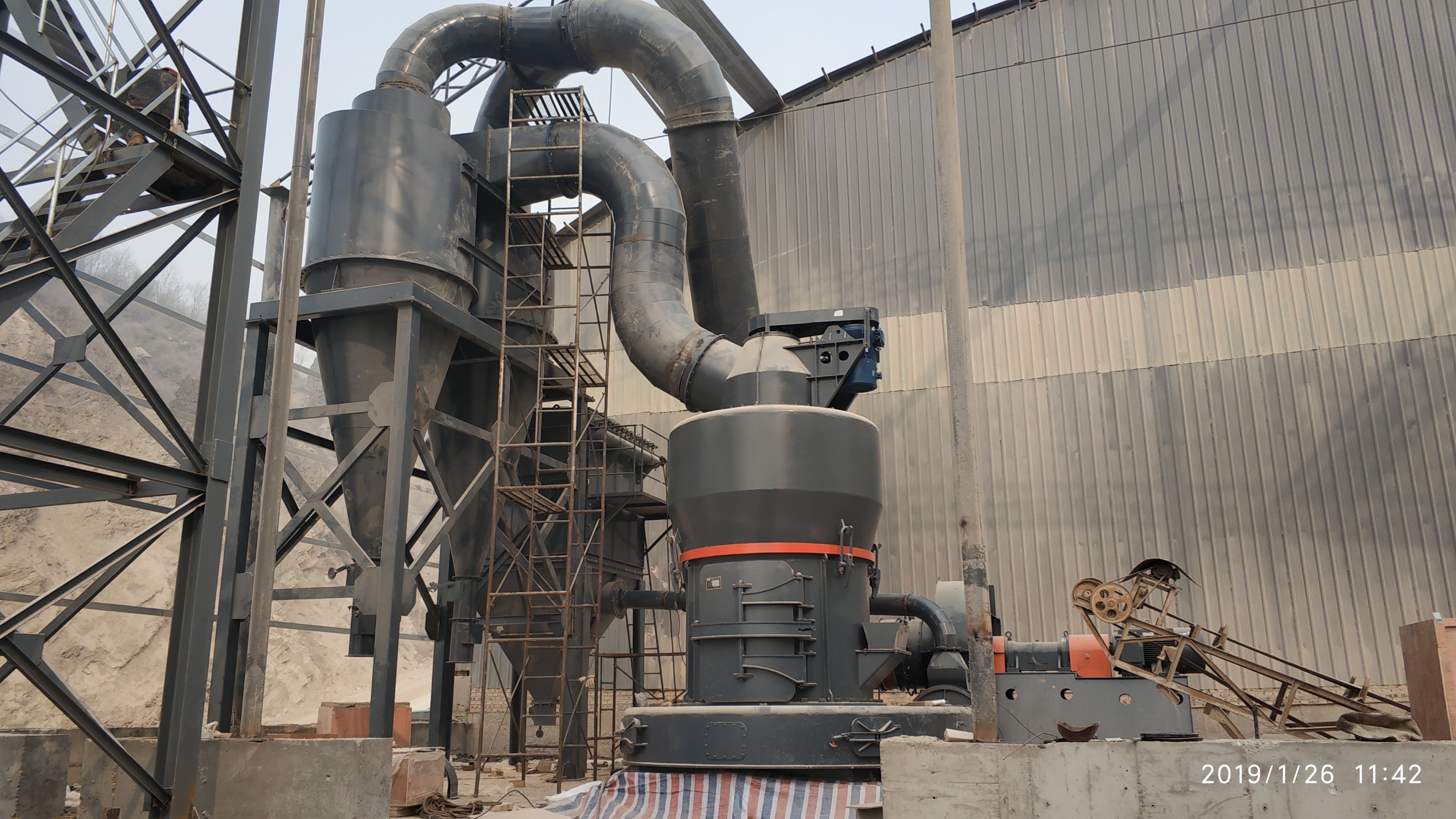
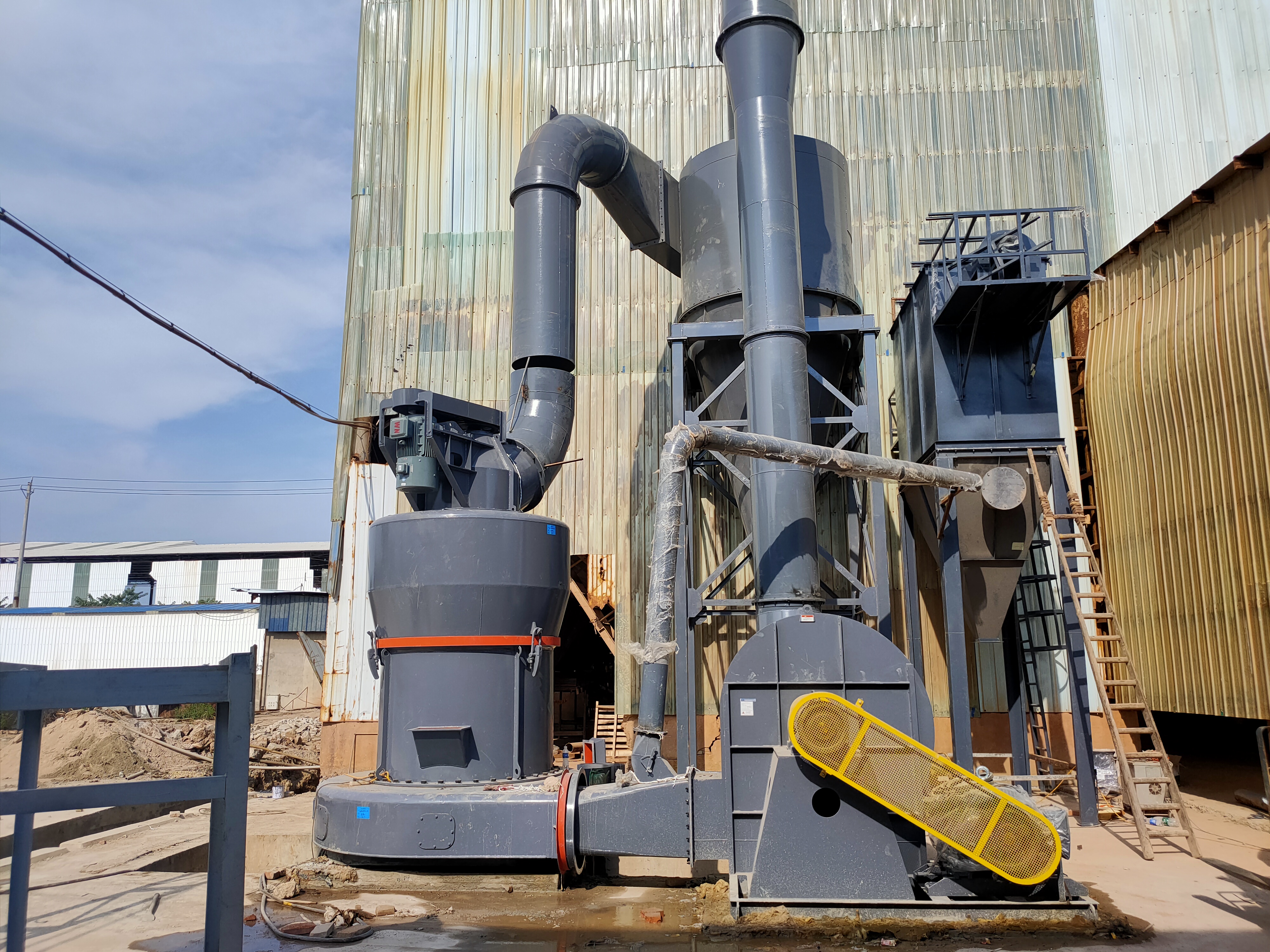
Sand is the life of construction. We need it for roads. We need it for buildings. But natural sand is running out. So we make our own. This is where the machine comes in. In the past we used Hammer crushers. They were okay. But not great. Today we use VSI crushers. SBM makes these. They are the game changers. This article tells you why. It shows the shift from old tools to new tech. You will see the data. You will see the profit.
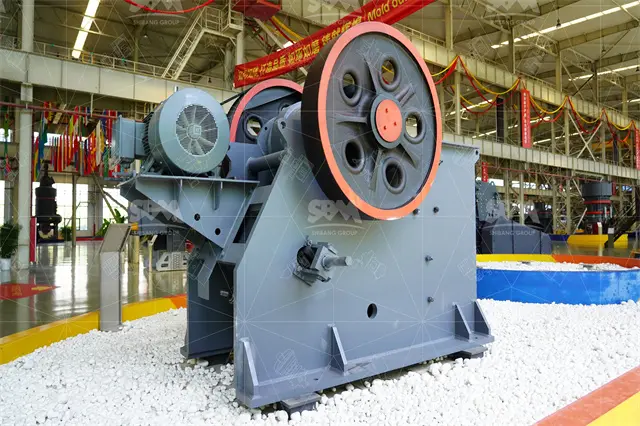
The hammer crusher is simple. A rotor spins. Hammers hang on it. They hit the rock. The rock breaks. It seems easy right? But there are big problems. First is the wear. The hammer hits hard rock directly. If you crush granite the hammer dies fast. Maybe in 2 days. You have to stop. You have to change parts. This costs money. It kills time.
Second is the shape. Concrete needs good sand. It needs round grains. Hammer crushers make flat grains. They look like needles. This is bad for strength. Cement needs more water then. The cost goes up. SBM saw this problem years ago. We knew we had to change. The market demanded better sand. The old way was too expensive to run. It was time for a switch.
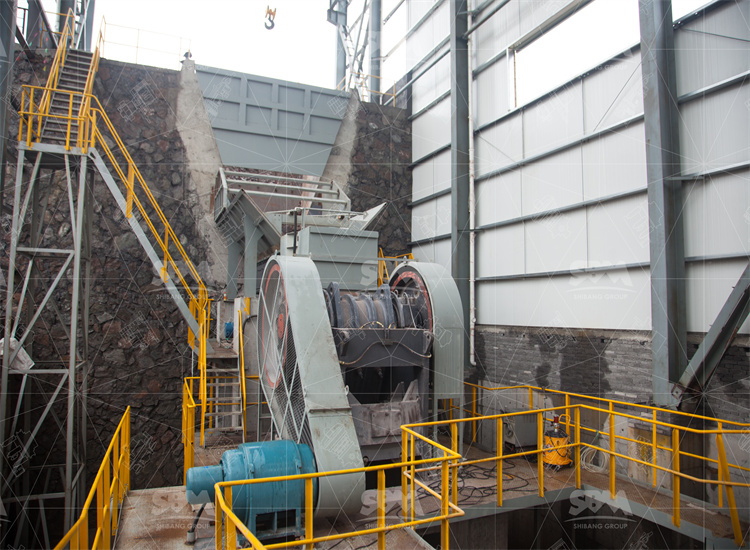
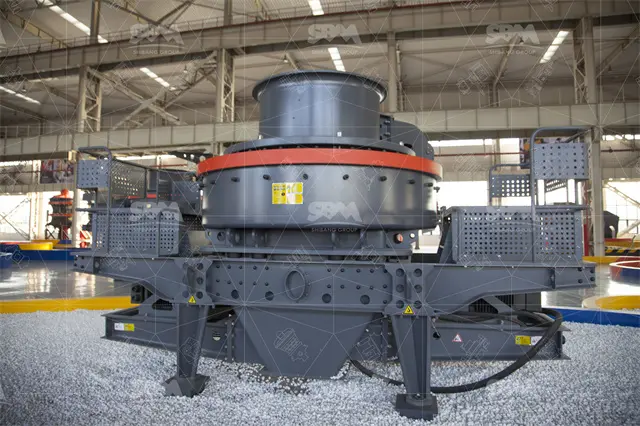
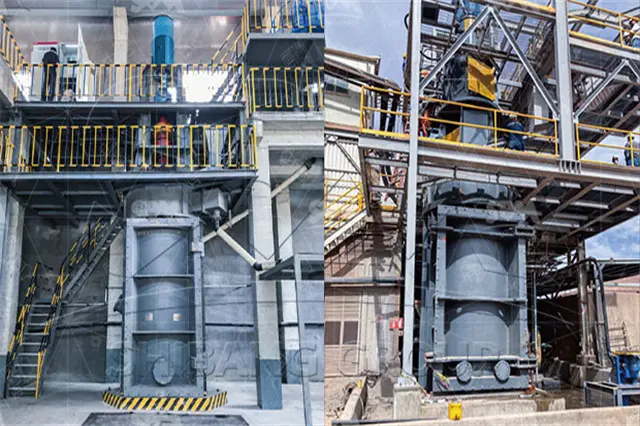
VSI means Vertical Shaft Impact. It is different. It uses a smart trick. It uses “Stone on Stone”. The rock does not just hit iron. The rock hits other rock. The stone feeds into the center. It falls into a spinning rotor. This rotor is fast. The speed is high. It throws the rock out. The rock hits a lining of other rocks. This is the magic.
The rock breaks itself. This saves the metal. The wear parts last longer. Much longer than hammers. SBM uses this in our VSI5X series. The sand comes out round. It is like a cube. This is what you want. The gradation is perfect. The fineness modulus is adjustable. It sits between 2.6 and 3.0 mostly. This is the gold standard.
You buy a machine for numbers. Let’s look at them. The tip speed is key. For SBM VSI it is 60-80 m/s. This speed defines the crush. If it is too slow you get gravel. If it is too fast you get powder. We balance this. The motor power matches the rotor size. We do not waste energy.
We look at the CSS or OSS. In VSI it is about the rotor tip. The clearance matters. The throughput is huge. A big VSI can do 600 tons an hour. A hammer crusher struggles there. We also check the bearing temp. It must stay low. SBM uses Japanese bearings. They run cool. This means less downtime for you. The vibration is monitored too. Smooth running saves the frame.
| Feature | Hammer Crusher | SBM VSI Crusher |
|---|---|---|
| Crushing Principle | Iron hits Stone | Stone hits Stone |
| Wear Cost | High ($1.5/ton) | Low ($0.3/ton) |
| Sand Shape | Flaky / Needle | Cubic / Round |
| Maintenance | Daily welding | Weekly check |
| Noise Level | Very Loud | Lower (sealed) |
This is a common pain. You buy a machine. But the pile is small. Why? Often it is the feed. The stone is too big. A VSI likes small stone. 30mm or 40mm is best. If you feed 60mm efficiency drops. The rotor struggles. The rock bounces out.
Another reason is the moisture. Wet sand sticks. It blocks the rotor ports. SBM advises dry feed. If it rains cover your stockpile. Also check the belt tension. A slipping belt loses speed. Low speed means no crushing. Keep the RPM high. We set this at the factory. Do not change it without asking us. It is precise math.
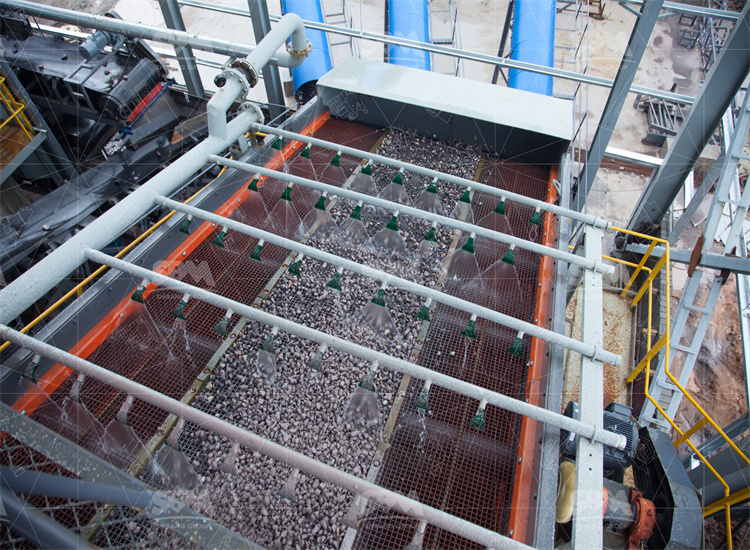
Machines break. It happens. But how often? Hammer crushers break a lot. You change hammers every week. This is labor. This is parts. It adds up. VSI is different. The wear tips are small. They are tungsten carbide. They are hard.
SBM designed a hydraulic cap. You push a button. The lid lifts. You see inside. You change a tip in 10 minutes. You close it. You run. No heavy lifting. No long stops. We calculated this. You save 40% on labor time. That time is production time. Production is cash. We want you to make cash.
Let’s talk real life. A client in Java. He had river stone. It is hard. Very hard. He used a cone crusher before. The shape was bad. He could not sell to road projects. He called SBM. We sent a VSI5X. He put it after the cone.
The result was shock. The shape became perfect cubes. The quantity went up. He produced 200 tons per hour. The wear cost was low. He only changed tips once a month. The river stone is abrasive. But the “Stone on Stone” design handled it. He captured the local concrete market. He bought a second one later.
Another case. This time in Texas. The rock is granite. High silica content. Silica eats metal. The client used an impact crusher. The blow bars wore out in 20 hours. It was a nightmare. He was losing money fast.
SBM proposed a solution. We installed a VSI6X. We optimized the rotor speed. We set it to 70 m/s. The granite broke against granite. The iron was safe. His wear costs dropped by 60%. The sand was clean. He sells it for high-grade asphalt now. He was happy with the install. Our engineers stayed for 3 days. We trained his team. We showed them the tricks.
You worry about price. A VSI costs more than a Hammer crusher initially. This is true. But look at the year. Look at the consumables. The Hammer eats parts. The VSI sips them. The power is also better used. You get more sand per kilowatt.
Return on Investment is fast. Usually 6 months. SBM helps you calculate this. We look at your rock. We look at your power cost. We give you a chart. It shows the break-even point. Do not be scared of the sticker price. Be scared of the operating cost. That is the silent killer. VSI kills that cost.
Installation is key. The base must be flat. Concrete must be cured. Vibration kills a bad base. SBM gives drawings. We give the load data. You pour the cement. We mount the machine. It must be level.
Maintenance is simple now. Grease the bearing. Do it every shift. Check the tips. Flip them if worn. SBM keeps parts in stock. We ship fast. We know downtime hurts. We support you. We are not just selling iron. We sell a factory that runs. We are your partner in this.
It can handle some. Ideally less than 5% water. If it is mud it clogs. The chamber packs up. The motor trips. If your material is wet wash it first. Screen the water out. Then crush it. Dry is always best for VSI.
It depends on the model. Usually 40mm to 50mm. Some special ones take 60mm. Do not feed big rocks. It damages the rotor tips. It causes imbalance. Use a cone crusher first. Step it down. Then make sand.
Check the rotor tips. Are they even? If one is broken it shakes. Like a car tire. Balance is vital. Also check the base bolts. Are they tight? SBM installs a vibration sensor. It warns you. It stops the machine if it gets dangerous. Safety first.
Whatsapp:+8617329420102
Email: [email protected]
Address: No. 1688, Gaoke East Road, Pudong new district, Shanghai, China.
Online Service : Get Price
We value your feedback! Please complete the form below so that we can tailor our services to your specific needs.