You work hard at the mine. You dig tons of ore. You process it day and night. But the final gold bar is disappointing. The purity is low. Maybe it is 80% or less. This hurts your wallet. Buyers pay less for dirty gold. You loose money on refining fees. Why does this happen. It is usually a process problem. Or it is an equipment setting issue. Let’s look at the real reasons. We will fix your gold purity today.
Gold particles are tiny. They hide inside rock. This is called “locking”. You must break the rock to free the gold. If rock is too big, chemicals cannot touch the gold. This is poor liberation. It starts with your crusher.
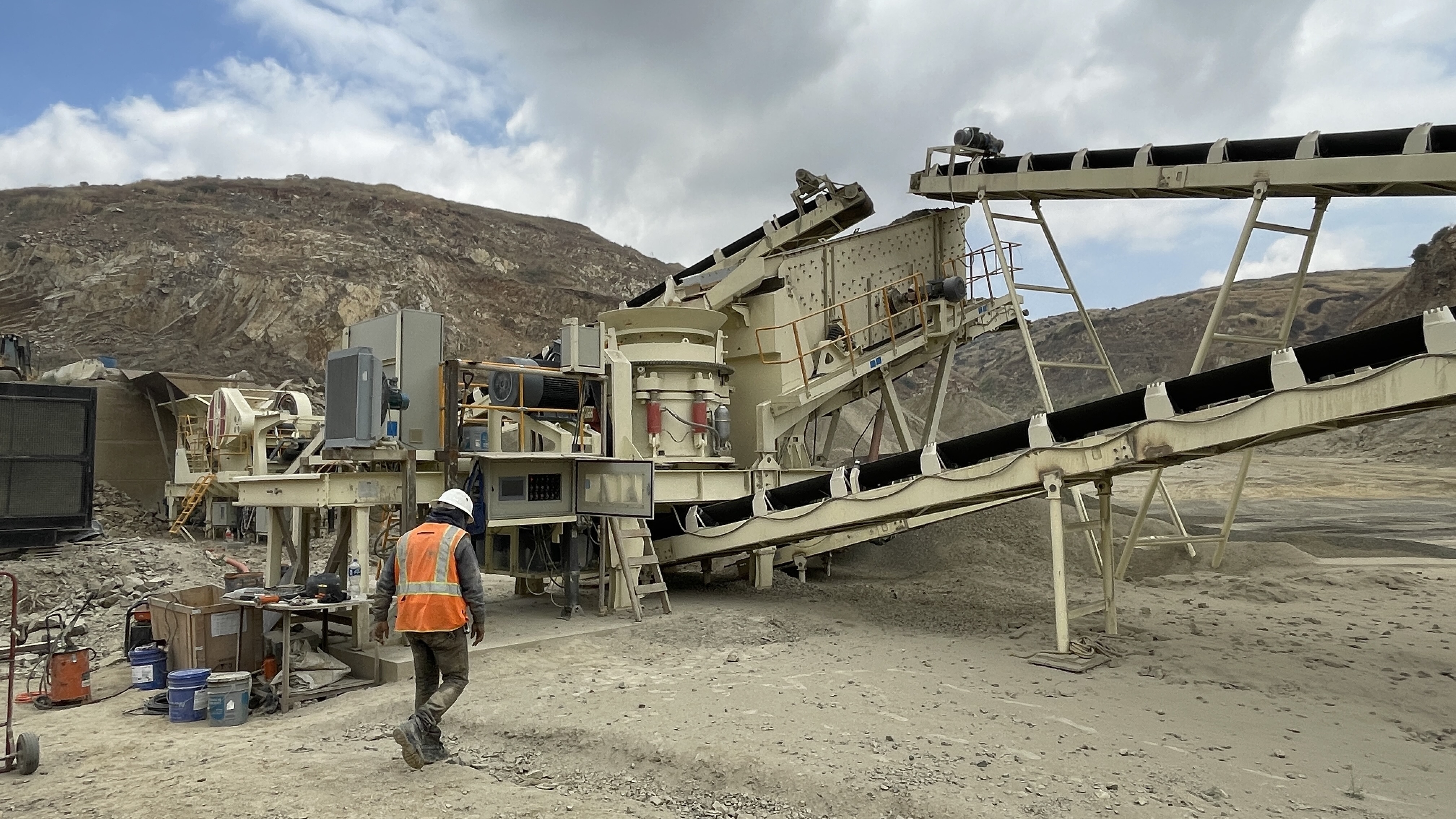
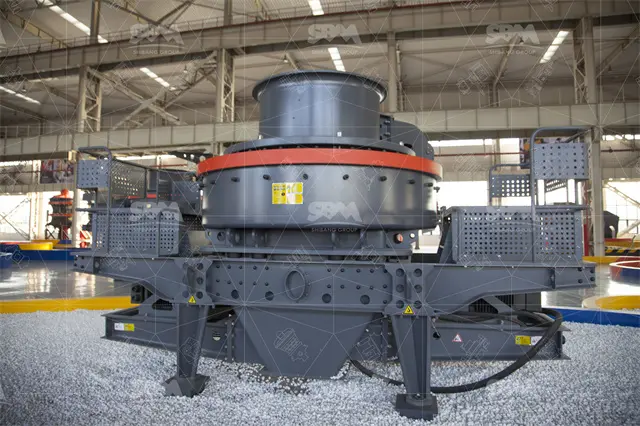
Many mines use old jaw crushers. They set the OSS (Open Side Setting) too wide. This makes big rocks. The secondary cone crusher struggles. You need a hydraulic cone crusher. It is better for hard rock. Look at the CSS (Closed Side Setting). It determines output size.
For gold ore, a CSS of 10mm-12mm is good. Why. Because it creates micro-cracks. These cracks help the ball mill later. If your CSS is 20mm, the rock is too hard for the mill. The gold stays locked. Impurities stay attached. Your dore bar gets dirty.
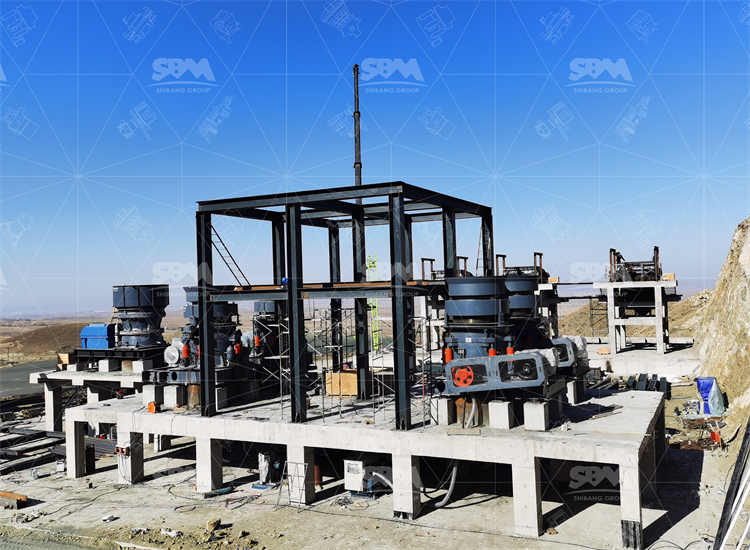
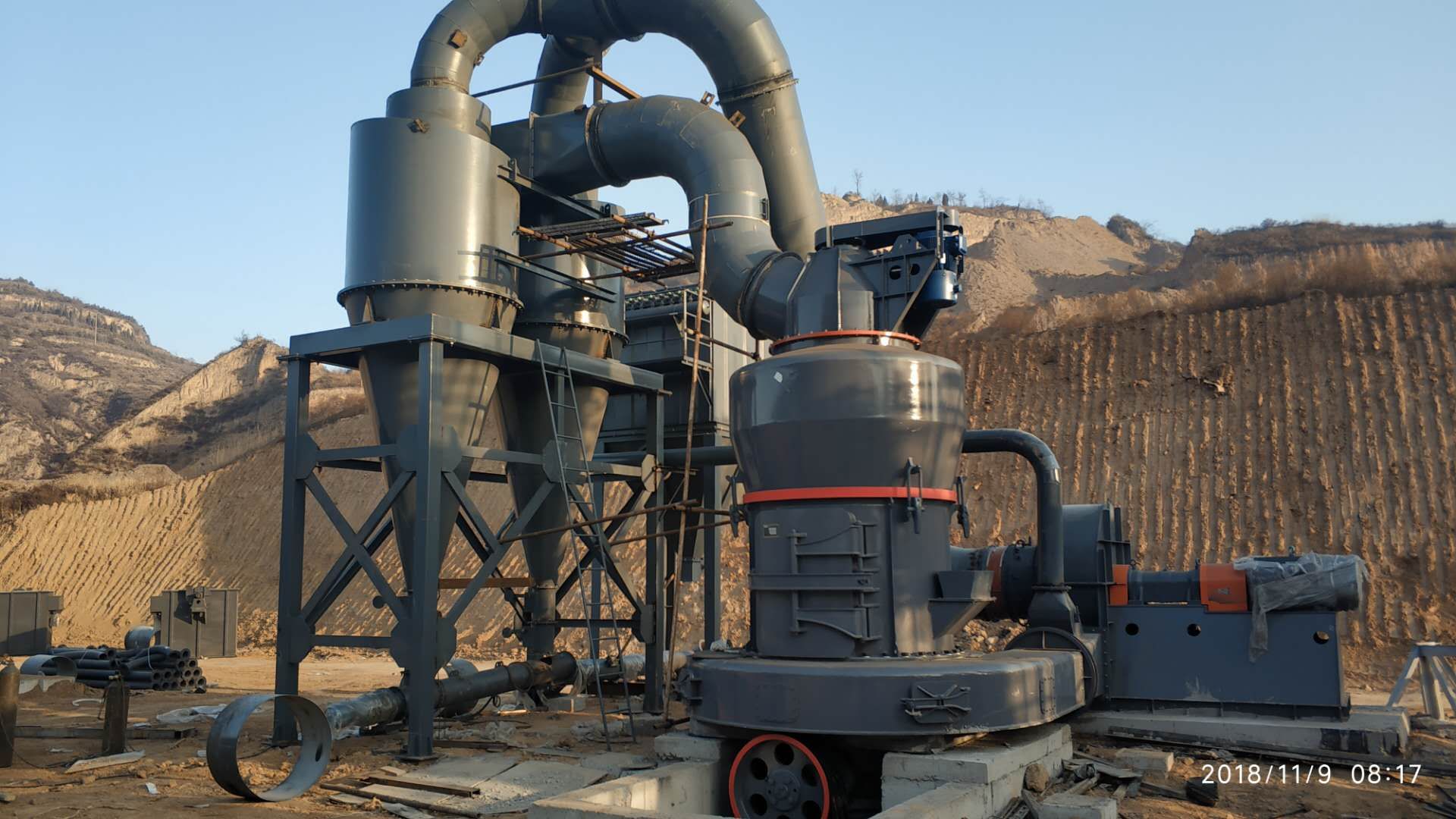
Crushed rock goes to the ball mill. This is the stomach of the plant. It digests the rock. The goal is “monomer dissociation”. This means gold separates from waste. The target is usually 200 mesh (74 microns). 80% to 90% of ore should pass this screen.
If you grind too coarse, say 60% passing 200 mesh, you fail. The cyanide cannot reach the gold center. You melt rock with gold later. This lowers purity. But don’t grind too fine. This causes “slime”. Slime covers gold. It stops reaction.
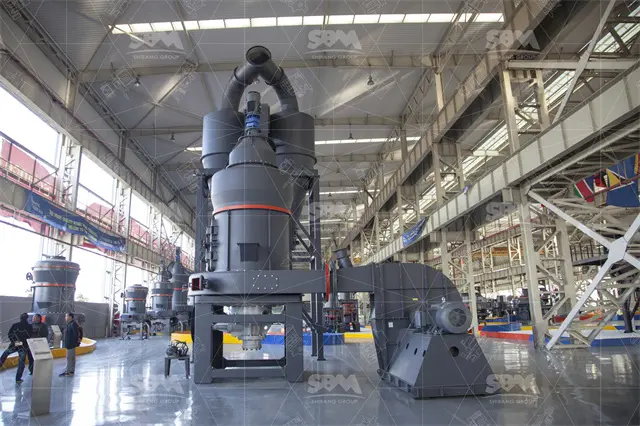
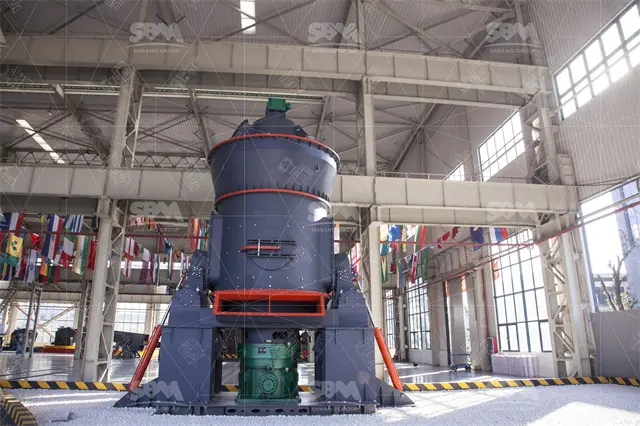
Check your ball mill speed. It should be 75-80% of critical speed. SBM engineers often check this. Also check steel ball filling. A 40% filling rate is standard. If balls are worn, they don’t hit hard. They just rub. This wastes power. It creates bad grind size.
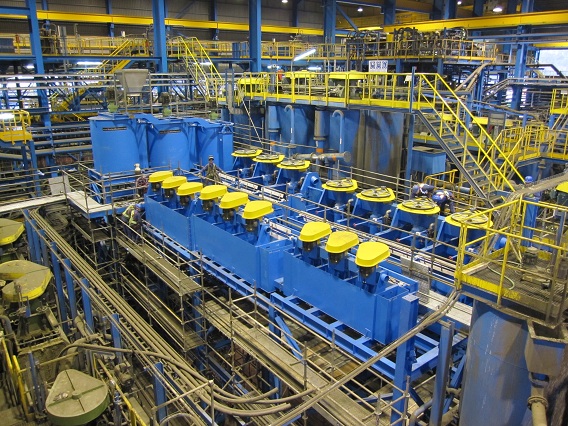
Water balance is key. In the leaching tank, density matters. If slurry is too thick, carbon cannot move. It floats or sinks. It does not catch gold. If slurry is too thin, you waste tank space. You lose reaction time.
Standard density is 40-45% solids. You need a densimeter to check this. Low density often comes from bad cyclone settings. The hydrocyclone separates sand and water. If the spigot is worn, too much water goes to tanks. This dilutes cyanide. The reaction slows down. Impurities like copper dissolve instead. Copper in your gold bar is bad. It turns the bar red or black.
This is the final step. You have gold sludge. You put it in the furnace. You must add flux. Flux eats impurities. Common fluxes are Borax, Silica, and Soda Ash. They make slag.
If your bar is brittle, you have lead or iron. You need more Silica. If the slag is sticky, you need Borax. Many operators guess the amount. This is wrong. You must test sludge first. Calculate the mix. A bad mix leaves metal in the gold. The bar looks dull. The purity drops.
| Parameter | Standard Range | Why It Matters |
|---|---|---|
| Crusher CSS | 10mm – 12mm | Prepares rock for milling efficiency |
| Grinding Size | 80% – 90% < 74μm | Exposes gold surface to cyanide |
| Leaching Density | 40% – 45% Solids | Ensures proper carbon suspension |
| Carbon Activity | > 95% | Adsorbs gold effectively |
| Electrolysis Temp | 150°C (High Pressure) | Strips gold fast and clean |
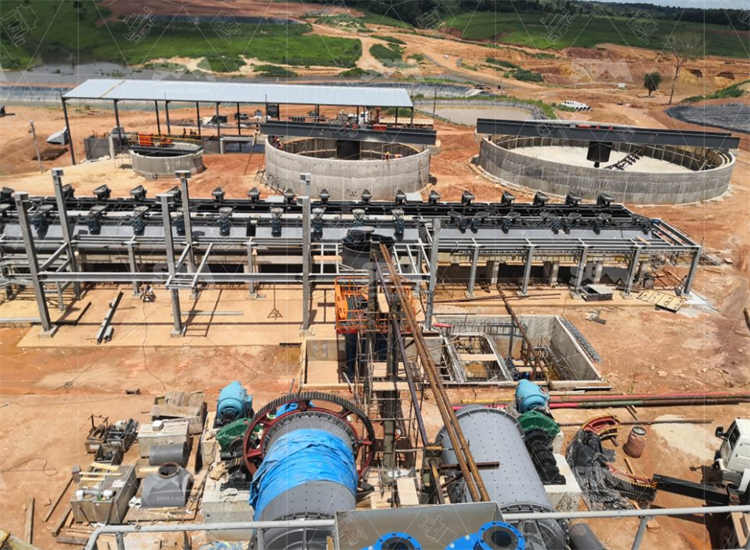
We helped a client in Zimbabwe. It was a 500 ton per day plant. The ore was tough. It had Arsenic and Sulfur. Their old plant produced 65% purity bars. They were losing huge money. The buyer penalized them. They called SBM .
We analyzed the ore. The gold was wrapped in pyrite. The old ball mill was weak. It did not grind fine enough. The liberation was only 60%. Also, they used no pre-treatment. The sulfur ate the oxygen. The gold did not dissolve.
SBM changed the design. We installed a Grid Ball Mill. We matched a 280kW motor. This was strong. We added a pre-aeration tank. This killed the sulfur appetite. We adjusted the cyclone to return coarse sand. The grind size hit 92% passing 200 mesh.
The result. The first pour was shocked. The bar was bright yellow. Purity hit 93%. The client manager said, “SBM saved our mine. The maintenance is easy too.” They paid back the investment in 6 months.
Another project was in Tanzania. It was soft oxide ore. Capacity was 1200 tons daily. Their problem was clay. The clay made slime. The slime coated the gold. Their purity was okay, 85%, but recovery was low. Gold went to the tailing dam.
We checked the washing system. It was missing. We added a SBM Double Spiral Classifier. It washed the clay away. We also changed the leaching tank impellers. We used double impellers. This mixed air better.
The carbon could now touch the gold. We also used the Desorption Electrolysis System. It works at high temp (150°C) and pressure (0.5MPa). It strips gold in 12 hours. Not 24 hours. This is fast. The final purity reached 98%. The client was happy. He said, “The system runs itself. Very stable.”
Many mines use simple fire stripping. This is slow. It leaves gold on the carbon. You burn carbon and loose money. A modern system is better. The Desorption Electrolysis system is key. It circulates hot cyanide.
The standard temp is usually 90°C. But SBM uses a high-pressure system. We go to 150°C. Why. Because heat speeds up chemistry. The pressure keeps water liquid. The gold strips off the carbon fast. It plates onto the steel wool.
If your voltage is low, plating fails. Keep voltage at 3.5V to 4.0V. Keep current density steady. This produces high-grade gold mud. High-grade mud means less flux is needed. Less flux means higher bar purity. It is a chain reaction.
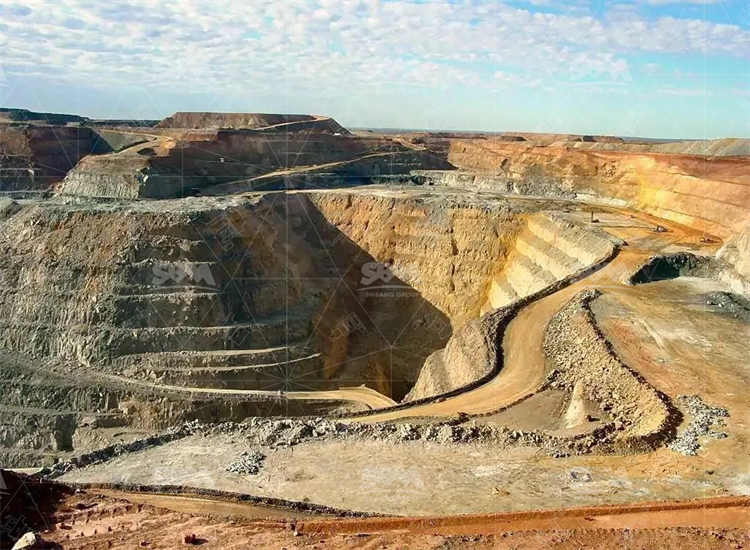
Machines get tired. You must check them. For crushers, check the liner wear. Measure the gap weekly. If the gap grows, output gets big. Tighten it.
For ball mills, check the oil pressure. The main bearing needs oil. Low pressure burns bearings. That is a 2-week shutdown. You don’t want that. Also, add steel balls daily. Don’t dump them all in once a week. Stable weight means stable grind.
Clean your carbon screens. If screens clog, carbon flows out. You loose gold carrying carbon. This is a disaster. SBM screens use wedge wire. They don’t clog easily. But you must still wash them with acid sometimes. Calcium builds up. Acid kills calcium.
Question 1: Why is my gold bar black or red?
Answer: This is base metal contamination. Red usually means Copper. Black can be Iron or Sulfides. Your leaching is dissolving these metals. Or your flux mix is wrong. Adjust cyanide strength. Add more Silica to your smelt.
Question 2: How often should I add balls to the mill?
Answer: Add them every shift or every day. Do not wait. Calculate consumption per ton. Usually, it is 0.8kg to 1.5kg per ton of ore. Weigh the balls. Throw them in. This keeps power steady.
Question 3: Can I increase capacity by speeding up the belt?
Answer: Be careful. Faster belts mean more rock. But can the mill eat it? If you overfeed, the mill “vomits”. It blocks up. The grind gets coarse. Recovery drops. Only increase if your mill power allows it.
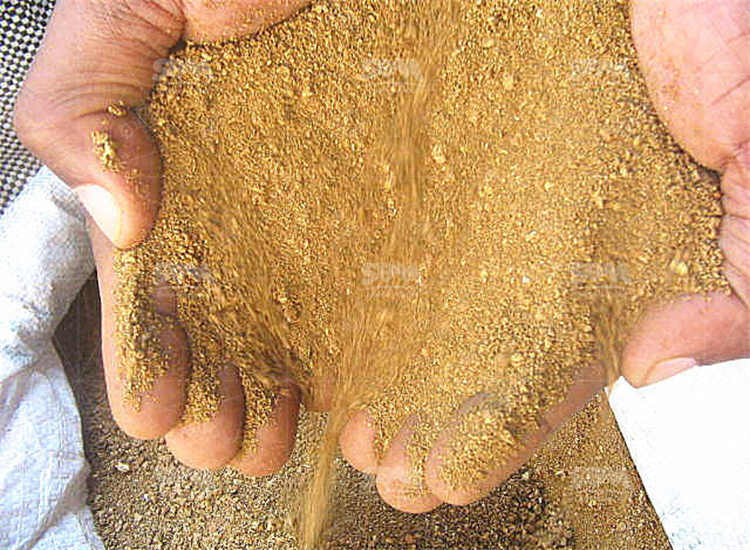
Low purity is not bad luck. It is science. It is bad grinding, lazy chemistry, or poor smelting. You must measure everything. Measure the rock size. Measure the density. Measure the temperature.
Don’t buy cheap machines. They lie about specs. A weak motor cannot grind hard rock. A thin tank leaks. Choose SBM for real quality. We have 30 years of fighting tough ore. We know the secrets. We design. We build. We install.
If you want 99% purity, you need a system. Not just a machine. Check your process today. Look at the data. If it looks wrong, call us. We fix mines. We make gold pure again.
Whatsapp:+8617329420102
Email: [email protected]
Address: No. 1688, Gaoke East Road, Pudong new district, Shanghai, China.
Online Service : Get Price
We value your feedback! Please complete the form below so that we can tailor our services to your specific needs.