Every miner wants a perfect plant. You want clean ore. You want high value. But designing a washing plant is hard. Many people make mistakes. These mistakes cost money. They waste time. I have seen this many times. I work for SBM. We help miners fix these problems. Today I will share 7 mistakes. I will tell you how to avoid them. This advice is from experience. It is simple to understand.
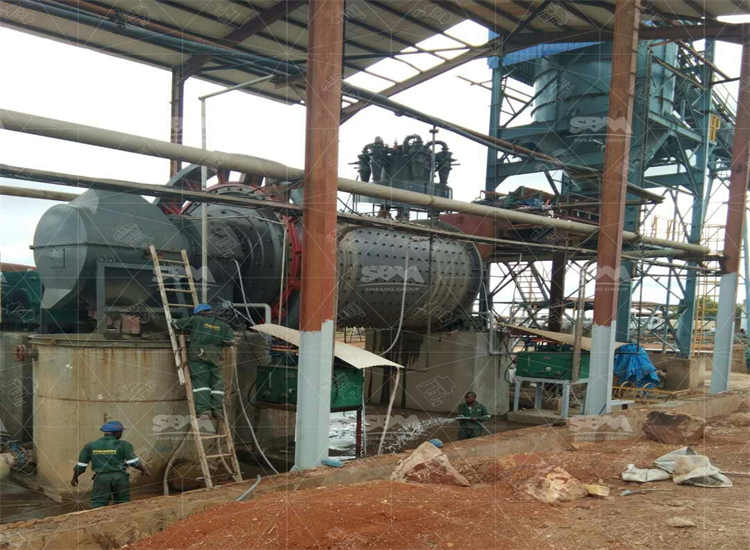
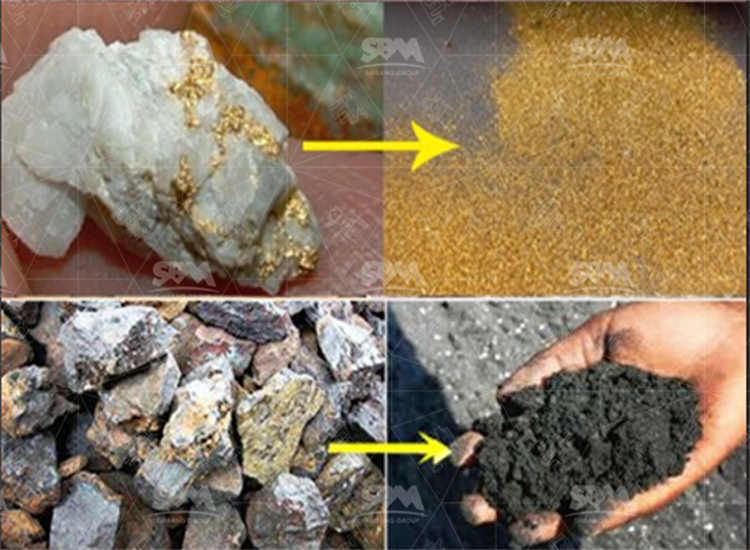
This is the biggest mistake. Many miners just look at rocks. They forget the dirt. Clay is sticky. It acts like glue. It traps your gold or minerals. If you do not wash it well? You lose money. Simple as that. You must know your material. Is it 10% clay? Is it 40% clay? The machine choice changes.
The Solution: Use an Attrition Scrubber.
An attrition scrubber is a strong machine. It has propellers inside. They spin fast. The sand rubs against sand. This is called “scrubbing.” It cleans the surface.
Key Technical Details:
The principle is friction. Particles hit each other. The power is high. Solid density: You need 70-75% solids. Why? To make them rub harder. Retention time: 2 to 5 minutes. Why? To ensure clay dissolves. Impeller speed: It must be fast. Usually 8-10 m/s tip speed.
If you have high clay do not use a simple screen. It is not enough. The screen will block. The water will not clean it. You need force. SBM engineers calculate this force.
Water is liquid gold in mining. A washing plant needs much water. Some designs waste it. They pump fresh water always. This is expensive. Also it is bad for nature. You must recycle. If you do not plan the balance? Your pond overflows. Or your pump runs dry.
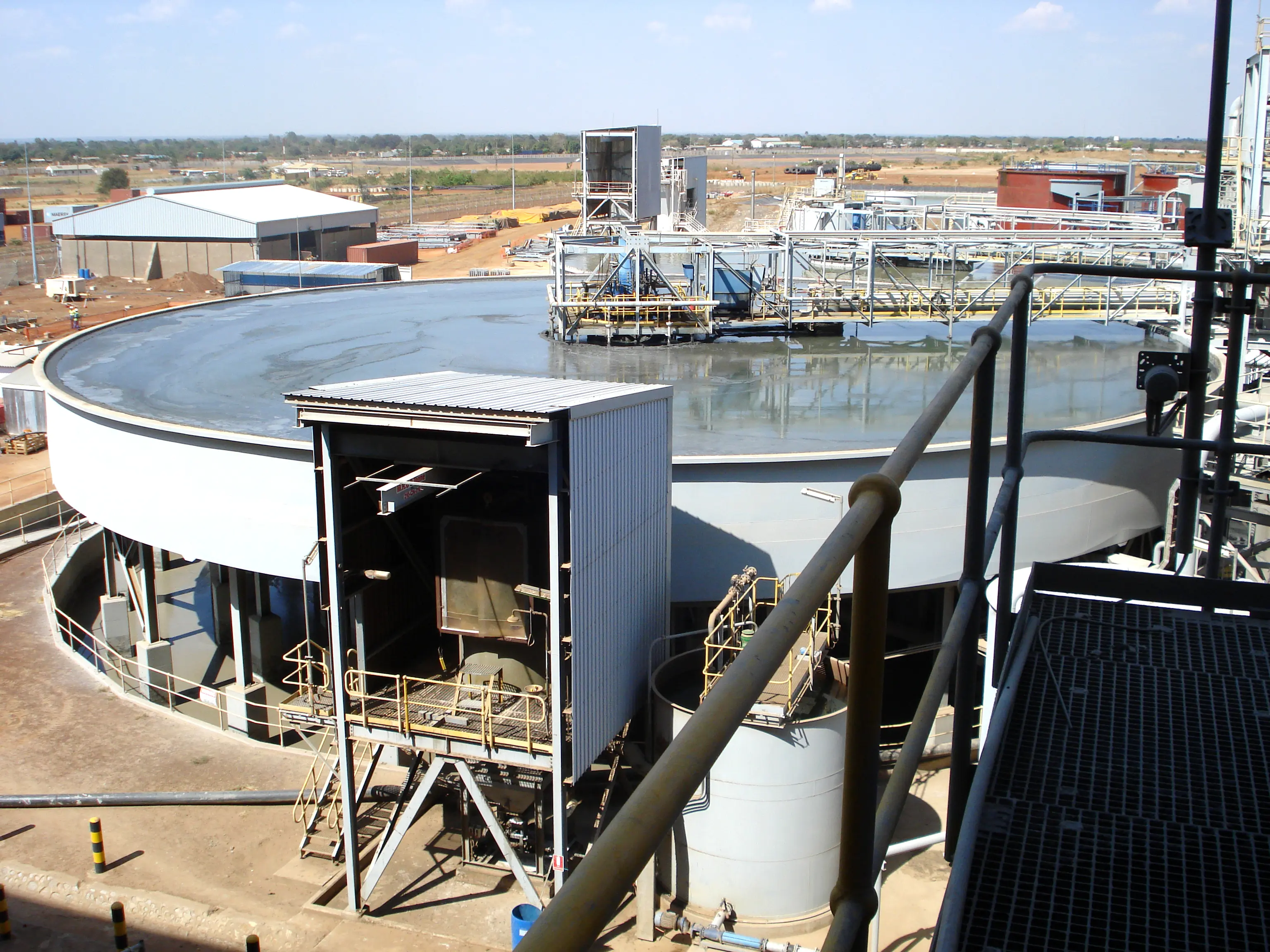
The Solution: High-Efficiency Thickeners.
You need a thickener. It separates mud from water. The clean water goes back. The mud goes to the dam. Settling Rate: We test how fast mud falls. Flocculant: This is a chemical. It makes mud stick together. Underflow Density: This should be 50-60%. Why? To save more water.
| Equipment Type | Water Usage (m3/h) | Recycle Rate |
|---|---|---|
| Standard Screen | 150 – 200 | 0% (without system) |
| SBM System | 20 – 30 | 85% – 90% |
So plan your pipes. Plan your pumps. Calculate the flow. Do not guess. Guessing is dangerous.
Screens sort the rocks. They separate big from small. But many pick the wrong hole size. Or they pick the wrong wire thickness. If the wire is too thick? The open area is small. The water cannot pass. If the wire is too thin? It breaks fast. You stop production. This is bad.
Technical Focus: Vibrating Screen Dynamics.
The screen moves. It shakes the rock. Amplitude: This is how far it moves. Usually 5mm to 9mm. Why? To throw the rock up. Frequency: This is how fast it shakes. Usually 800-900 RPM. Inclination: The angle is key. 15 to 20 degrees is normal. Why? Gravity helps flow.
We check the “Cut Point.” This is the size where separation happens. It must be precise. SBM uses wear-resistant mesh. It lasts longer. It saves you money.
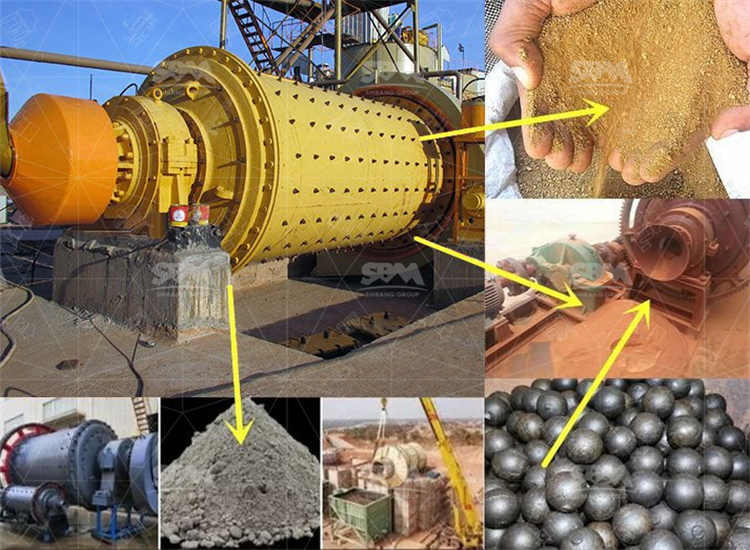
This is a silent killer. You wash the sand. The dirty water flows away. But wait. Is there gold in that water? Is there fine sand? Often the answer is yes. You are throwing away profit. The overflow is not just waste. It carries value. Don’t ignore the fines.
The Solution: Hydrocyclones.
A cyclone has no moving parts. It uses pressure. Water spins inside. Heavy sand goes down. Light water goes up. Pressure Drop: Usually 10-20 psi. Why? To create spin. Vortex Finder: This tube controls the cut. Spigot: The bottom hole. If it is too big? Too much water comes out.
We use cyclones to recover sand. We can catch grains as small as 45 microns. This adds 10% to your yield. That is pure profit.
Let me tell you a story. A client in Tanzania had a problem. He had a gold mine. The ore was very sticky. It was red clay. He used a simple sluice box. He lost 40% of his gold. The clay balls rolled away. They took the gold with them. He was sad. He called SBM.
Our Design: Heavy Duty Trommel Scrubber: We installed a big drum. It had chains inside. It broke the clay.
Centrifugal Concentrator: For the fine gold.
Dewatering Screen: To dry the sand.
The Result: The clay dissolved. The gold was free. His recovery went from 60% to 95%. He paid for the machine in 3 months. He said the installation was easy. Our team helped him. He liked the sturdy steel. He liked the simple buttons. “SBM saved my mine” he said.
Designers work on computers. The screen looks clean. But the real world is dirty. Machines break. Parts wear out. You need to change them. A common mistake is putting machines too close. There is no room for a crane. There is no room for a man. How do you change a pump? You can’t.
Practical Advice: Leave 1.5 meters between machines. Why? For walking.
Put pumps on the side. Not under the tank.
Add lifting hooks. Heavy parts need help.
If you cannot fix it fast you lose time. Downtime is the enemy. SBM designs usually focus on access. We think about the mechanic.

Pumps move the slurry. Slurry is heavy. It is not water. It is rocks and water. It eats metal. Many buy water pumps. This is wrong. Water pumps burn out. They clog. They die in a week. You need a slurry pump.
Technical Specs for Slurry Pumps: Material: High Chrome Alloy (Cr26). Why? It is hard. It resists scratching. Impeller Type: Open or Closed. For big rocks use open. Motor Power: You must calculate head. Head is vertical height + friction.
If the pipe is 100 meters long friction is high. You need more power. We calculate the “System Curve.” We match the pump to the curve. This saves electricity. It prevents clogs.
Another example. A client in Vietnam wanted glass sand. The sand had iron. It was yellow. Glass needs white sand. He tried washing. It stayed yellow. The problem was the coating. Iron was stuck to the sand.
SBM Solution: We used a strong attrition scrubber. We added acid. The scrubbing removed the iron skin. Then we used a magnetic separator. Feed: 50 tons per hour. Iron Content: Started at 0.5%. Final Iron: Ended at 0.08%. The sand became white. He sold it for glass. The price was double. The client praised our service. He said maintenance is low. The liners last 1 year.
You think you know the ore. But ore changes. A sample from the surface is different. A sample from deep is different. If you design for surface ore? The deep ore will fail. You cannot guess. You must test.
What is a Pilot Test? We take 50kg of your rock. We run it in a small lab.
We check settling speed.
We check washability.
We check grade.
This data is real. It is not theory. We use this to pick the machine. It costs a little money. But it saves huge money later. Do not skip this step. SBM has a big lab. We test for you.
Answer: It depends on the size. A small plant (50 tons) needs maybe 100kW. A big plant needs more. The scrubber uses much power. The pumps use much power. You must have a good generator. Or a good grid connection. We can calculate the total load for you. We give you a list.
Answer: This varies. If rocks are sharp it is fast. Maybe 1 month. If rocks are round it is slow. Maybe 3 months. Polyurethane (PU) mesh lasts longer. Steel mesh is cheaper but wears fast. We suggest PU for sand. It is worth the cost. Always keep spares in stock.
Answer: Yes you can. But machines need rest. We suggest 20 hours run. 4 hours maintenance. You need to grease bearings. You need to check bolts. If you run non-stop something will break. Planned stops are better than surprise stops. SBM machines are built for heavy duty.
Designing a plant is a puzzle. You fit pieces together. Water. Rock. Clay. Power. If you miss one piece the picture is bad. Do not make these 7 mistakes. Handle the clay. Save the water. Pick the right pump. Test your ore.
SBM has 30 years of history. We have seen it all. We help you design. We help you install. We train your workers. A good plant prints money. A bad plant burns money. Make the right choice. Trust experience.
Whatsapp:+8617329420102
Email: [email protected]
Address: No. 1688, Gaoke East Road, Pudong new district, Shanghai, China.
Online Service : Get Price
We value your feedback! Please complete the form below so that we can tailor our services to your specific needs.