Crushing volcanic rock is tough work. This stone is hard and strong. It wears down metal parts fast. You need the right tools to do the job. If you pick the wrong machine, you lose money. This guide helps you choose. We look at SBM machines. We look at real data. We show you how to win.
Volcanic rock includes basalt and rhyolite. It comes from lava. It cools down fast. This makes it very dense. It has a high Compressive Strength. This is often over 200 MPa. It also has high silica. Silica cuts metal like glass.
We look at the Bond Work Index. This measures how much power you need. For basalt, it is high. It is usually 16 to 22 kWh/t. Reference data from Minerals Engineering shows this. You need a strong motor. You need heavy steel. Normal machines will break.
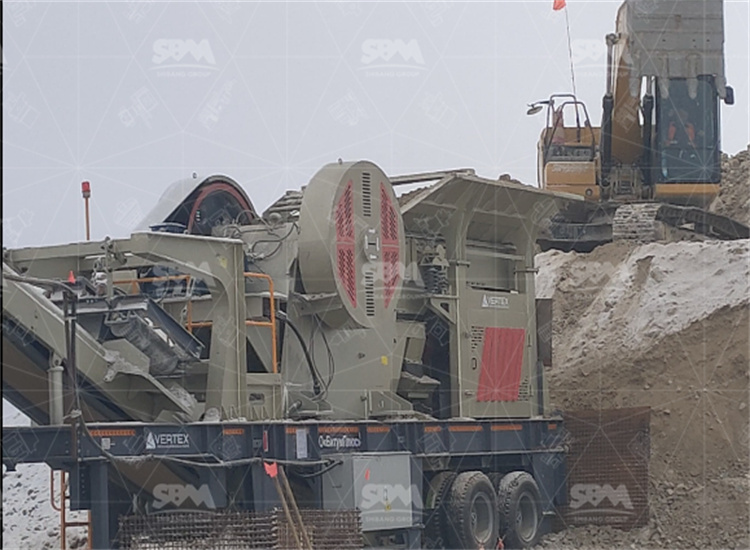
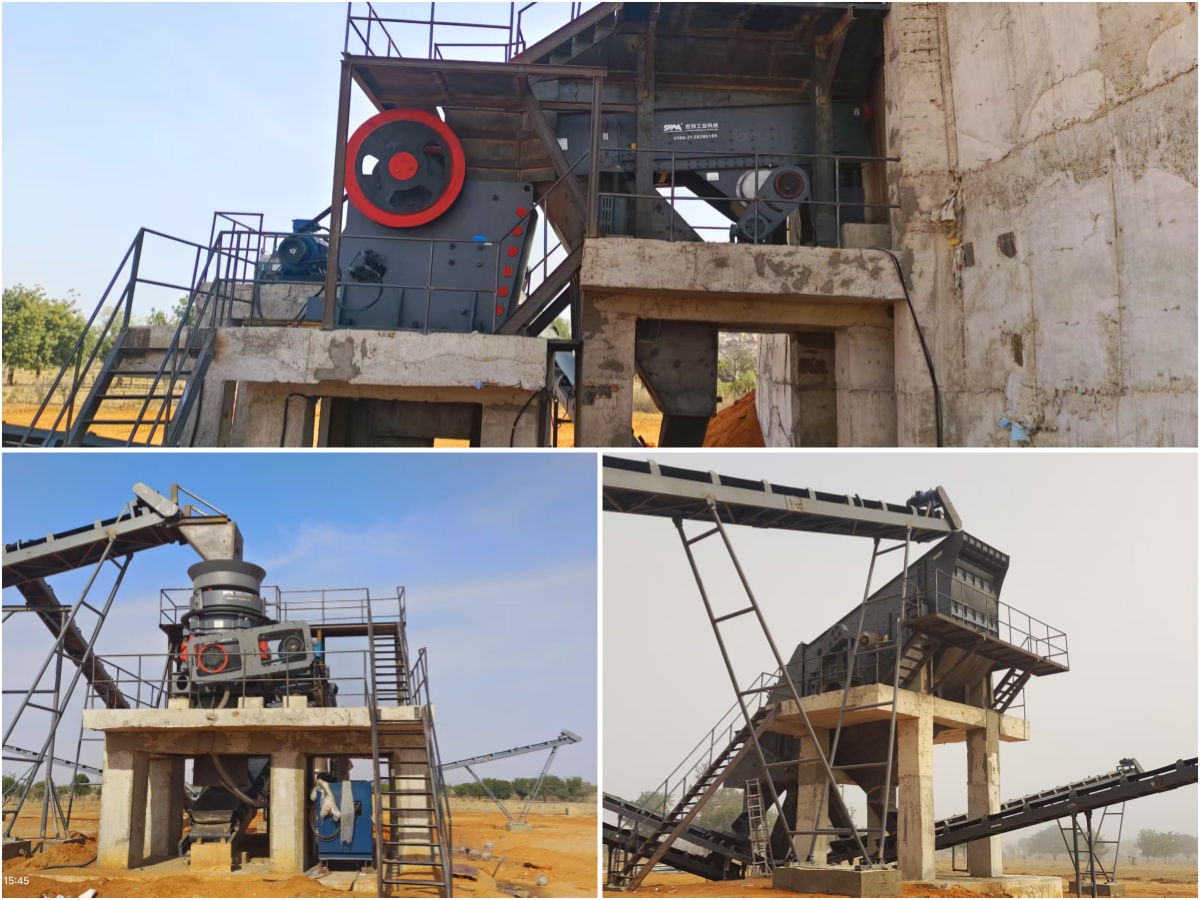
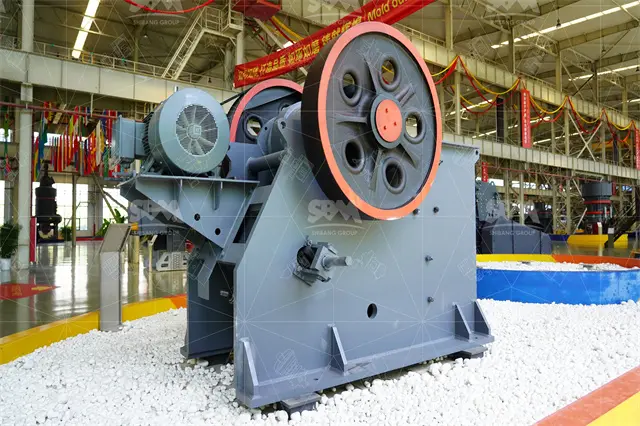
The first step is big rocks. You need a Jaw Crusher. We recommend the SBM C6X series. It is strong. It uses a toggle plate design. The motor spins a flywheel. The flywheel moves the jaw.
How it works:
The rock falls into the V-shape cavity. The moving jaw pushes the rock. It squeezes it against the fixed jaw. The rock breaks. It falls down. This repeats until it leaves the bottom.
Key Specs:
We look at the Reduction Ratio. This is the feed size divided by output size. For C6X, it is about 4:1 to 6:1. This is good efficiency.
You must set the CSS. CSS stands for Closed Side Setting. This is the smallest gap at the bottom. It decides the product size. For hard rock, keep CSS tight. But do not overload the motor.
This is a big pain point. Volcanic rock is abrasive. Users often ask, “Why do I change parts every week?” The cost is high. The downtime is worse.
The Solution:
You must use high manganese steel. SBM uses Mn18Cr2. This is stronger than Mn13. It gets harder as it works. We call this work-hardening.
Also, check the feed angle. If the rock slides, it cuts the metal. If it squeezes, it breaks. A deep cavity helps. It keeps the rock in place. This reduces sliding wear. The life of parts goes up by 30%.
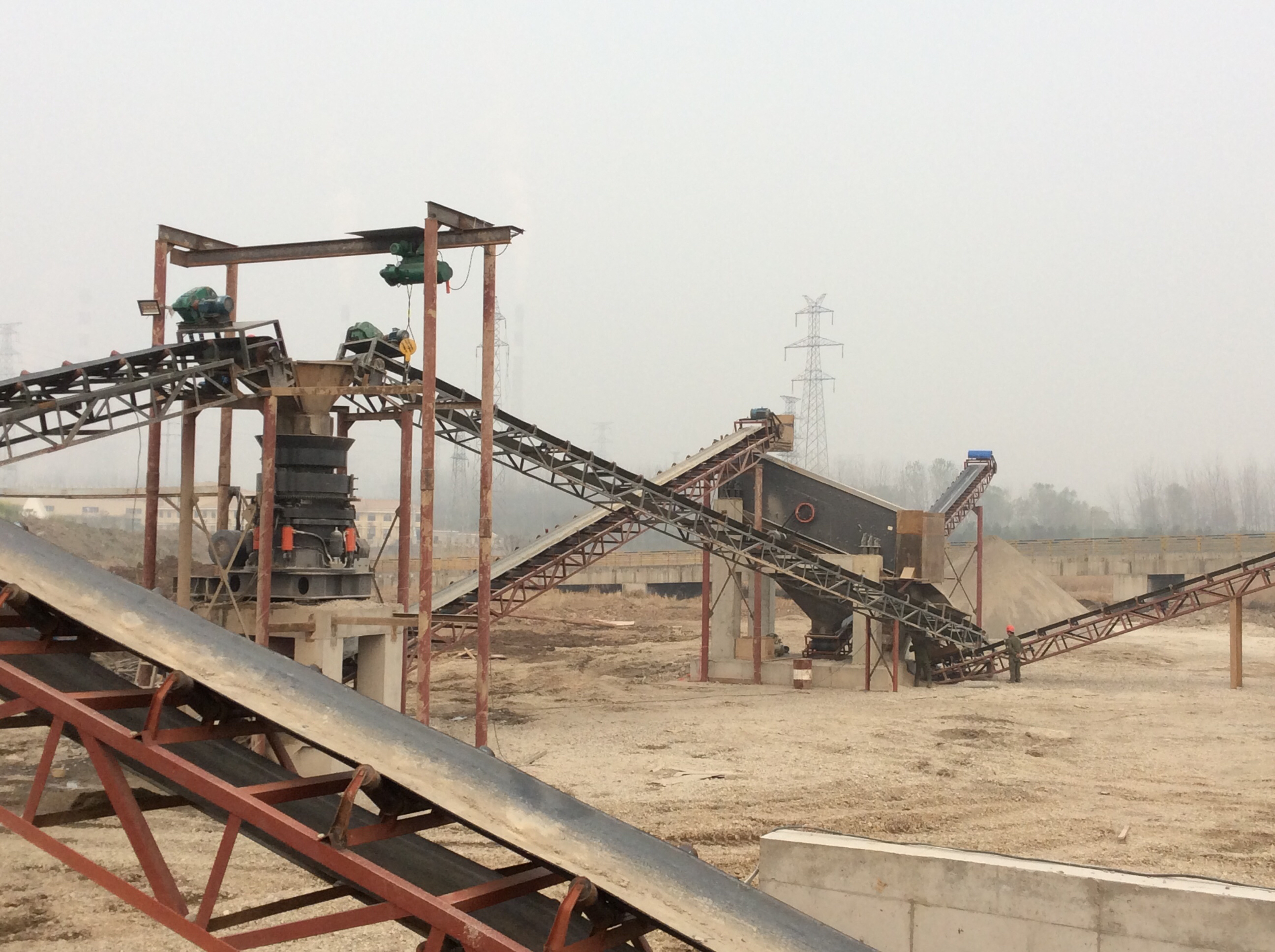
After the jaw, you need a cone crusher. This makes stones smaller. SBM HST or HPT series is best. Do not use an impact crusher here. Impact crushers use blow bars. Volcanic rock will destroy blow bars in one day.
Why Hydraulic?
Hydraulic systems are smart. They protect the machine. If iron enters, the system opens. The iron falls out. The machine does not break.
Lamination Principle:
This is important. The crushing chamber is full. Rocks squeeze other rocks. We call this “stone on stone” crushing. It makes a good shape. The shape is like a cube. Concrete needs cube stones. It does not want flat stones.
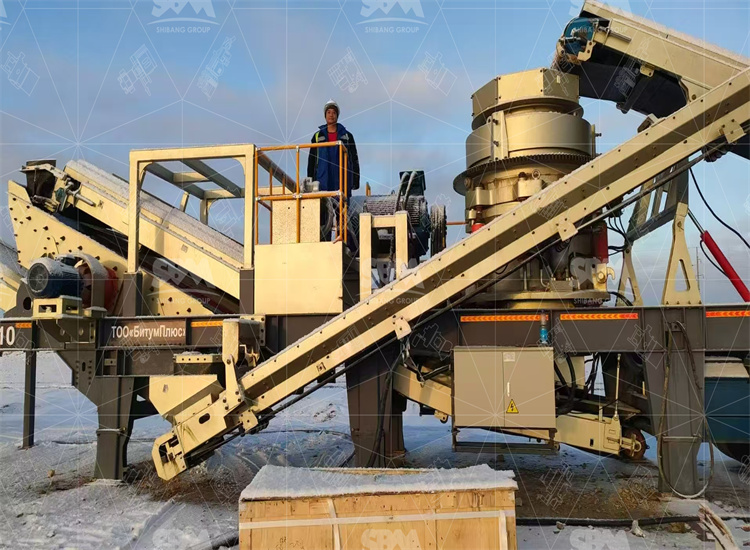
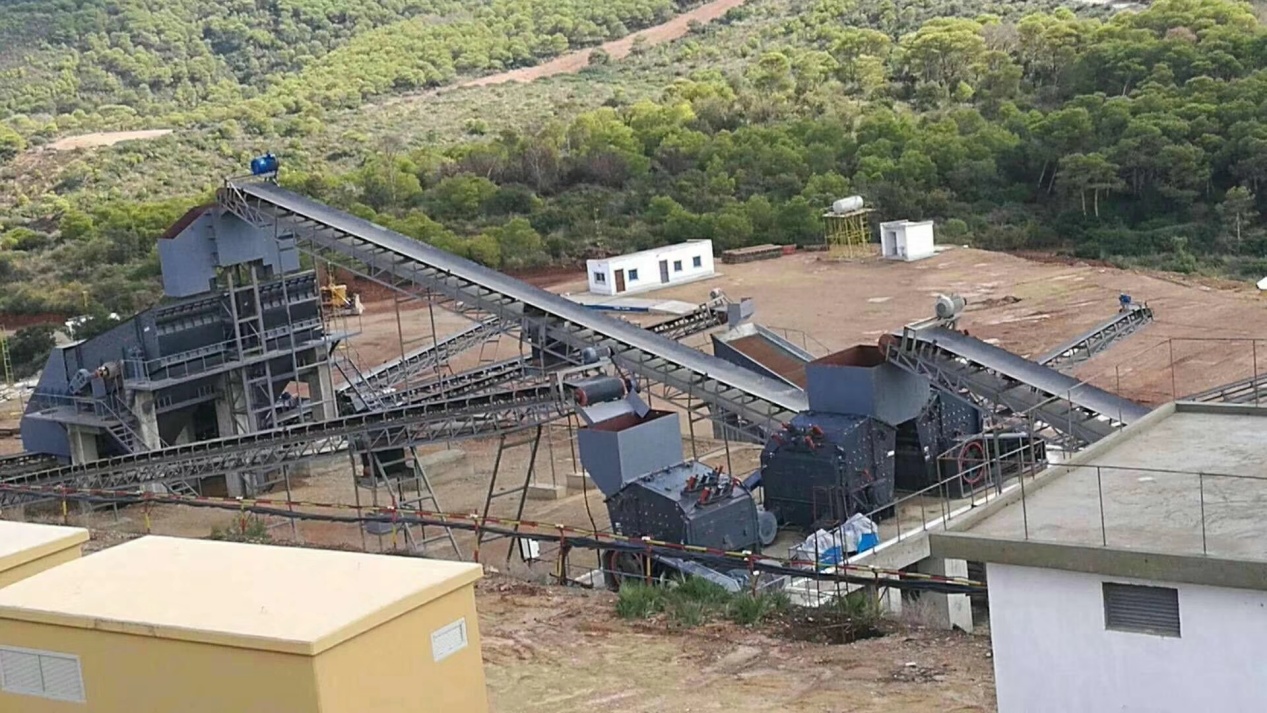
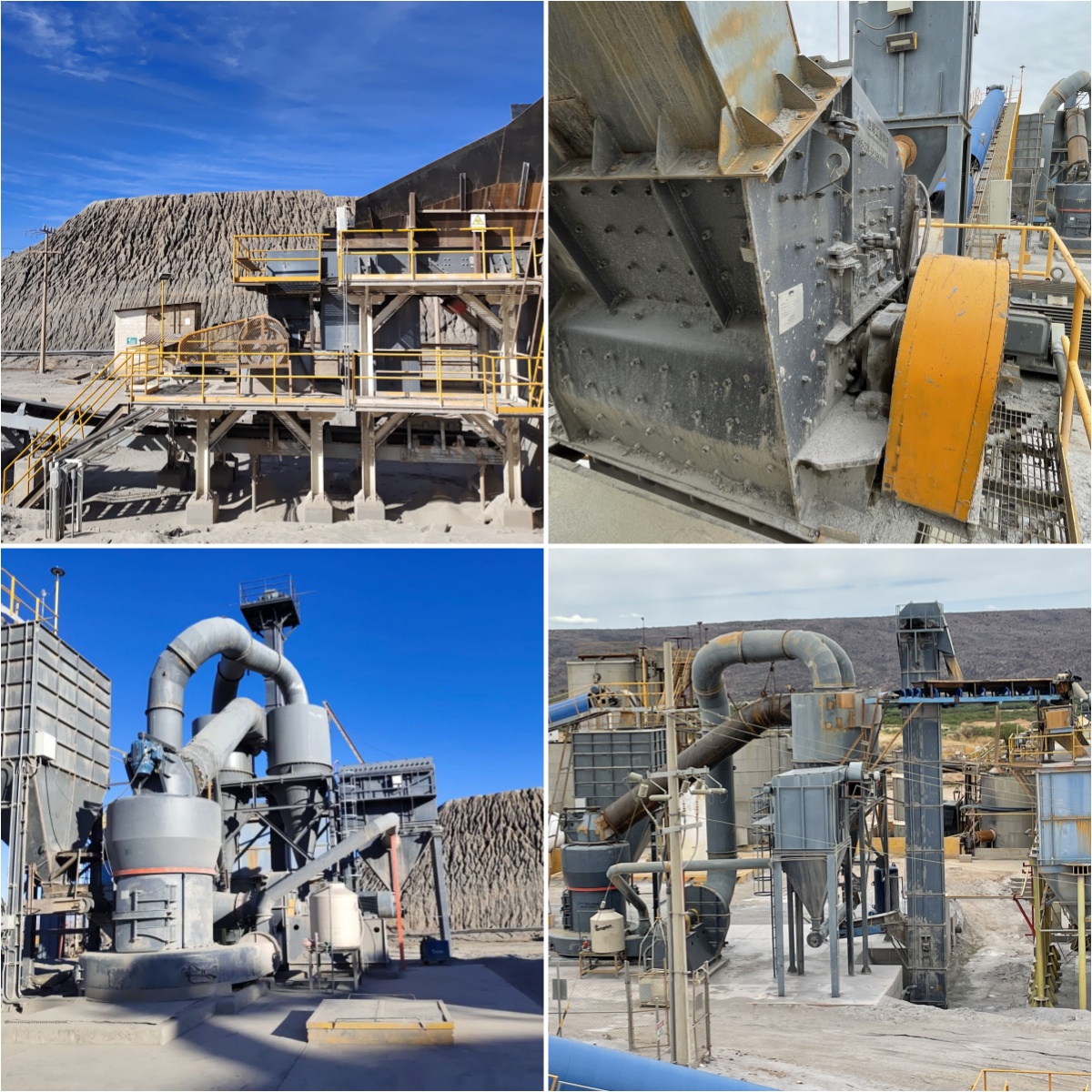
We built a plant in Mexico. The client processes basalt. The location is hot. The dust is heavy.
Project Details:
The raw stone is 600mm. The capacity is 250 tons per hour (TPH). The output is 0-5mm, 5-10mm, 10-20mm.
Equipment List:
We used one PE-750×1060 Jaw Crusher. We used one HST160 Cone Crusher. We added a VSI5X for shaping.
The Result:
The client was happy. He said, “The SBM cone crusher is steady.” The CSS is easy to change. He pushes a button. The setting changes. Production went up. Power use was 15% lower than his old plant. The basalt sand sells for a high price.
Sometimes the stones are flat. They look like needles. Buyers do not want this. It makes weak concrete.
The Fix:
You need a choked feed. This means the cone crusher must be full. If it is half empty, stones slide. They get flat. Keep the hopper full. Use a sensor to control the feed.
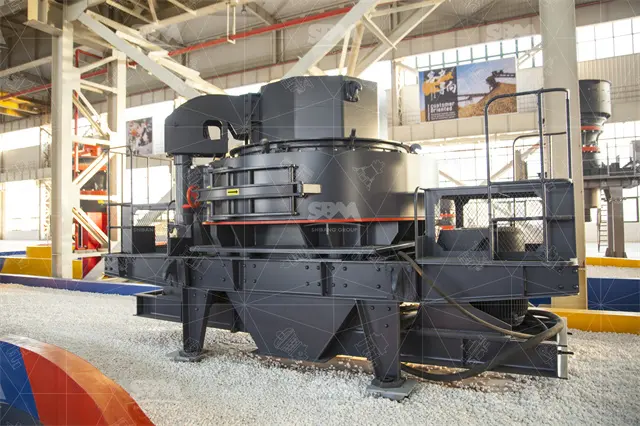
Also, use a VSI. This is a Vertical Shaft Impactor. It throws stones against an anvil. It breaks edges. The stone becomes round. SBM VSI5X is famous for this.
This table shows real data. It helps you choose. The data is for medium-hard volcanic rock.
| Model | Power (kW) | Feed Opening (mm) | Capacity (TPH) |
|---|---|---|---|
| PE-750×1060 | 110 | 750×1060 | 110-320 |
| HST160 Cone | 160 | 160 (Max Feed) | 100-280 |
| VSI5X 8522 | 220 | 45 | 180-350 |
Power is key. Volcanic rock needs high torque. SBM uses motors from big brands. We connect them with V-belts. Belts are safe. If the machine jams, the belt slips. This saves the motor.
For the HPT Cone, we use a drive shaft. It spins the eccentric bushing. The speed is high. High speed means more hits per minute. More hits mean more sand. This is good for profit.
This was a hard project. The site is high in the mountains. The air is thin. Motors get hot easily. The rock is Andesite. It is very abrasive.
The Problem:
The old machine overheated. It stopped every 4 hours. The client lost money.
SBM Solution:
We installed an HPT300 Cone Crusher. We used a larger motor. We added a forced oil cooler. The oil stays cool. The bearings stay safe.
Customer Voice:
The manager said, “We run 20 hours a day now. No stops. The maintenance is simple.” We checked the liners. They lasted 45 days. The old ones lasted 20 days. This is a big win.
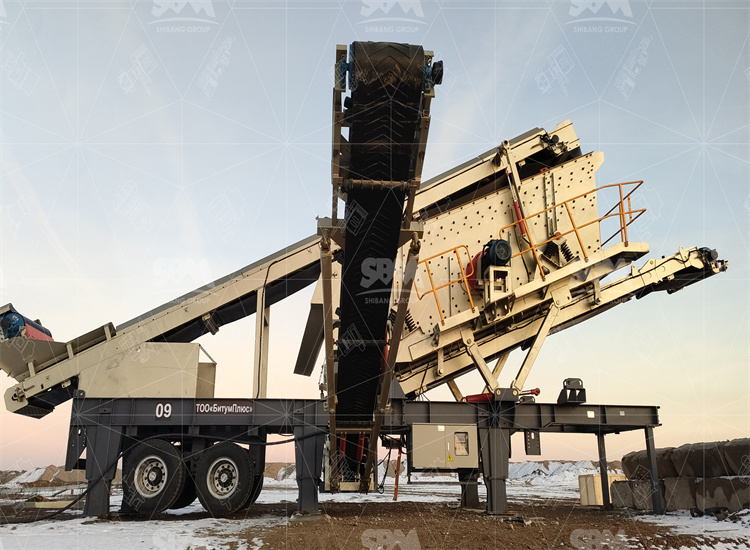
Good installation saves trouble later. You must have a flat concrete base. Use a level tool. If the machine shakes, check the bolts. Tighten them fast.
Maintenance Plan:
Check the oil daily. Look at the color. If it is black, change it. Check the filter. Dust kills engines. SBM machines have dust seals. This keeps dirt out. Grease the bearings every shift. Use high-temp grease.
Power is expensive. Mining needs lots of power. Clients ask, “How can I pay less?”
The Answer:
Do not run empty. An empty machine uses 40% power. But it makes zero money. Use an automated feeder. It keeps the flow steady. SBM automation systems help here. They watch the amp load. They adjust the feed speed. Efficiency grows.
To crush volcanic rock, be smart. Do not buy cheap, light crushers. They will break. You need mass. You need power.
Quick Checklist:
1. Test your rock. Know the hardness.
2. Use a Jaw for the first step.
3. Use a Cone for the second step. Hydraulic is best.
4. Check the liner material. Mn18Cr2 is a must.
SBM has the experience. We have the data. We help you build a line that works. It lasts long. It makes money.
Q1: Can I use an Impact Crusher for basalt?
A: We say no. You can, but it is costly. The wear parts die too fast. It is only okay if the rock is soft. For hard basalt, use a Cone Crusher.
Q2: How often do I change oil?
A: For a new machine, change it after 50 hours. After that, change every 2000 hours. Always check the manual. Dirty oil ruins bearings.
Q3: Why does my machine vibrate too much?
A: Check the feed. Is it even? If rocks are on one side, it shakes. Check the foundation bolts. Are they loose? Tighten them. If it still shakes, call SBM support.
Whatsapp:+8617329420102
Email: [email protected]
Address: No. 1688, Gaoke East Road, Pudong new district, Shanghai, China.
Online Service : Get Price
We value your feedback! Please complete the form below so that we can tailor our services to your specific needs.