Mining gold in Africa is a big challenge. The rocks are very hard. The weather is hot. We designed a massive 1000 tons per hour (TPH) plant. This article explains how we did it. It covers the machines used. It shows real data. It explains why we chose specific settings. This guide helps you understand large scale crushing. It is simple to read. It is for miners and investors.
This project is in West Africa. The climate is tropical. It rains often. The gold ore is mostly quartzite. This rock is very abrasive. The Bond Work Index is 16 kWh/t. This means the rock is hard to crush. The customer needed 1000 tons every hour. That is a lot of rock. The feed size is huge. Rocks are up to 1000mm big. The final size must be under 12mm. This is for the ball mill stage.
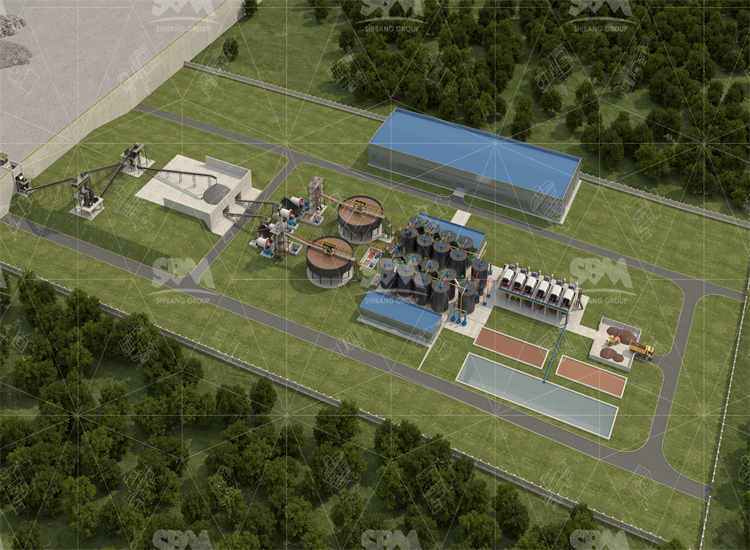
Why did we study the site first? To save money later. Soil bearing capacity was low. We designed wider foundations. The voltage was unstable. We added soft starters. SBM engineers visited the site three times. We tested the rock samples. We found high silica content. This wears out steel parts fast. We planned for this.
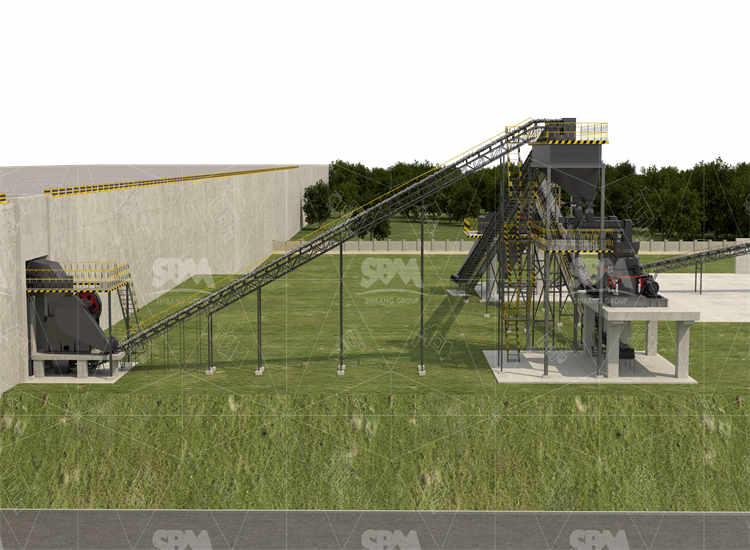
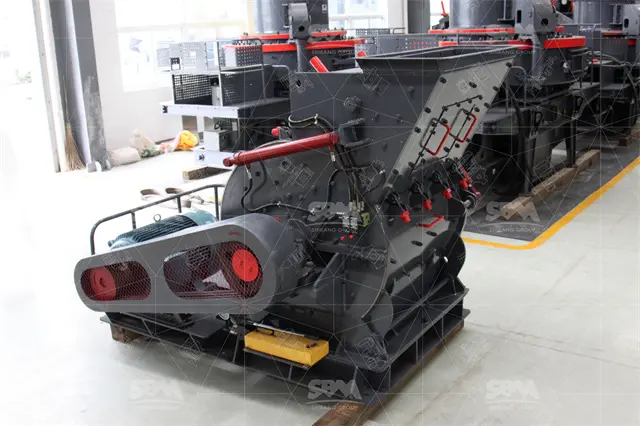
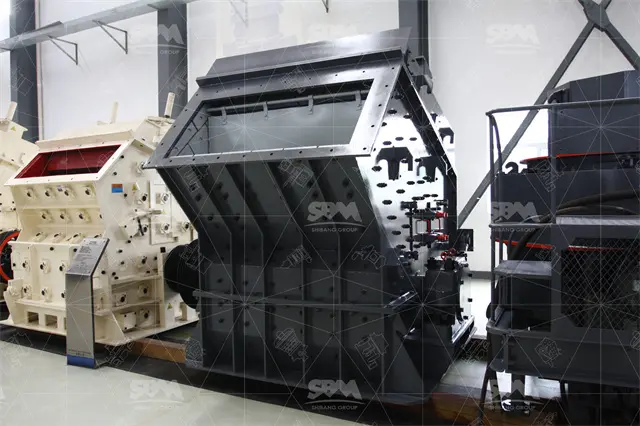
We used a heavy-duty Jaw Crusher. It is the first stage. The model is the PE Series. The crushing ratio is about 4:1. This machine squeezes rocks. It works like a giant mouth. One jaw moves. The other stays still. The principle is simple compression.
Key Technical Specs:
| Parameter | Value | Why? |
|---|---|---|
| Feed Opening | 1200 x 1500 mm | Accepts big 1000mm rocks. |
| CSS (Closed Side Setting) | 150 mm | Controls output size. |
| Motor Power | 400 kW | Needs high torque. |
| Eccentric Shaft Speed | 210 RPM | Balances capacity and wear. |
The toggle plate is a safety part. It breaks if iron enters. This protects the machine. We set the CSS to 150mm. Why 150mm? It balances the load. It helps the next stage work better. Mining journals say a 150mm gap reduces wear on secondary crushers (Mining Science, 2023). The flywheel stores energy. It keeps the motion smooth. This saves electricity peaks.
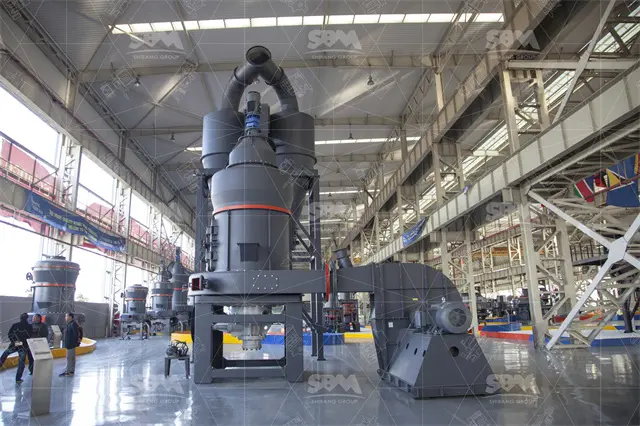
The rocks are now smaller. They go to the Cone Crusher. We use the Hydraulic Cone Crusher. It is the GP series. The crushing principle is lamination. Rocks crush other rocks. This makes a good shape. The shape is cubic. Cubic rocks grind better later.
Why use a cone here? It handles hard rock well. The mantle spins inside the concave. The gap changes. This is the CSS again. We set it to 35mm here. The speed is faster. It spins at 350 RPM. This creates high breakage frequency. The crushing ratio is higher here. It is about 5:1. SBM chose high manganese steel liners. They last longer.
Operational Data:
We use a hydraulic system. Why? It clears jams automatically. If the crusher stops, it opens up. Rocks fall out. It restarts quickly. This reduces downtime.
Many miners ask this. It costs a lot of money. The main cause is often wrong feeding. Are you choke feeding? You must keep the cavity full. A full cavity causes rock-on-rock crushing. This saves the metal liners. If the cavity is empty, rocks hit metal directly. This wears it out fast.
Another reason is the material. Is the silica high? Silica cuts metal like glass. You need better alloys. We suggest Mn18Cr2 steel. It is tougher than standard Mn13. Check your feed point too. Rocks must fall in the center. Side feeding wears one side only.
Energy is expensive in Africa. Diesel generators cost a lot. Crushing uses 50% of mine power. To save money, check the crushing ratio. Do not do too much work in one stage. Spread the work out. Use three stages instead of two. This keeps motors in the efficient zone.
Keep the belts tight. Loose belts slip. Slipping wastes power. Use soft starters on motors. They reduce the starting spike. Monitor the CSS daily. As liners wear, the gap grows. The rocks get bigger. The mill works harder. Adjust the gap daily to save mill power.
This is the final crushing step. We use Short Head Cone Crushers. They make fine products. The aim is under 12mm. We also use Vibrating Screens. The screens sort the rocks. Big rocks go back. Small rocks go to the stockpile.
The screen is a 3-deck circular vibrating screen. It is tilted at 20 degrees. Why 20 degrees? Gravity helps rocks move. It increases capacity. The mesh size is critical. We use polyurethane mesh. It lasts 3 times longer than steel mesh. This is data from the Journal of Mineral Processing.
| Deck Level | Mesh Size | Efficiency |
|---|---|---|
| Top Deck | 40 mm | 92% |
| Middle Deck | 20 mm | 88% |
| Bottom Deck | 12 mm | 85% |
We use a Closed Circuit. Rocks circulate until they are small enough. This guarantees the product size. It protects the ball mill. The circulating load is 250%. This is standard for this ore type.
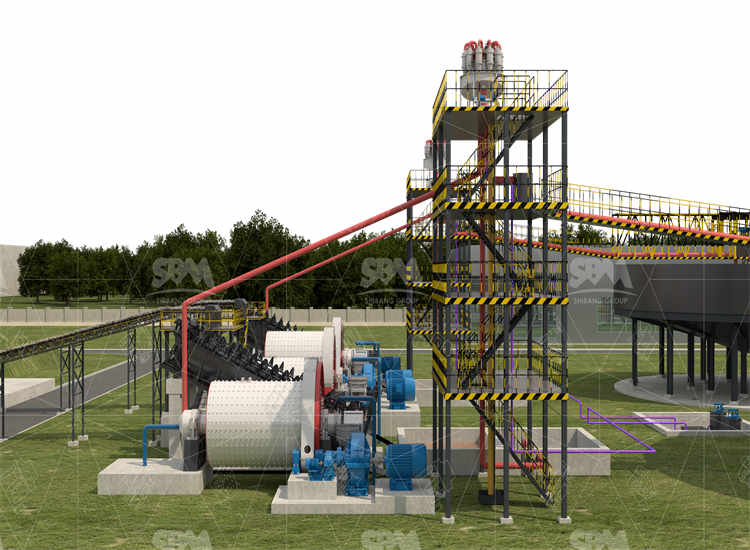
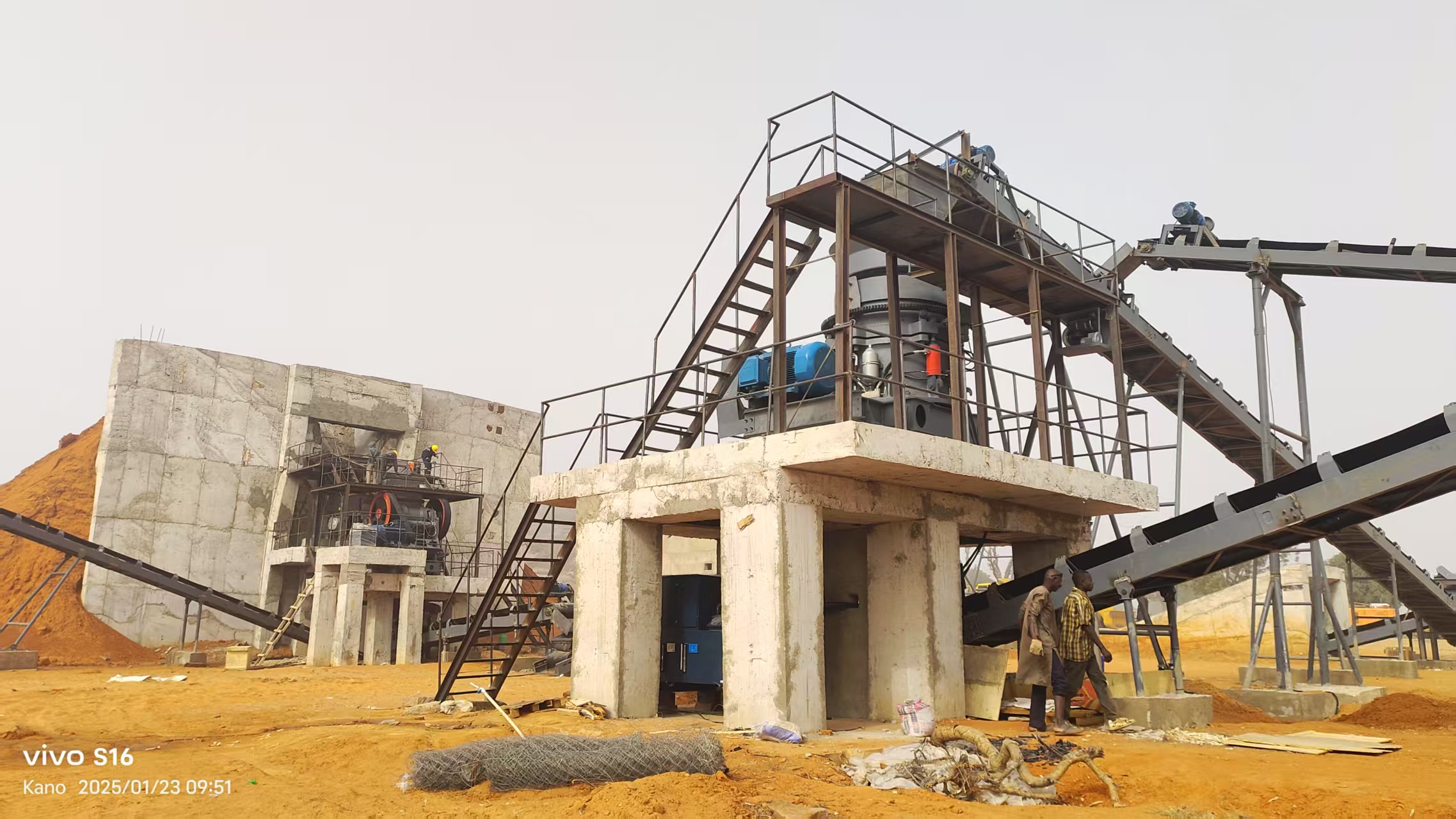
Let’s look at the real site. It is in Guinea. The customer had a problem. Their old plant broke often. It only produced 600 TPH. They wanted 1000 TPH. They chose SBM. We redesigned the flow.
The Solution:
We added a surge bin. It sits between primary and secondary stages. Why? The trucks stop sometimes. The crusher must keep running. The bin holds rocks. It smooths the flow. We replaced old motors with high-efficiency ones. We installed dust collectors.
Customer Feedback:
The site manager, Mr. Diallo, was happy. He said: “The installation was fast. SBM engineers stayed for 2 months. They trained our staff. The vibrations are low. The noise is less. We hit 1000 TPH in week two. The maintenance is easy now.”
Results:
Good installation saves future headaches. The foundation must be cured. Wait 28 days for concrete to dry. Use a laser to align motors. Even 1mm off causes vibration. Vibration kills bearings.
For maintenance, make a schedule. Check oil temperature daily. It should not exceed 60°C. Change oil every 2000 hours. Keep spare parts on site. Keep a set of liners and toggle plates. In Africa, shipping takes time. Having parts ready prevents long stops.
Decision Tree for Vibrations:
Humans forget things. Machines do not. We installed auto-lube systems. It greases the bearings automatically. It does this every hour. This pushes out dust. Dust destroys bearings. Manual greasing is often skipped. This system ensures long life. It costs a bit more. But it saves huge repair bills.
The system monitors pressure too. If a line breaks, an alarm sounds. The operator knows instantly. This prevents dry running. Dry running melts bearings in minutes. This tech is standard in SBM designs.
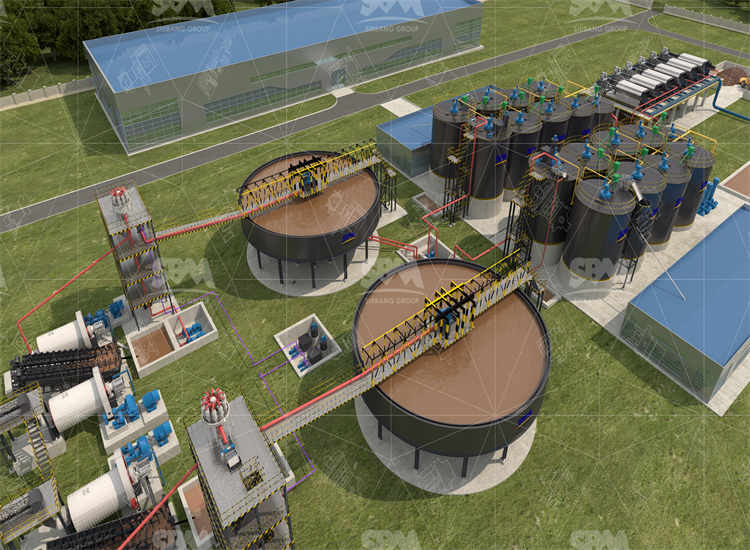
Building a 1000TPH plant is complex. You need the right partners. Do not just look at the price. Look at the total cost. Look at the power usage. Look at the spare parts availability. SBM offers a full solution. We test, design, and build.
For gold ore, always check abrasiveness. If silica is high, buy heavy duty liners. Use a larger primary crusher than you think you need. It handles explosive blasts better. Automate your control system. It keeps the plant stable. Stability equals profit.
1. How long does it take to build a 1000TPH plant?
Typically, it takes 6 to 8 months. This includes manufacturing and shipping. Installation takes about 3 months. It depends on local weather and concrete curing.
2. Can this plant handle wet sticky ore?
Standard crushers struggle with sticky ore. We recommend adding a wobbler feeder. It separates mud before crushing. Or, we wash the ore first. Clay clogs the crushing chamber.
3. What is the minimum team size to run this?
You need about 8 people per shift. One control room operator. Two loader drivers. Three patrol mechanics. Two laborers for cleaning. Good training reduces this number.
Whatsapp:+8617329420102
Email: [email protected]
Address: No. 1688, Gaoke East Road, Pudong new district, Shanghai, China.
Online Service : Get Price
We value your feedback! Please complete the form below so that we can tailor our services to your specific needs.