Crushers are the heart of any mine. They work hard every day. But they can fail. Unexpected stops cost money. Big money. Many failures start with the oil. Regular oil analysis is the key. It is like a blood test for humans. It tells you the health of the machine. SBM recommends this practice. It helps you see inside the equipment. You catch problems early. You save money on repairs. This article explains why.
Oil does more than lubricate. It cleans the machine. It cools the parts. It seals the gaps. Inside an SBM cone crusher, pressure is high. The main shaft spins fast. It sits in an eccentric bushing.
The oil film separates these metals. This film is very thin. Sometimes less than 10 microns. If the film breaks, damage happens. Metal rubs on metal. This creates heat. It creates wear particles.
We cannot see this from outside. The machine looks fine. But inside, it is dying. Oil analysis finds this. It finds the tiny particles. It warns us before the crash. This is smart maintenance.
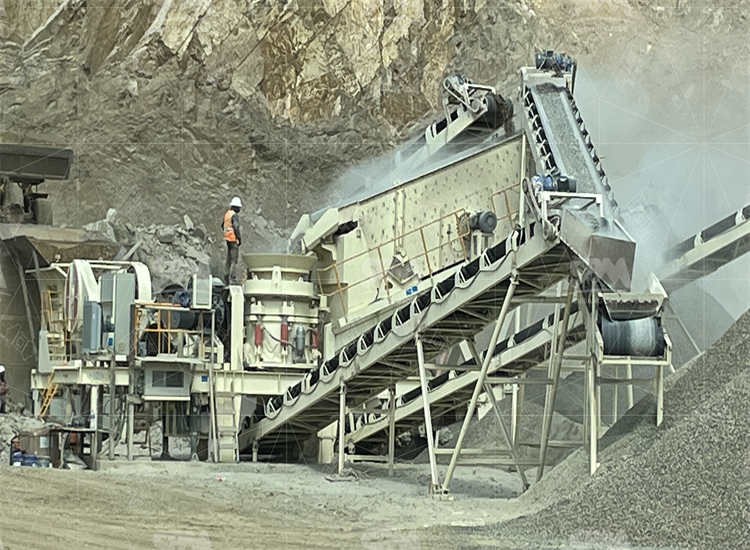
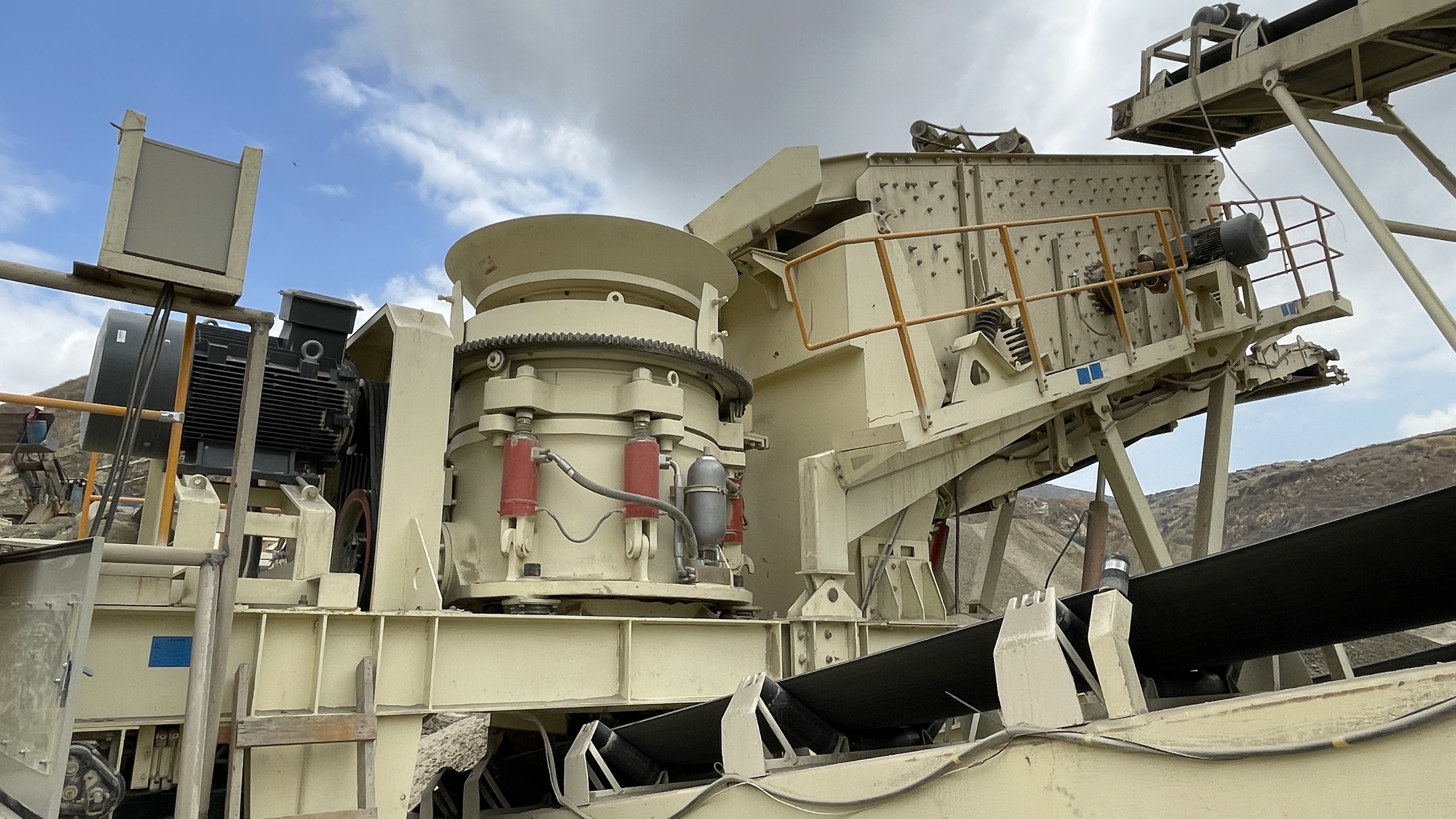
Let us look at the mechanics. Take a cone crusher for example. It breaks rock by compression. The mantle moves close to the concave. This gap is the CSS. That stands for Closed Side Setting. The rock breaks here.
The motor drives the countershaft. The countershaft spins the eccentric sleeve. The main shaft swings. This requires huge power. The motor power matches the load. SBM designs this carefully.
Friction is the enemy here. The eccentric bushing carries the load. The rotation speed is high. Often 300 to 350 RPM. The oil must flow fast. It carries heat away. If oil flow stops, the bush burns. It can burn in seconds. This is why oil quality matters.
Do you pay too much for power? Dirty oil increases friction. Friction resists motion. The motor works harder. It pulls more amps. You pay for this extra electricity.
Clean oil is slippery. Parts move easily. Energy goes to breaking rock. Not to fighting friction. Studies show a fact. Clean oil cuts energy use by 3% to 5%. For a big mine, that is a lot of cash.
Also check the viscosity. Viscosity is thickness. If oil is too thick, it drags. If too thin, it leaks. The film breaks. You must use the right grade. SBM manuals specify the grade. Usually ISO VG 150 or 220. Stick to the rule.
The lab report gives numbers. Many numbers. It can look confusing. But we look for three main things. Wear metals. Contaminants. Oil condition.
Wear metals tell us what is wearing. Iron comes from gears. Copper comes from bushings. Silica means dust. Dust is very bad. It acts like sandpaper.
See the table below. It shows standard limits. We use standards like ASTM or ISO. These are trusted global rules.
| Parameter | Standard Limit | What It Means |
|---|---|---|
| Viscosity @ 40°C | +/- 10% of New Oil | Oil thickness change. |
| Water Content | Max 0.1% | Seal leak or condensation. |
| Iron (Fe) | < 100 ppm | Gear or housing wear. |
| Copper (Cu) | < 50 ppm | Bushing or washer wear. |
| Silicon (Si) | < 15 ppm | Dirt or dust ingress. |
| ISO Code | 18/16/13 | Particle cleanliness level. |
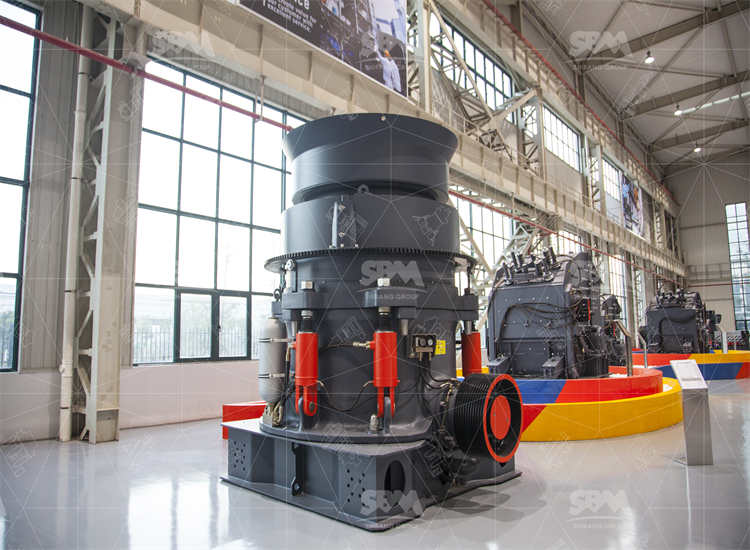
Let me tell you a story. A real story. We have a client in Chile. They mine copper. The altitude is high. Dust is everywhere. They use SBM HP500 cone crushers. These are strong machines.
One day, the report came. It showed Silicon (Si) at 45 ppm. This is high. The limit is usually 15. The oil looked clean to the eye. But the lab saw the dust.
We called the site manager. We said, check the breather. Check the seals. They stopped the machine. They found a loose clamp. The air filter was bypassing. Dust was sucking in.
They fixed the clamp. It took 10 minutes. They changed the oil. The machine ran fine. If they waited? The dust would eat the bushings. A shaft failure costs $50,000. They saved this money. The manager was relieved. He said, “SBM saved our week.”
Water is dangerous. It does not mix with oil. It hurts the machine in two ways. First, it causes rust. Iron parts rust quickly. Rust pits the surface.
Second, it affects the film strength. Water is not slippery. Under pressure, it flashes to steam. This causes micro-explosions. It damages the metal surface. We call this cavitation.
Where does water come from? Maybe a cooler leak. Maybe rain. Maybe condensation. Hot oil cools down at night. Air moisture turns to water. A good breather stops this. Desiccant breathers are best. They dry the air.
Here is another case. A quarry in Nigeria. They produce aggregate. They use an SBM Jaw Crusher. Model PE-900×1200. A classic workhorse. It crushes hard granite.
The oil temperature was rising. It hit 65°C. Usually it runs at 45°C. They added fans. It did not help. They called SBM service.
We asked for an oil sample. The report was strange. Viscosity was very low. It was like water. Why? Someone added diesel. They used a dirty bucket. The bucket had diesel residue.
The oil was too thin. Metal touched metal. Friction made the heat. We told them to flush it. Put in fresh ISO VG 150. The temperature dropped. The customer was happy. He said, “I thought the bearing was broken. It was just bad oil.” Simple fix.
The sample must be real. Do not take it from the drain. That is the bottom. It has sludge. It shows too much dirt. It lies to you.
Take it from the return line. Or use a sample port. Take it while the machine runs. Or just after it stops. The oil must be hot. The dirt must be floating.
Use a clean bottle. Never open the bottle until you use it. Do not use a dirty rag. Wipe the port clean. Flush a little oil first. Then fill the bottle. Label it well. Machine name. Date. Hours. Send it fast.
Some bosses say no. They say tests are expensive. A test costs maybe $30. A crusher costs $100,000. A day of downtime costs $20,000. Do the math.
One failure pays for 10 years of tests. It is cheap insurance. It is also a record. If you sell the machine, show the reports. It proves good maintenance. The value goes up.
SBM machines are durable. But they need care. We build them tough. We use high-quality steel. We use precise machining. But we cannot fight physics. Friction is real. Wear is real.
1. How often should I test the oil?
Good question. For crushers, do it every 500 hours. Or once a month. If the environment is dirty, do it more often. Like every 250 hours. Consistency is key. You want to see the trend.
2. Can I just change oil instead of testing?
You could. But it is wasteful. Maybe the oil is still good. You throw away money. Also, changing oil does not tell you about wear. The test tells you if a bearing is failing. Changing oil hides the evidence.
3. What if the report says “High Iron”?
Do not panic. Look at the trend. Is it sudden? Did you change the load? Check the filter. Cut the filter open. Look for big flakes. If flakes are big, stop. Inspect the gears. Call SBM support.
Not all oil is the same. Buy quality. Cheap oil breaks down. It oxidizes. It turns to sludge. Sludge blocks pipes. Then the bearing starves.
Use extreme pressure additives. We call them EP. They help heavy loads. SBM specifies the right type. Check the manual. Do not guess. Do not mix brands. Different additives fight each other.
Store oil correctly. Keep drums inside. Keep them sealed. If outside, lay them on the side. Water sits on top. It sucks in. Clean oil starts in the drum.
Let us recap. Crushers need clean oil. It is their lifeblood. Regular analysis is vital. It detects wear. It detects dirt. It prevents surprise failures.
We discussed the principles. SBM crushers use hydrodynamic lubrication. The film carries the load. We saw the data limits. Water under 0.1%. Particles low.
We saw real cases. The copper mine. The granite quarry. Small issues found early. Big money saved. The logic is clear. Spend a little on tests. Save a lot on repairs.
Start today. Set a schedule. Train your team. Label the ports. Read the reports. Listen to your machine. It talks to you through the oil. SBM is here to help. We want your success.
Whatsapp:+8617329420102
Email: [email protected]
Address: No. 1688, Gaoke East Road, Pudong new district, Shanghai, China.
Online Service : Get Price
We value your feedback! Please complete the form below so that we can tailor our services to your specific needs.