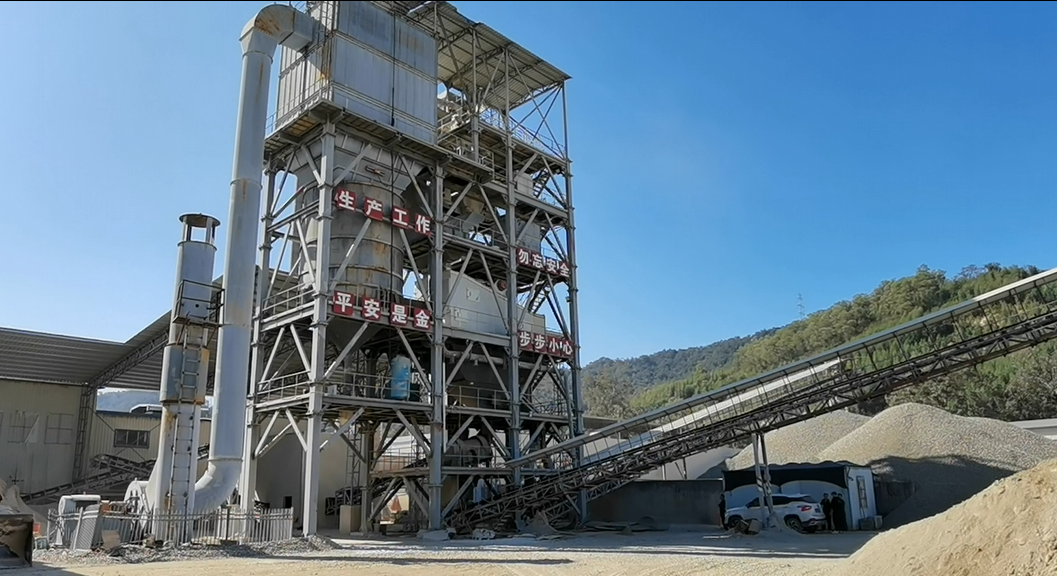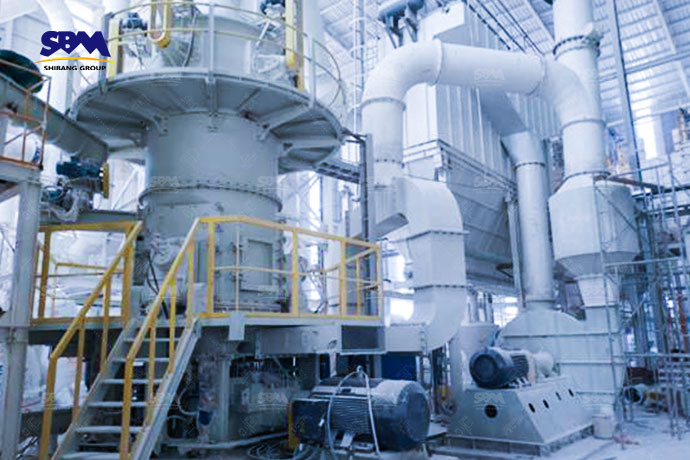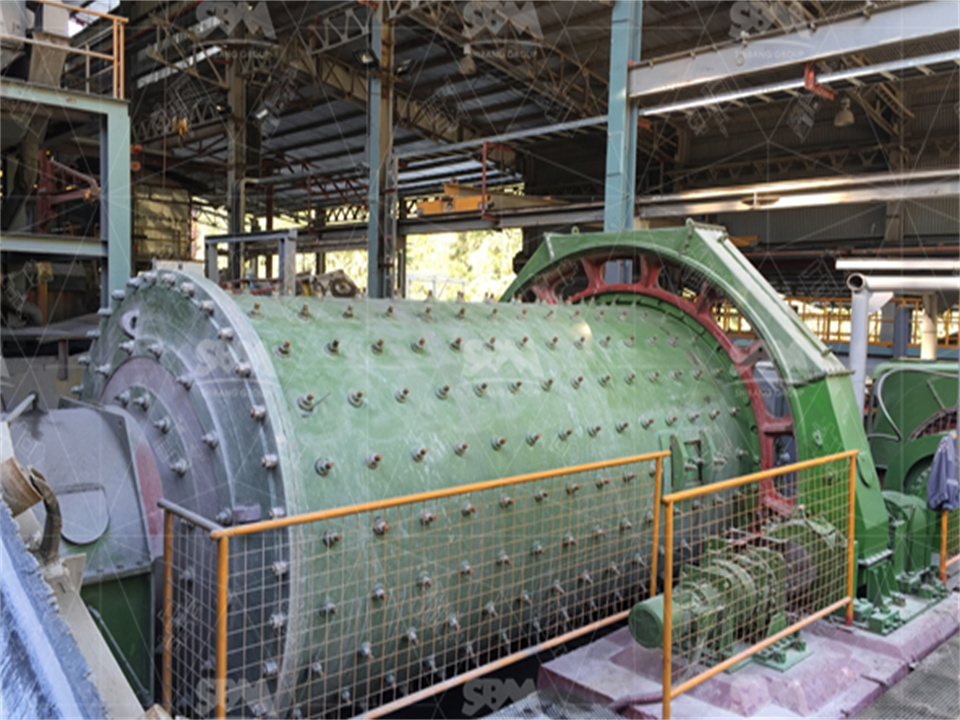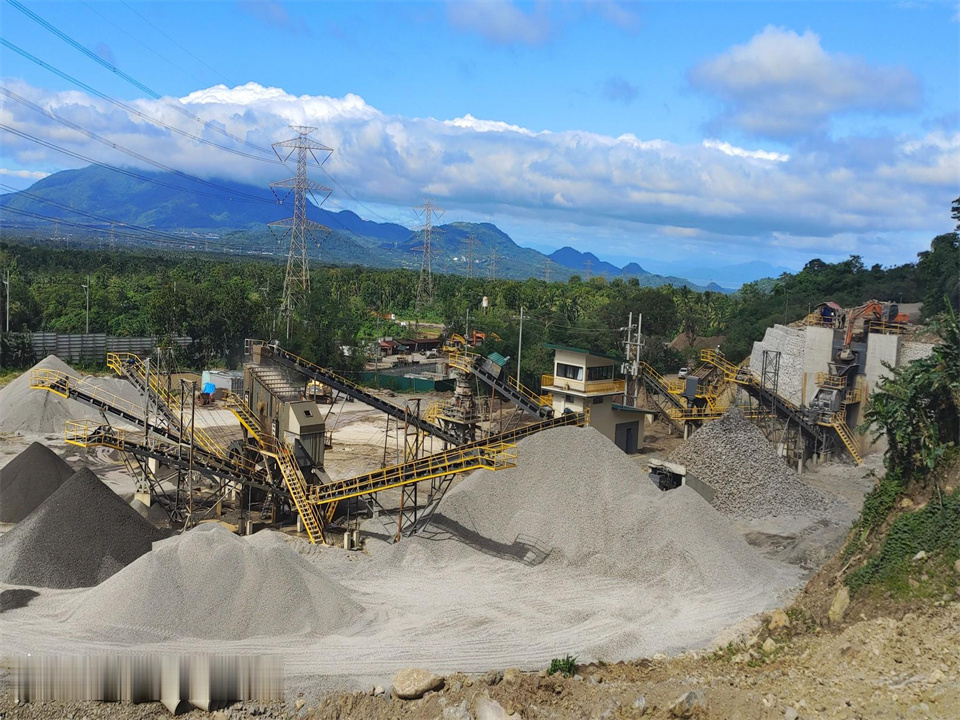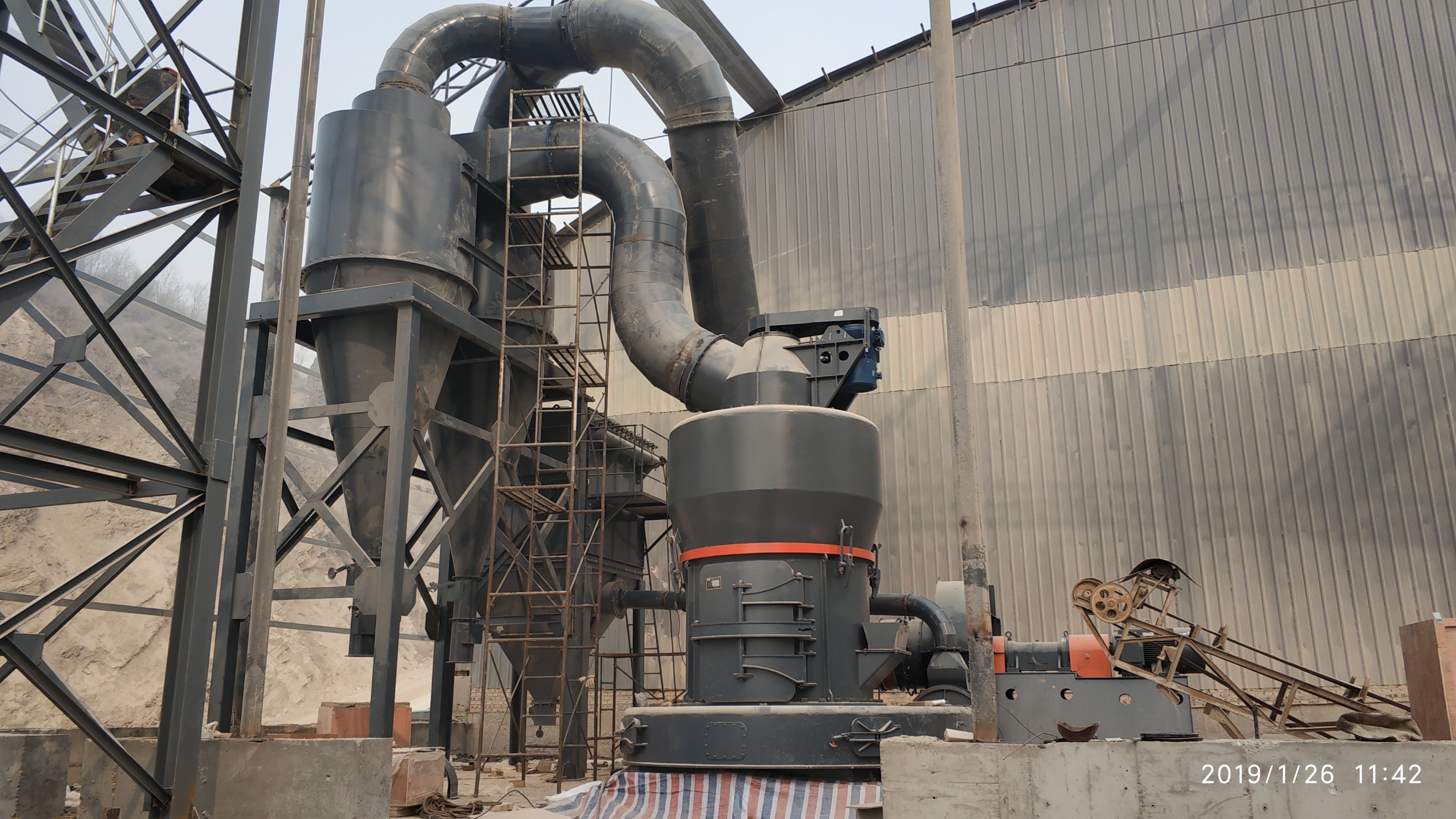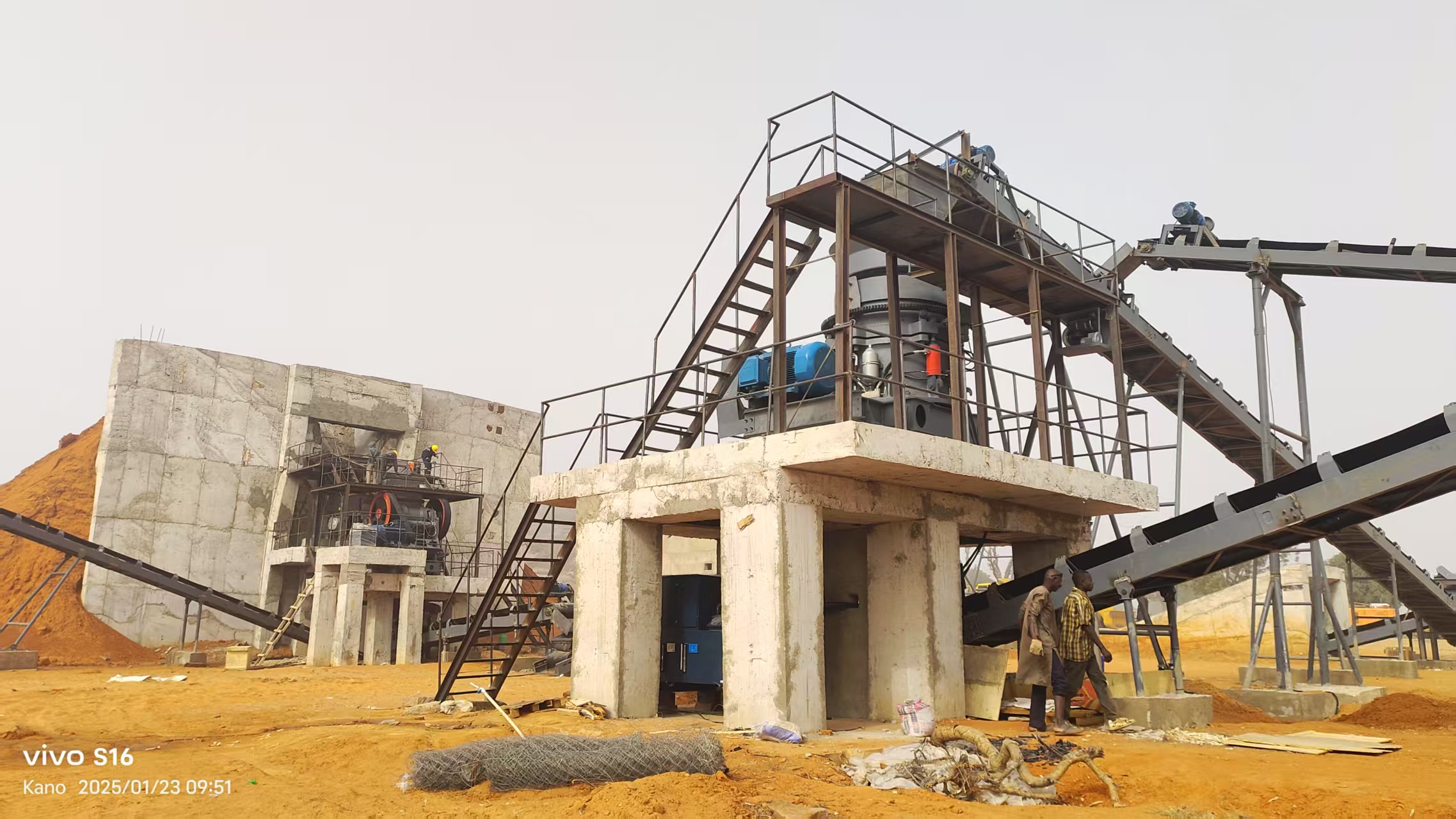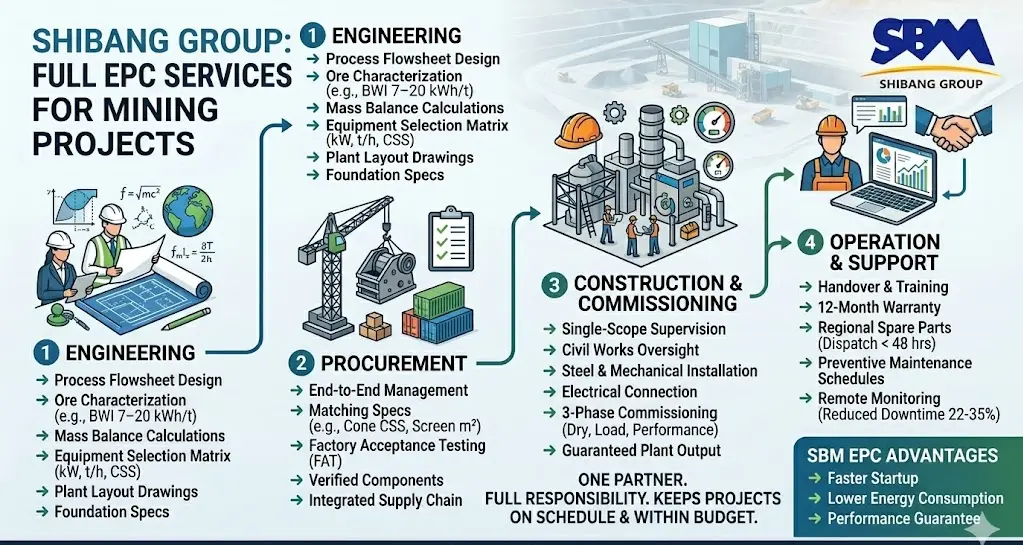
Mining projects fail not because of bad ore — they fail because of poor planning, mismatched equipment, and weak after-sales support. SBM delivers complete EPC (Engineering, Procurement, and Construction) services that cover every stage, from feasibility study to final commissioning. This means one partner handles everything, so projects stay on schedule and within budget.
EPC stands for Engineering, Procurement, and Construction. In mining, it means a single contractor takes full responsibility for designing the plant, sourcing all equipment, and building the facility. The client hands over requirements — the EPC provider delivers a working operation.
Many mine operators confuse EPC with simple equipment supply. They are very different. Equipment supply stops at delivery. EPC continues until the plant runs at target output. SBM’s model includes process design, civil foundation specs, electrical integration, operator training, and performance verification.
This matters because mining plants involve crushers, screens, conveyors, feeders, wash plants, and control systems — all working together. If any one component is wrongly sized, the whole line underperforms. EPC prevents that by engineering every part as a system, not as separate purchases.
Engineering is the first phase, and it shapes every decision that follows. SBM starts with ore characterization — hardness (Bond Work Index, typically 7–20 kWh/t for hard rock), abrasiveness (AI index), moisture content, and bulk density. These figures determine crusher type, liner material, and motor sizing.
Process flowsheet design follows. SBM engineers select the crushing stages — primary, secondary, tertiary — based on feed size (commonly 500–1200 mm at primary) and final product requirement (often 0–31.5 mm for aggregate, or finer for mineral processing). Each stage gets a reduction ratio target, usually 4:1 to 6:1 per stage.
Key engineering outputs include:
This documentation is handed to the client before procurement begins. Nothing gets ordered until the engineering package is approved.
Procurement in EPC is not just buying machines. It is verifying that every component meets the engineered specification, arrives on time, and integrates with the rest of the plant. SBM manages this process end-to-end.
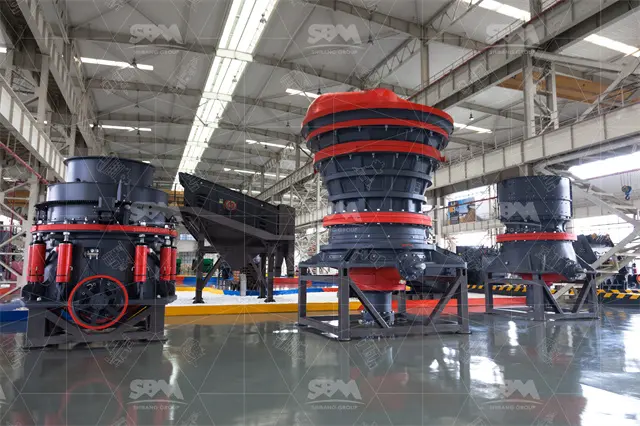
For crushing equipment, SBM matches jaw crusher feed openings (typically 400×600 mm to 1200×1500 mm) to primary feed size. Cone crushers are selected by cavity type — coarse (CC), medium (MC), fine (FC) — and by CSS range. For example, a standard cone crusher running at 300 rpm with a CSS of 16 mm typically produces 80–120 t/h of –25 mm product, depending on feed gradation.
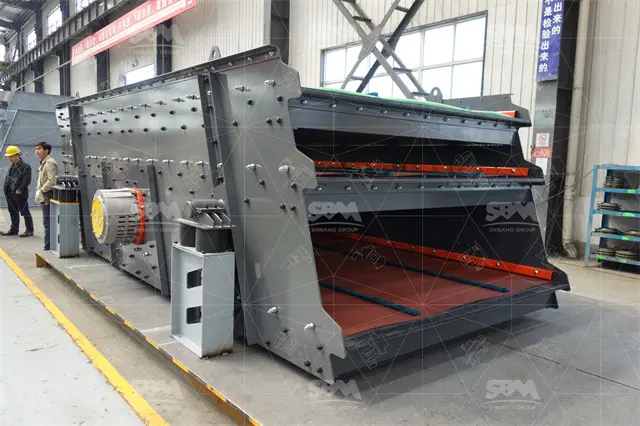
Vibrating screens are sized by deck area (m²) and stratification efficiency. A 2-deck screen at 3.6×7.2 m handles roughly 200–400 t/h depending on material and cut size. SBM engineers calculate the required screen area using the Mogensen formula or equivalent, adjusting for deck angle (typically 15–20°) and aperture size.
All equipment goes through factory acceptance testing (FAT) before shipment. Test reports document motor current draw, vibration amplitude, noise level (dB), and output gradation. Clients can attend FAT remotely or on-site.
Construction under EPC means SBM supervises civil works, steel structure erection, mechanical installation, electrical connection, and plant commissioning as a single scope. The client does not coordinate between separate civil, mechanical, and electrical subcontractors.
Foundation construction follows the approved drawings. Anchor bolt placement tolerance is typically ±2 mm for crusher bases — small errors here cause misalignment and premature bearing wear. SBM site engineers inspect foundation work before equipment installation begins.
Mechanical installation follows a defined sequence. Feeders are installed first, then primary crushers, then conveyor frames, then secondary and tertiary equipment. This sequence avoids lifting heavy machines over already-installed components.
Commissioning involves three phases:
Performance test results are compared against the guaranteed parameters in the EPC contract. Any shortfall is resolved before handover.
Choosing the wrong contract model costs time and money. Here is a direct comparison to help with the decision:
| Factor | Equipment Supply Only | EPCM (Management) | Full EPC (SBM Model) |
|---|---|---|---|
| Client coordination effort | High — client manages all contractors | Medium — client approves decisions | Low — SBM manages everything |
| Performance guarantee | Equipment specs only | No output guarantee | Plant output guaranteed |
| Single point of contact | No | Partial | Yes |
| Risk allocation | Client bears integration risk | Shared, complex | Contractor bears execution risk |
| Best for | Replacement parts, simple upgrades | Large projects with experienced owner’s team | New plants, expansions, limited owner resources |
| Timeline certainty | Low | Medium | High — fixed completion schedule |
For most new mining plant projects — especially in regions where the client does not have a large in-house engineering team — full EPC offers the clearest accountability and fastest path to production.
This is a common concern. Many operators assume EPC is only for large open-pit mines or $50M+ projects. That assumption is wrong and causes smaller operations to overpay for poorly integrated equipment.
SBM’s EPC scope scales to project size. A 50 t/h limestone crushing plant needs the same systematic approach as a 500 t/h granite quarry — the engineering principles do not change, only the equipment scale does. Undersizing a conveyor on a small plant wastes just as much money as on a large one, just at a smaller absolute figure.
For modular or containerized plants (common in remote locations), SBM pre-assembles and pre-wires modules at the factory. This reduces on-site construction time by 40–60% compared to stick-built plants. Civil work is reduced to foundation pads — no structural steel erection on site.
The practical threshold for full EPC engagement is projects with three or more processing stages (primary crush, secondary crush, screening). Below that, equipment supply with installation supervision typically makes more sense economically.
Rock hardness variability is one of the most frequent causes of plant underperformance. Drill-and-blast ore often contains zones with Bond Work Index (BWI) ranging from 10 to 24 kWh/t within the same deposit. Equipment sized for the average BWI struggles when the hard zones arrive.
SBM addresses this through design margins and cavity selection. Cone crushers are selected with a power buffer of 15–20% above the calculated requirement. This means that when hard ore arrives and amperage climbs, the motor does not trip. The plant keeps running.
For highly variable ore, SBM recommends hydraulic cone crushers with automated CSS adjustment. When tramp iron or extra-hard material enters, the crusher opens automatically and passes the oversize — rather than stalling. This reduces downtime from unplanned stops, which in real operations accounts for 15–30% of lost production time.
Liner change intervals are also adjusted during engineering. For abrasive ore (AI > 0.5), manganese steel liners with higher Mn content (18–22% Mn) are specified. This extends liner life from a typical 400–600 hours to 700–900 hours, depending on CSS and feed gradation.
International EPC projects require communication systems that work across geography. Drawing approvals, equipment status updates, and site progress reports cannot wait for business-hour overlaps between Asia and Africa or South America.
SBM uses a project management platform where all documents — drawings, inspection reports, shipping documents, FAT results — are stored and version-controlled. Clients access the platform 24/7. Every document has an approval workflow with automatic notifications.
On-site, SBM deploys a resident engineer who speaks the local language or works through a qualified interpreter. For remote sites, video commissioning is available — SBM engineers guide local technicians through startup procedures via live video, with screen-shared diagnostic tools showing real-time sensor data.
Language-specific manuals are prepared for operation and maintenance. Standard languages include English, French, Spanish, Arabic, Russian, and Portuguese. Custom language versions are prepared on request for other markets.
A mining operator in West Africa needed a 120 t/h gold ore processing plant built from scratch. The site was 85 km from the nearest power grid, with ambient temperatures reaching 42°C and annual rainfall of 1,400 mm. The ore was a mixed laterite and hard rock deposit with BWI ranging from 12 to 19 kWh/t.
SBM designed a two-stage crushing circuit with a jaw crusher (feed opening 800×1060 mm, motor 110 kW) at primary and a cone crusher (cavity MC, CSS 16–22 mm, motor 160 kW) at secondary. A diesel generator set was specified for primary power, sized at 630 kVA with a PLC-controlled load management system.
Construction ran 14 months from contract signing to commissioning. Key performance data from the 72-hour acceptance test:
After six months of operation, the plant maintenance supervisor reported: liner changes were taking 6 hours per side — matching the installation manual exactly. Bearing temperatures on the cone crusher stayed below 65°C even in peak heat. The operator said the training provided during commissioning made the difference — the team understood why each step in the startup sequence mattered, not just what to press.
An existing quarry in Southeast Asia needed to expand from 200 t/h to 400 t/h. The constraint was the existing primary jaw crusher, which could not handle the increased feed rate. The site had limited space for new civil foundations and a 16-week shutdown window before the rainy season.
SBM conducted a plant audit before proposing any equipment. The audit found the existing secondary cone crusher was only running at 68% of rated capacity — the bottleneck was the primary, not the secondary. This changed the project scope significantly.
Instead of replacing the secondary circuit, SBM supplied a larger jaw crusher (1200×1500 mm feed opening, 160 kW motor) alongside the existing unit in parallel configuration. The conveyor feeding the secondary was upgraded to handle combined output. Total civil work was two new foundation pads — completed in 18 days.
Project results:
The plant manager noted that previous expansion attempts by other contractors had always required longer shutdowns. The detailed plant audit before design was what made the difference — no surprises during installation.
EPC contracts typically cost 8–15% more than self-managed equipment purchases for the same plant output. This premium covers engineering labor, project management, risk insurance, and performance guarantee obligations. The question is whether that premium earns a return.
Three areas where EPC typically recovers cost quickly:
For a 200 t/h plant running 6,000 hours per year at a product value of $8/t, even a 5% throughput improvement from optimized design adds $480,000 in annual revenue. The EPC premium is typically recovered within 6–18 months of production.
Handover is not the end of the relationship. Plants need support during the first year especially — operators are still learning the equipment, and minor adjustments to CSS, feed rate, or screen settings often improve performance significantly.
SBM provides a 12-month warranty period covering defects in equipment and workmanship. During this period, spare parts for warranty claims are dispatched within 48 hours from regional warehouses. A dedicated project engineer remains the client’s contact for the entire warranty period — no call center rotation.
Preventive maintenance schedules are built into the handover documentation. These include:
Remote monitoring systems are available as an option. Sensors on crushers, conveyors, and screens feed data to a cloud platform. SBM engineers can review operating parameters and flag anomalies before they become failures. This service has reduced unplanned downtime at equipped sites by 22–35% based on operational records from existing installations.
Installation quality determines how long equipment lasts. A crusher base misaligned by 2 mm creates vibration that shortens bearing life by 30–50%. Most problems SBM sees in the field trace back to installation errors, not equipment defects.
SBM sends installation supervisors to site for all EPC projects. These supervisors carry checklists aligned to ISO 10816 (vibration limits for rotating machinery) and manufacturer-specific torque specifications. Nothing is left to local interpretation.
For clients in regions with limited heavy equipment expertise, SBM provides pre-assembled modules. The crusher, motor, drive, and lubrication system arrive as a pre-aligned unit on a skid frame. The only on-site work is anchor bolting the skid to the foundation and connecting the feed and discharge conveyors. Alignment errors are eliminated at the factory.
Electrical installation follows IEC 60364 standards for industrial installations. SBM provides as-built drawings showing actual cable routing, junction box locations, and sensor wiring. These drawings are essential for troubleshooting years later when the original installation team is no longer on site.
Timeline depends on plant size and site conditions. A 100–200 t/h modular plant typically runs 10–14 months: 2 months for engineering approval, 5–6 months for equipment manufacturing and procurement, 3–4 months for construction and commissioning. Larger or more complex plants (400+ t/h, multiple processing stages) typically need 18–24 months. Remote sites with limited road access add 1–3 months to the construction phase, depending on equipment transport logistics.
SBM provides a detailed project schedule (Gantt chart format) during the proposal stage. Key milestones are contractually tied to payment terms — both parties have clear visibility on what triggers each payment and what SBM is required to deliver at each stage.
Yes. SBM has experience navigating import documentation in over 40 countries. Temporary importation for installation equipment, permanent import of process machinery, and customs bond arrangements are handled by SBM’s logistics team in coordination with local customs agents. All equipment is shipped with full documentation: packing lists, commercial invoices, certificates of origin, conformity certificates, and installation manuals. For markets with specific standards (CE marking for Europe, SANS for South Africa, GB standards for China-influenced markets), equipment is certified accordingly before shipment.
The EPC contract includes a performance guarantee clause. If the plant fails to meet the guaranteed throughput, product gradation, or energy consumption figures during the acceptance test, SBM is obligated to rectify the issues at its own cost. This may involve equipment adjustments, liner changes, process modifications, or in rare cases, equipment replacement. The acceptance test is run under agreed feed conditions specified in the contract — clients cannot claim shortfall if feed material is significantly different from the specified ore characteristics. This is why ore characterization at the engineering stage is not optional — it protects both parties.
Every mining project starts with a conversation about what the ore looks like, where the site is, and what the output target is. Those three pieces of information are enough to begin an engineering assessment.
SBM works as a manufacturer-backed EPC provider — not a trading company or broker. Equipment is designed, manufactured, and warranted by the same organization that builds the plant. When something needs adjustment after commissioning, there is no finger-pointing between supplier and contractor. One team is responsible.
Customization is standard practice, not an exception. Feed sizes, product specifications, site elevations, power supply limitations, and automation requirements all get designed in from the start — not bolted on as afterthoughts.
If you have a project at any stage — feasibility, detailed engineering, or ready to order — reach out with your basic project data. SBM’s engineering team will provide a preliminary flowsheet and equipment list, typically within 5–7 business days, at no charge. That gives a concrete basis for budget planning and further discussion.
Whatsapp:+8617329420102
Email: [email protected]
Address: No. 1688, Gaoke East Road, Pudong new district, Shanghai, China.
Online Service : Get Price
We value your feedback! Please complete the form below so that we can tailor our services to your specific needs.