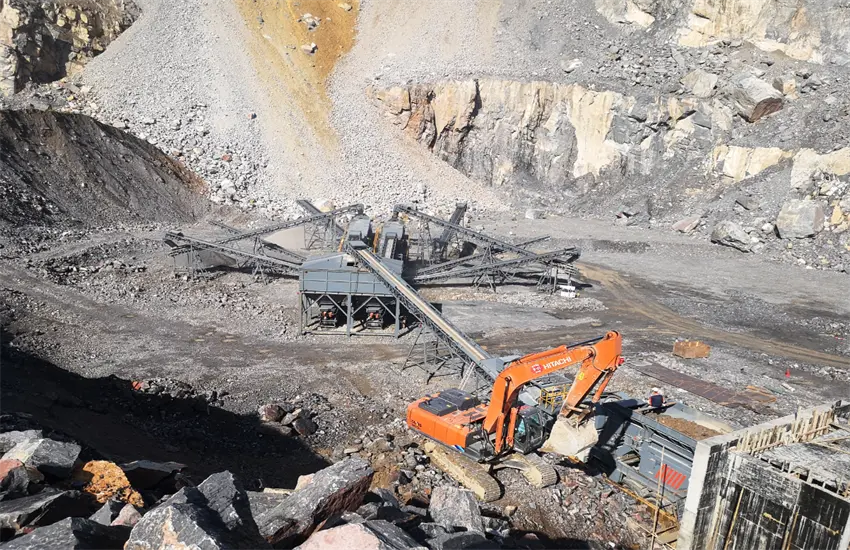
Your track-mounted crushing unit sits idle in the middle of a remote quarry while your maintenance crew frantically torch-cuts another set of prematurely worn jaw liners. Processing high-silica materials such as quartzite, granite, or flint on a mobile platform quickly turns profitable aggregate production into an expensive logistics nightmare. Because mobile stations operate directly at the rock face, unexpected mechanical downtime halts the entire downstream hauling fleet and starves your processing plant. The convenience of mobility is completely wiped out if your machine spends more time undergoing liner replacements than it does crushing rock.
Accelerated wear in mobile setups is a direct result of quartz crystals acting as industrial cutting tools against standard crushing surfaces. When a mobile machine is poorly matched to abrasive geology, severe failure occurs across multiple mechanical vectors.
To stop bleeding money on replacement wear parts, quarry operators must transition from reactive maintenance to an engineered, compression-based crushing strategy.
Surviving highly abrasive工况 requires mobile machinery built with heavy structural mass and advanced metallurgy rather than standard off-the-shelf components.
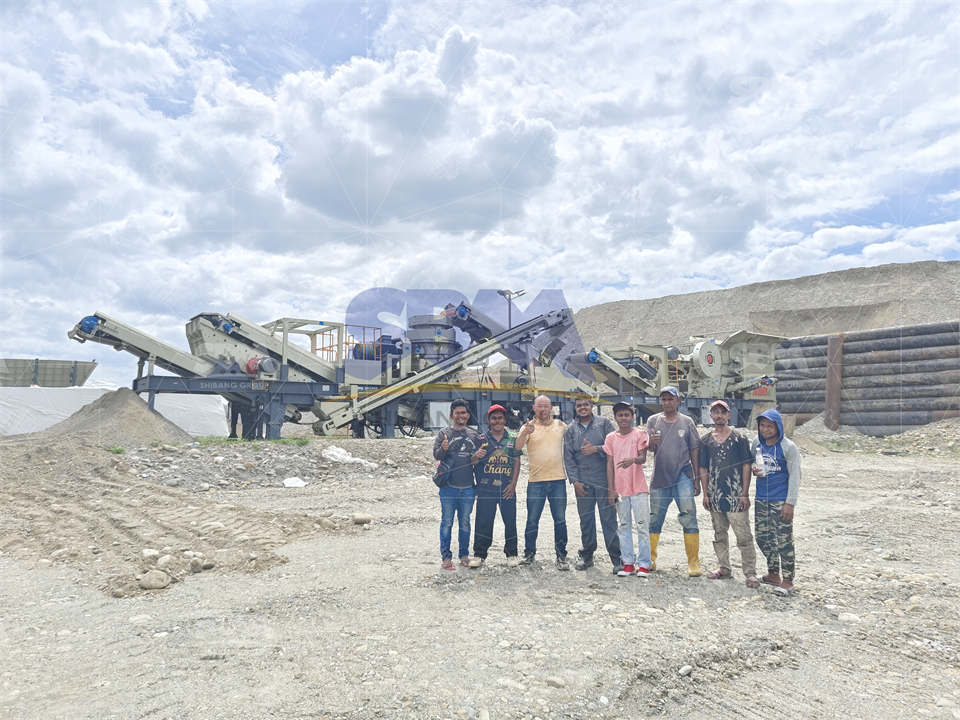
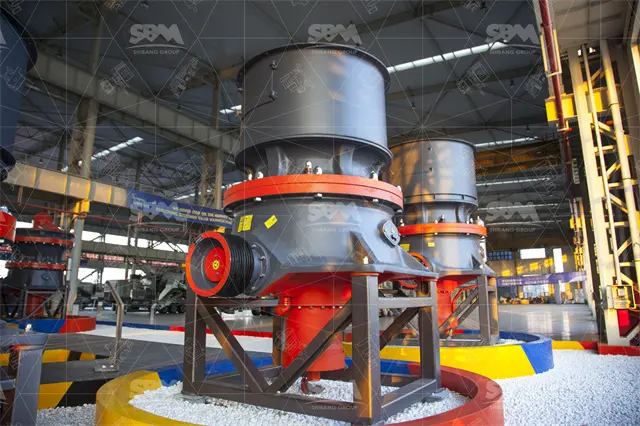
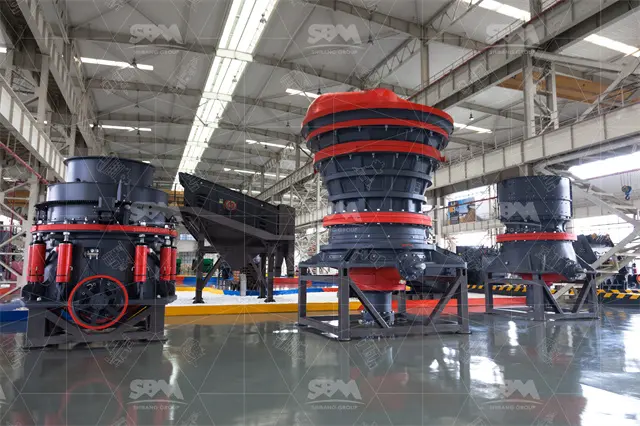
SBM track-mounted jaw and cone crushing stations are engineered precisely to neutralize the high-wear characteristics of high-silica deposits. SBM mobile jaw crushers utilize an aggressive, deep-chamber kinematic profile that maximizes the angle of attack, ensuring rocks are crushed instantly upon entry rather than slipping and sliding against the jaws. For secondary reduction, SBM mobile cone crushers deploy high-torque hydraulic motors that maintain consistent crushing forces even when filled to maximum capacity. Furthermore, SBM supplies specialized matrix alloy liners embedded with heavy titanium carbide inserts at the highest wear zones, providing a defensive shield that vastly outlasts generic manganese steel.
Upgrading to a dedicated, compression-configured mobile strategy directly lowers your total cost of ownership by extending part life and reducing unscheduled field labor.
| Operational Metric | Standard Impact/Lightweight Mobile Setup | SBM Compression Mobile Station | Net Operational Benefit |
|---|---|---|---|
| Primary Crushing Mechanism | High-speed impact prone to severe abrasion. | High-mass hydraulic compression. | Eliminates sudden blow bar breakage. |
| Liner Wear Pattern | Localized gouging and rapid profile distortion. | Uniform, predictable wear across the alloy surface. | Maximizes utilization of the wearable metal. |
| Maintenance Interval | Frequent weekly shutdowns for component welding. | Extended operational cycles between planned swaps. | Drastically increases monthly aggregate tonnage. |
Why is the toggle plate on my mobile jaw crusher breaking when handling quartzite?
The frequent failure of the toggle plate indicates that uncrushable fines or high-strength silica slabs are packing tightly at the bottom of the chamber, forcing the machine to exceed its structural load limit. Ensure your grizzly feeder is actively scalping out all sub-size dirt and fine material before it enters the jaw, allowing the crusher to focus exclusively on primary boulder reduction.
Can I use an impact crusher if the silica content is only high in certain areas of the quarry?
Deploying an impactor in fluctuating geology is a high-risk gamble. Even brief exposure to high-silica veins will cause immediate, irreversible wear to the blow bars and counter-attack plates. For mobile operations where the geology changes across the pit, a jaw and cone compression setup is always the safest and most economically stable choice.
Whatsapp:+8617329420102
Email: [email protected]
Address: No. 1688, Gaoke East Road, Pudong new district, Shanghai, China.
Online Service : Get Price
We value your feedback! Please complete the form below so that we can tailor our services to your specific needs.