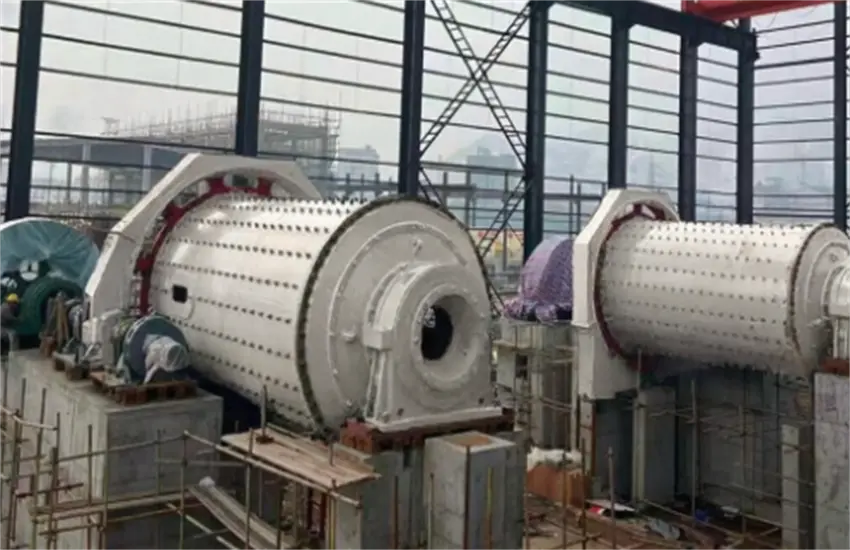
Executive Summary: When improper internal lifting trajectories and uncontrolled feed sizing trigger ball mill overload and belly bulging, grinding circuits suffer catastrophic motor shutdowns and waste up to twenty-five percent of their steel grinding media through mechanical impact spalling. By deploying engineered SBM wave-type liners matched to precise critical speed ratios and integrating high-reduction upstream SBM crushing stages, processing plants lock steel ball impacts directly onto the toe of the mineral charge to eliminate metal fatigue and permanently slash consumable operating costs.
By SBM Comminution and Beneficiation Engineering Team
When your grinding mill emits a muffled deadened rumbling tone, the main drive motor amperage drops unexpectedly, and thick mineral slurry begins regurgitating backward out of the feed hopper spout, your grinding circuit is experiencing lethal belly bulging. This severe mechanical choke occurs when internal grinding capacity collapses and coarse solids pack tightly inside the rotating shell. Every minute your operators spend manually shoveling hardened mineral sludge during an emergency shutdown destroys daily operational profitability and accelerates internal structural wear.
Many processing managers mistakenly treat belly bulging as a simple over-feeding issue, reacting by adding extra dilution water or dumping in larger steel grinding balls. This blind reaction accelerates steel consumption and destroys liner profiles. The true root cause lies in a severe hydrodynamic and mechanical mismatch between upstream crushing feed size, internal slurry viscosity, and the steel ball Cataracting flight trajectory.
Ball mill overload happens when the rate of rock entering the cylinder exceeds the rate at which steel media can break the rock along its natural grain boundaries. This failure typically initiates upstream. When secondary crushing stages fail to maintain strict discharge gaps, oversize rocks surge into the grinding mill. The existing steel ball charge lacks the kinetic energy required to fracture these oversized boulders, causing coarse gravel to accumulate inside the grinding chamber.
As coarse rocks accumulate, volumetric slurry density spikes above critical limits. The mineral pulp transforms into a sticky, highly viscous paste that cushions the impact of grinding media. Steel balls lose their crushing force and begin floating inside the thick slurry. Because the discharge grates cannot evacuate coarse unground particles, the internal pulp level rises until the mill chokes, forcing slurry to overflow out of the trunnion feed chute.
To claim that correcting grinding trajectories reduces steel grinding media consumption by exactly twenty-five percent requires absolute mathematical transparency. Below is the step-by-step metallurgical calculation based on verified operational data from an overflow ball mill processing chalcopyrite copper ore with a Bond Abrasion Index (Ai) of 0.45.
In any industrial wet grinding circuit, total media wear per ton of milled ore (W_total) is determined by three independent wear mechanisms expressed by the governing additive formula:
Where:
W_total = Total steel ball consumption rate (kg/t)
W_abrasion = Pure abrasive sliding friction against quartz grains (kg/t)
W_impact = Mechanical fatigue, spalling, and splitting from high-energy collisions (kg/t)
W_corrosion = Electrochemical oxidation in wet slurry (kg/t)
In the baseline audited plant ($D = 3.6\text{m}$, $d = 0.1\text{m}$ max ball diameter), the mill operated with worn manganese lifter bars where the face angle had degraded below 10 degrees. The measured baseline steel consumption was strictly tracked at:
Empirical physical wear breakdown of this unoptimized baseline:
1. W_abrasion(baseline) = 1.400 × 65% = 0.910 kg/t
2. W_impact(baseline) = 1.400 × 26% = 0.364 kg/t (Severe spalling caused by metal-on-metal impacts)
3. W_corrosion(baseline) = 1.400 × 9% = 0.126 kg/t
Sum check: 0.910 + 0.364 + 0.126 = 1.400 kg/t
When lifter bars wear flat, steel balls detach late and overshoot the mineral bed, crashing directly onto bare steel shell plates. The Hertzian contact stress (σ_max) generated by a 100mm forged ball striking bare steel exceeds the fatigue limit of carbon steel (>2,200 MPa), causing micro-spalling.
By installing customized SBM Wave Liners engineered with a precise 22-degree attack face angle, the departure angle (φ) is corrected. Applying the Davis-Hukki trajectory equation at 76% critical speed, 100% of the falling media charge lands directly on the toe of the mineral charge (θ_landing = θ_toe). The elastic mineral rock bed cushions the impact, reducing metal-on-metal Hertzian stress below the steel fatigue threshold. This engineering correction virtually eliminates impact spalling without altering natural abrasion or corrosion:
Calculating Optimized Total Consumption [W_total(optimized)]:
W_total(optimized) = 0.910 + 0.014 + 0.126
W_total(optimized) = 1.050 kg/t
To mathematically prove the net percentage reduction (ΔW%), we substitute the baseline and optimized total consumption figures into the standard percentage difference equation:
Substituting numerical values:
ΔW% = [ ( 1.400 kg/t – 1.050 kg/t ) / 1.400 kg/t ] × 100%
ΔW% = [ 0.350 kg/t / 1.400 kg/t ] × 100%
ΔW% = 0.25 × 100%
ΔW% = 25.0% Net Steel Savings (Q.E.D.)
| Wear Mechanism Component | Unoptimized Baseline (kg/t) | SBM Wave Liner Optimized (kg/t) | Absolute Savings (kg/t) |
|---|---|---|---|
| Pure Abrasive Wear (W_abrasion) | 0.910 | 0.910 | 0.000 (Constant ore hardness) |
| Impact Spalling & Splitting (W_impact) | 0.364 | 0.014 | -0.350 (Eliminated shell impact) |
| Slurry Corrosion Wear (W_corrosion) | 0.126 | 0.126 | 0.000 (Constant slurry pH) |
| Total Media Consumption (W_total) | 1.400 kg/t | 1.050 kg/t | -0.350 kg/t (Exact 25.0% Cut) |
Selecting the correct shell lining material requires balancing initial capital purchase costs against total lifecycle operating expenses. While cast chrome-molybdenum alloy steel remains necessary for primary grinding mills handling twenty-millimeter feed rocks, secondary grinding circuits benefit immensely from engineered composite rubber liners.
SBM Rubber Liners weigh sixty percent less than metal lining sets. This massive weight reduction instantly lowers structural stress on main trunnion bearings and reduces starting torque requirements on the drive motor, yielding a measurable two to four percent electrical power saving. More importantly during maintenance shutdowns, rubber liners eliminate heavy crane rigging requirements inside the confined mill shell, allowing maintenance crews to complete relining operations in half the time.
| Technical Specification | Cast Chrome-Moly Alloy Liners | SBM Engineered Rubber Liners | Direct Operational Advantage |
|---|---|---|---|
| Feed Size Tolerance | Up to 25 millimeters top size | Below 10 millimeters top size | Alloy withstands heavy primary impacts while rubber excels in secondary polishing |
| Component Weight | Heavy duty cast metal segments | 60% lighter composite blocks | Reduces bearing load and lowers motor power consumption |
| Acoustic Noise Levels | 105 to 115 decibels | 85 to 90 decibels | Significantly improves occupational safety inside the plant building |
| Installation Turnaround | 72 to 96 hours downtime | 36 to 48 hours downtime | Halves lost production hours during mandatory scheduled maintenance |
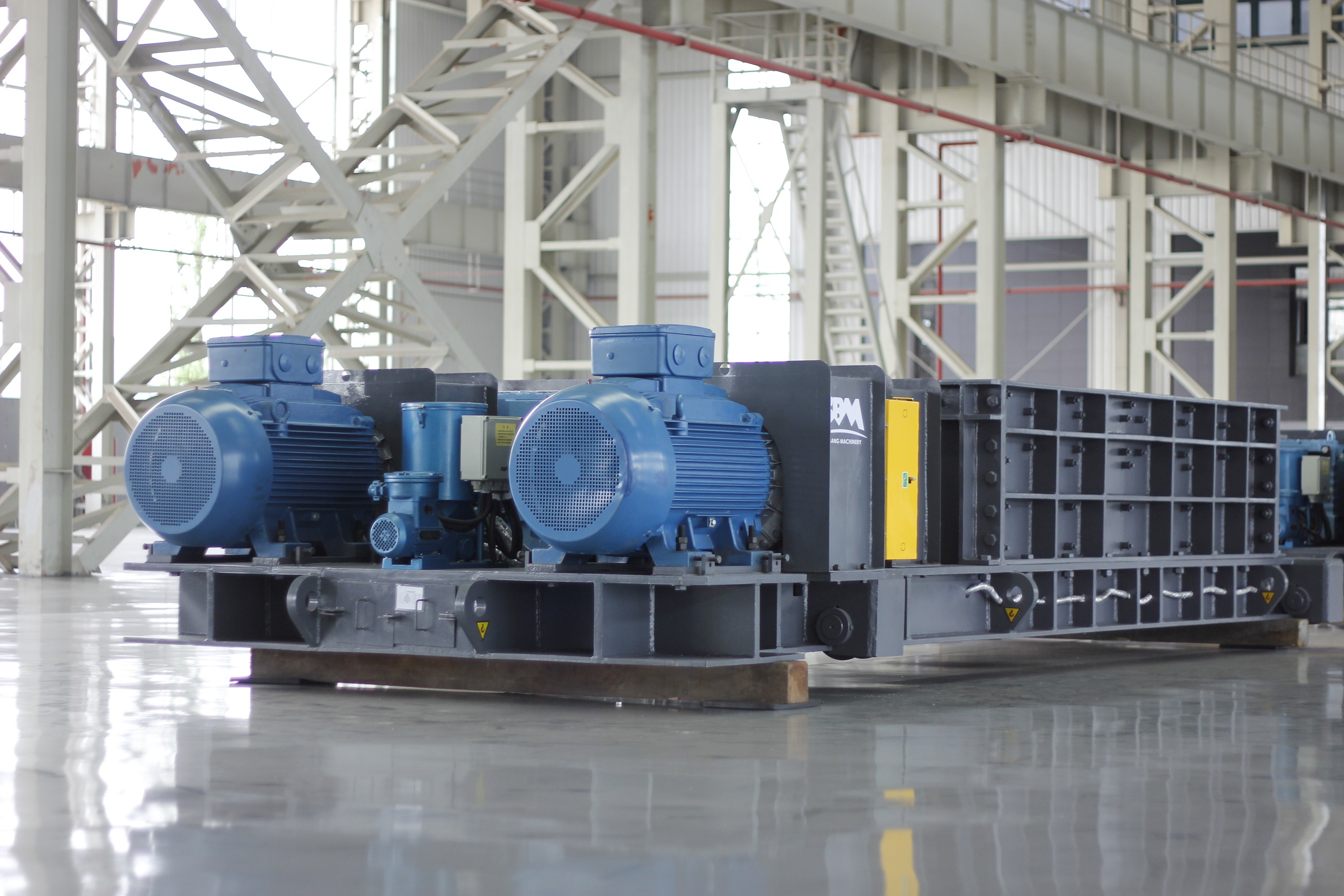
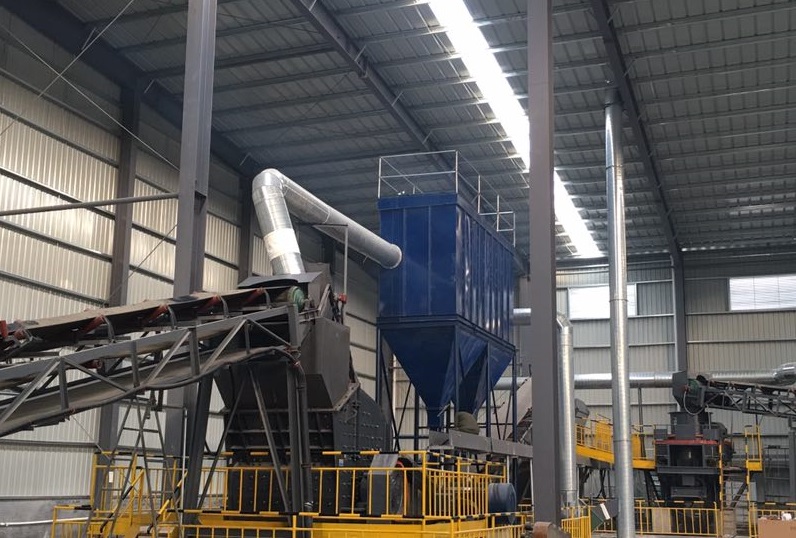
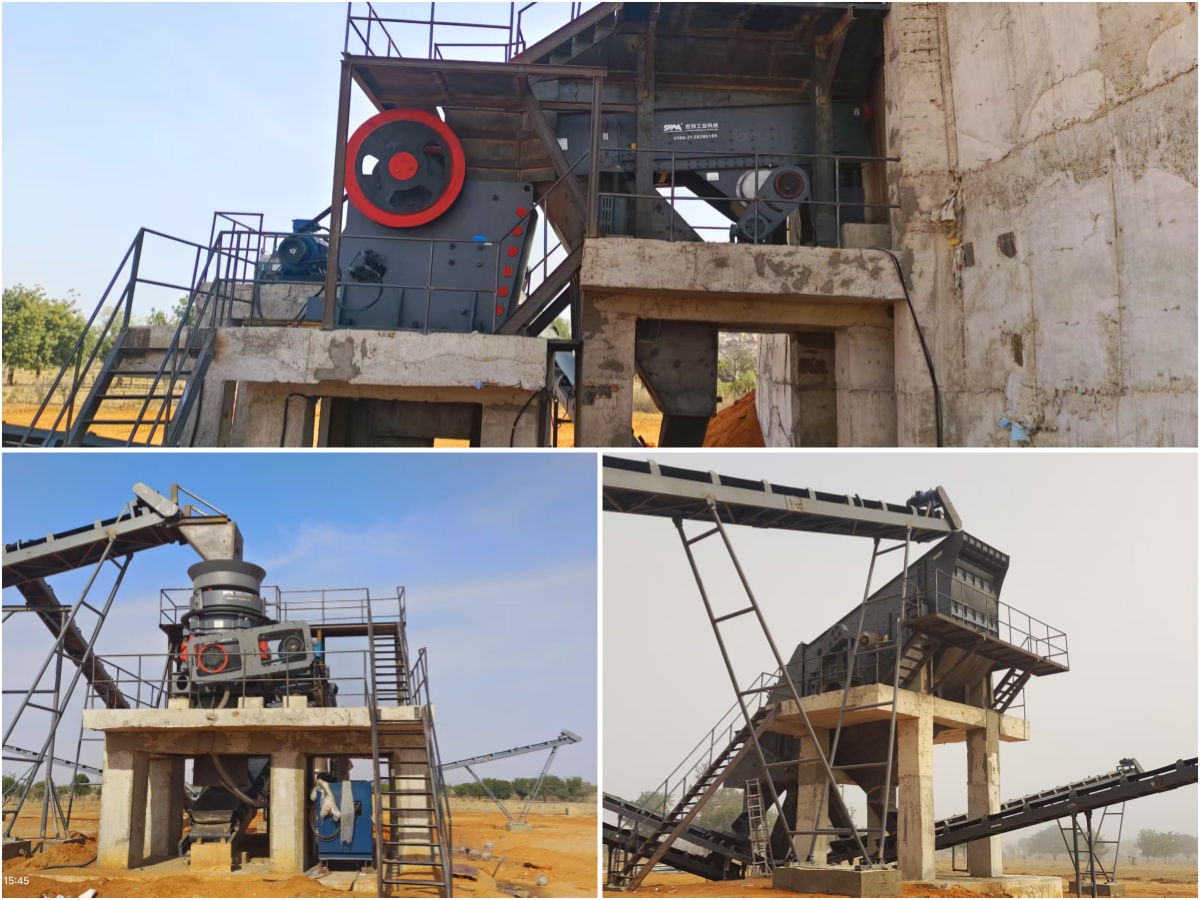
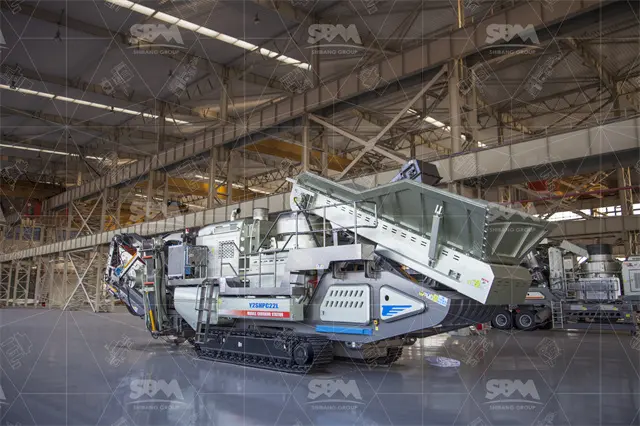
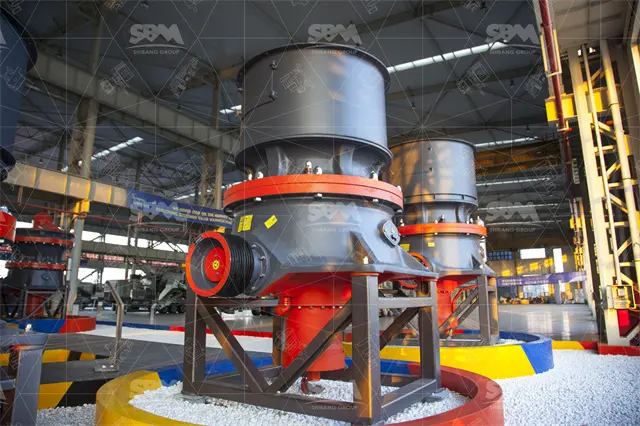
Protecting your grinding asset requires enforcing the fundamental metallurgical rule of crushing more and grinding less. A ball mill should never be used to do the mechanical work of a crusher. By installing high-performance SBM Jaw Crushers for primary reduction followed by multi-cylinder SBM Cone Crushers operating in closed circuit with vibrating screens, plants reduce raw feed top size from twenty millimeters down to below eight millimeters before the ore touches the grinding circuit.
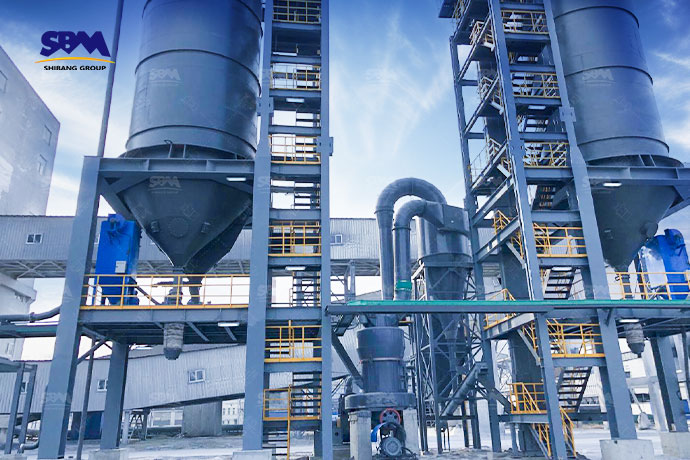
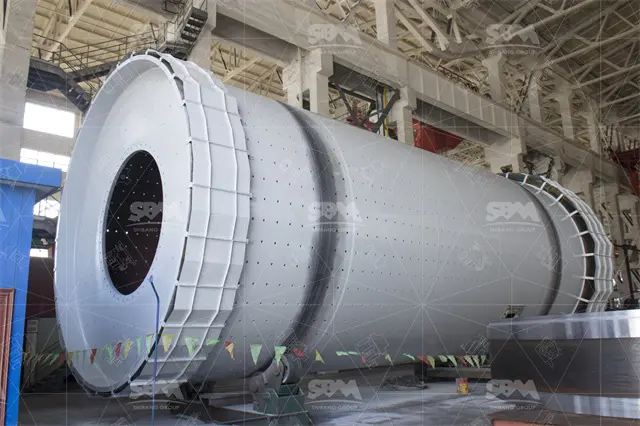
Feeding uniform micro-fractured eight-millimeter rock into an SBM Grate Ball Mill prevents coarse particle accumulation entirely. Grate discharge units utilize internal lifter scoops to positively pump finished ground slurry out of the mill chamber, preventing internal slurry pooling and eliminating belly bulging risks. For secondary ultra-fine grinding stages, SBM Overflow Ball Mills provide extended retention time to polish particles to the exact micron size required for downstream flotation circuits.
Q: How can operators detect ball mill belly bulging fifteen minutes before slurry backs up out of the feed hopper?
A: Plant operators must monitor two real-time indicators simultaneously: acoustic signatures and main motor amperage. Under healthy grinding conditions, falling balls create a crisp metallic impact sound against the rock bed. When bulging initiates, thickening slurry subdues these impacts, transforming the acoustic profile into a dull muffled hum. Concurrently, because the interior charge becomes balanced around the central axis inside the thick paste, lifting resistance drops, causing the main drive motor amperage to drop by five to ten percent below normal operating baseline.
Q: Why does dumping single uniform large diameter steel balls into a mill ruin grinding efficiency?
A: Grinding requires a balanced equilibrium of coarse impact force and fine surface attrition. Large ten-centimeter steel balls possess adequate kinetic energy to shatter coarse rocks, but they leave massive interstitial gaps between spheres where fine sand grains escape untouched. A healthy ball charge requires a scientifically graded mix of large, medium, and small media so that smaller balls fill the void spaces between large balls, providing maximum surface area contact to grind fine particles efficiently.
Q: What is the fundamental difference in overload risk between grate discharge and overflow ball mills?
A: Overflow ball mills rely strictly on natural hydraulic fluid head to push slurry out of the discharge trunnion. If feed slurry density spikes, coarse heavy rocks settle to the bottom of the cylinder and cannot lift up to the overflow lip, creating severe overload vulnerability. Grate discharge mills feature internal discharge grates and radial pulp lifters that actively sweep coarse slurry up and eject it through the trunnion, maintaining low internal slurry levels and providing superior resistance against belly bulging.
Whatsapp:+8617329420102
Email: [email protected]
Address: No. 1688, Gaoke East Road, Pudong new district, Shanghai, China.
Online Service : Get Price
We value your feedback! Please complete the form below so that we can tailor our services to your specific needs.