As average copper head grades plummet globally, inefficient grinding and poor flotation dynamics are silently destroying plant profitability. SBM delivers engineered comminution and separation equipment designed strictly to maximize your copper concentrate grade while slashing your daily power consumption.
Are your rougher flotation cells frothing actively but your final concentrate grade is stubbornly stuck below twenty percent? Does your grinding circuit consume massive amounts of electricity only to produce unrecoverable copper slimes? If you answered yes to either of these questions, your processing plant is bleeding capital.
The global copper mining industry is fighting a brutal war against declining ore quality. Decades ago, miners routinely processed rich copper veins. Today, you are forced to blast harder rock to extract significantly less metal. This geological reality means the volume of raw rock entering your plant has doubled, causing your electrical power draw and chemical reagent costs to skyrocket. To survive and remain profitable, every single machine in your flowsheet must be optimized for maximum efficiency.
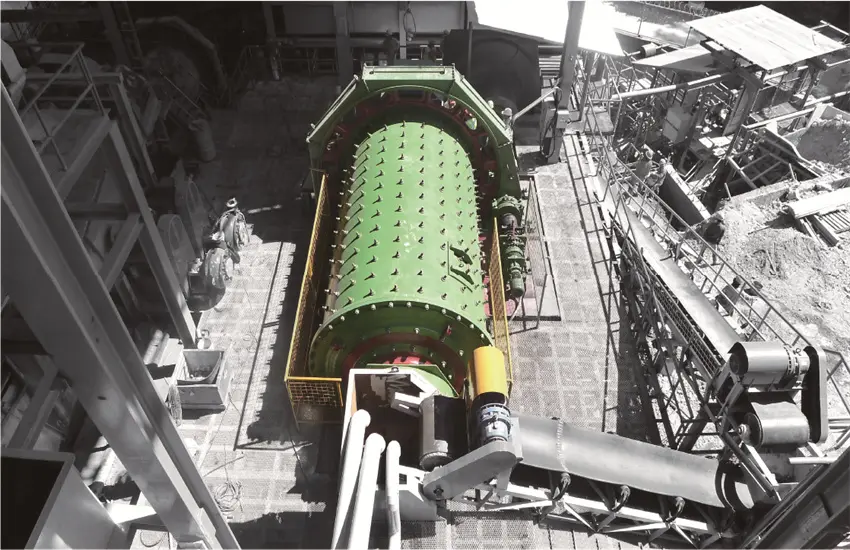
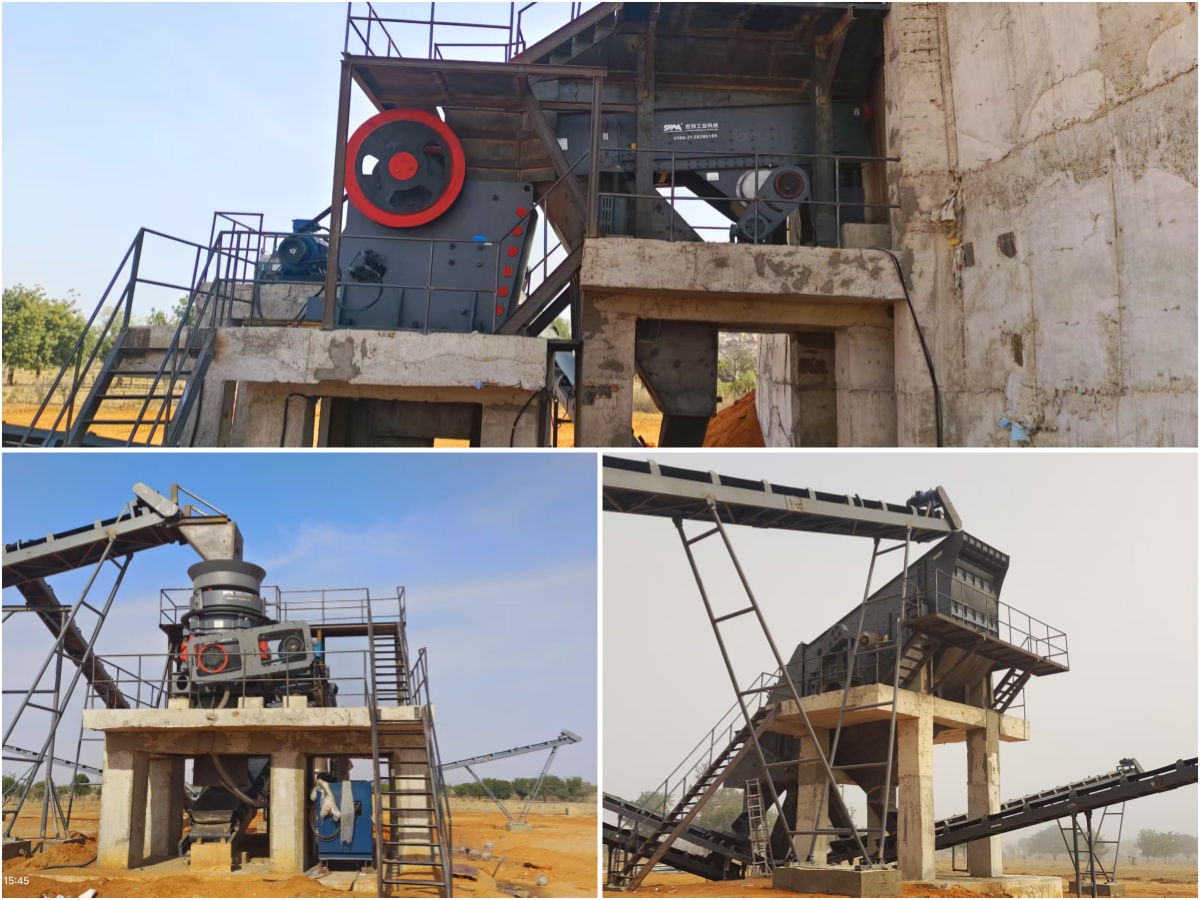
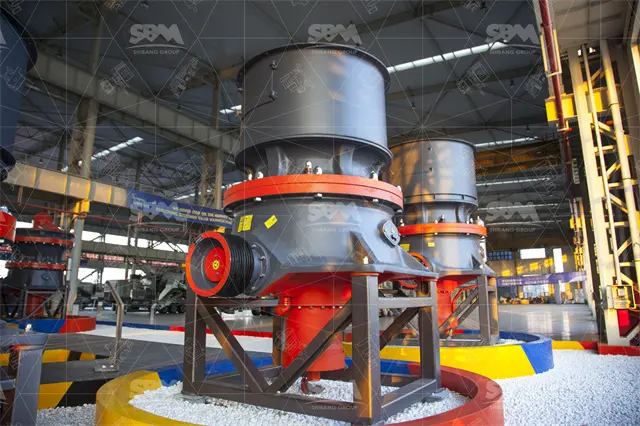
The most expensive mistake a plant manager can make is relying on a ball mill to do the job of a crusher. Comminution is the process of reducing large rocks into fine powder. It accounts for more than half of the total operating cost in a standard copper plant.
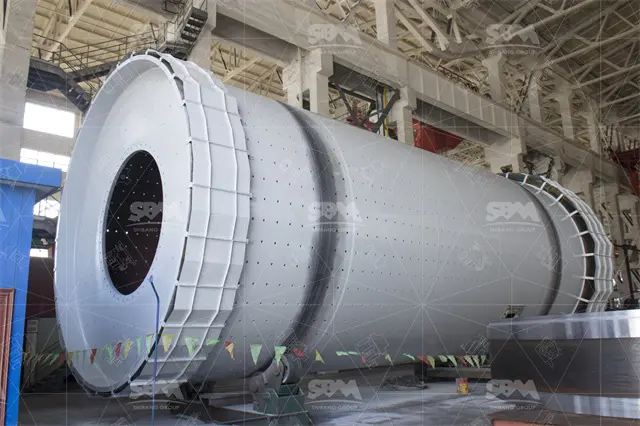
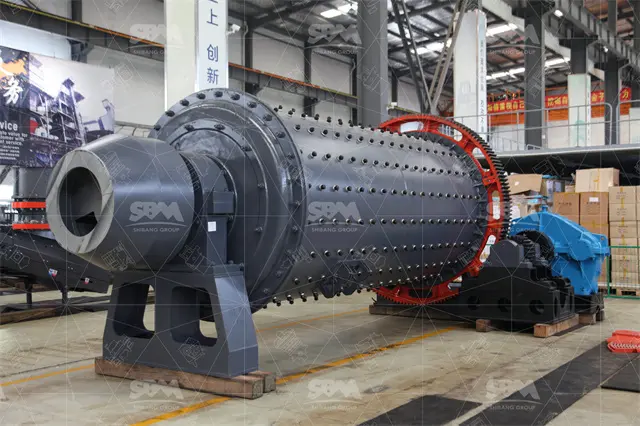
Electrical energy is highly inefficient when used to turn heavy steel grinding balls. By enforcing the strict metallurgical principle of crushing more and grinding less, you can drastically lower your cost per ton. Forcing your crushing circuit to produce a much finer aggregate means your ball mill can run on lower power while increasing its daily throughput.
To separate copper from useless waste rock using flotation chemicals, the copper particles must be physically liberated. However, pushing your grinding mills too hard creates a deadly problem known as over grinding. When copper ore is ground into microscopic slime, these ultra fine particles coat the larger valuable minerals and completely blind the flotation reagents. The result is a massive loss of premium copper directly into your tailings dam.
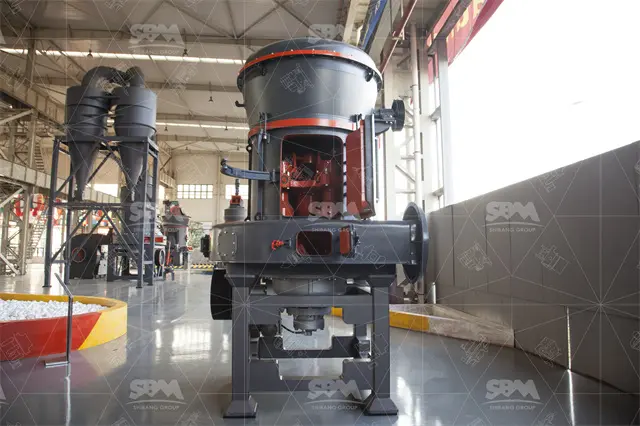
Achieving the perfect particle size requires a flawlessly balanced closed circuit. The slurry leaving your mill must be instantly classified. Perfectly sized particles advance to flotation while coarse rocks are aggressively returned for further grinding. Precision is the only way to protect your profit margin.
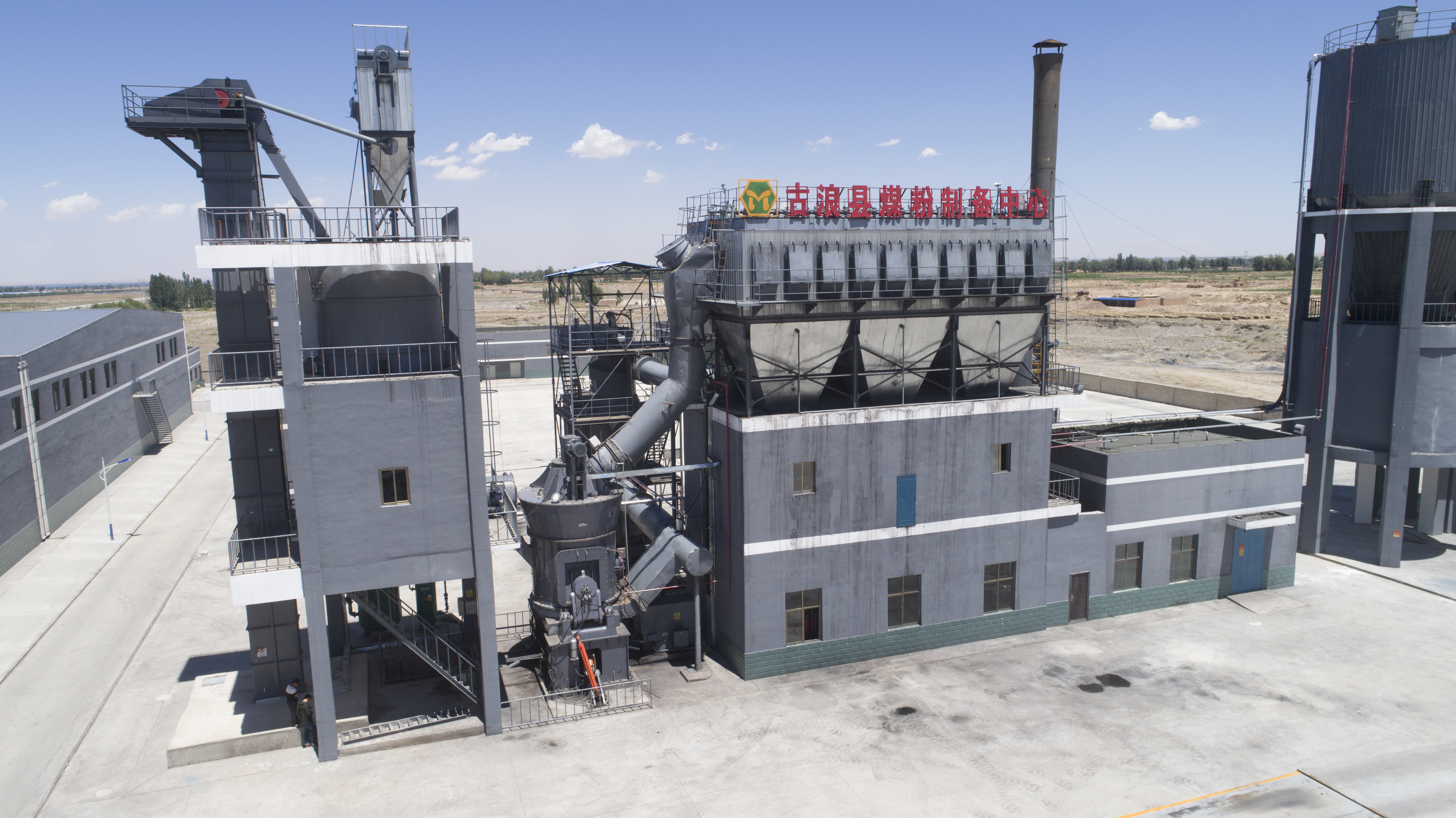
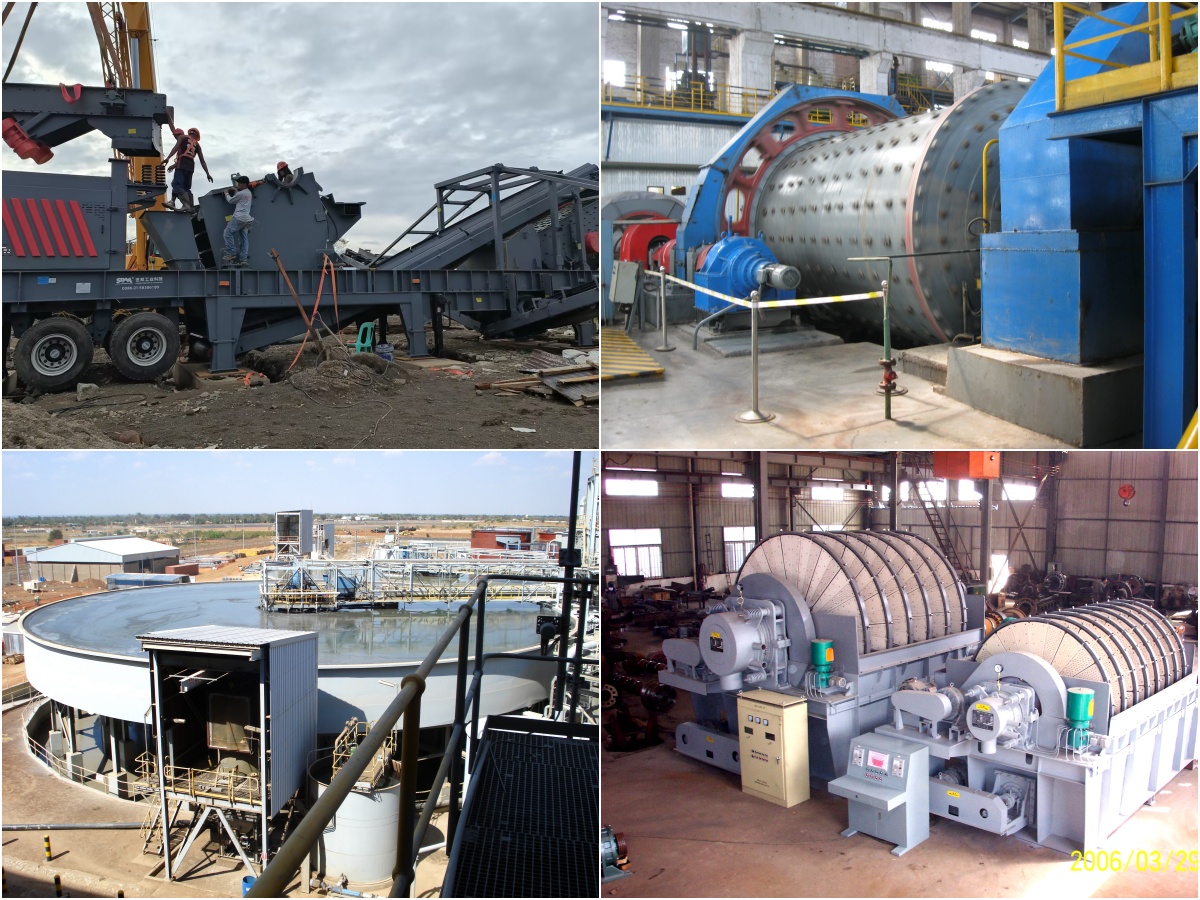
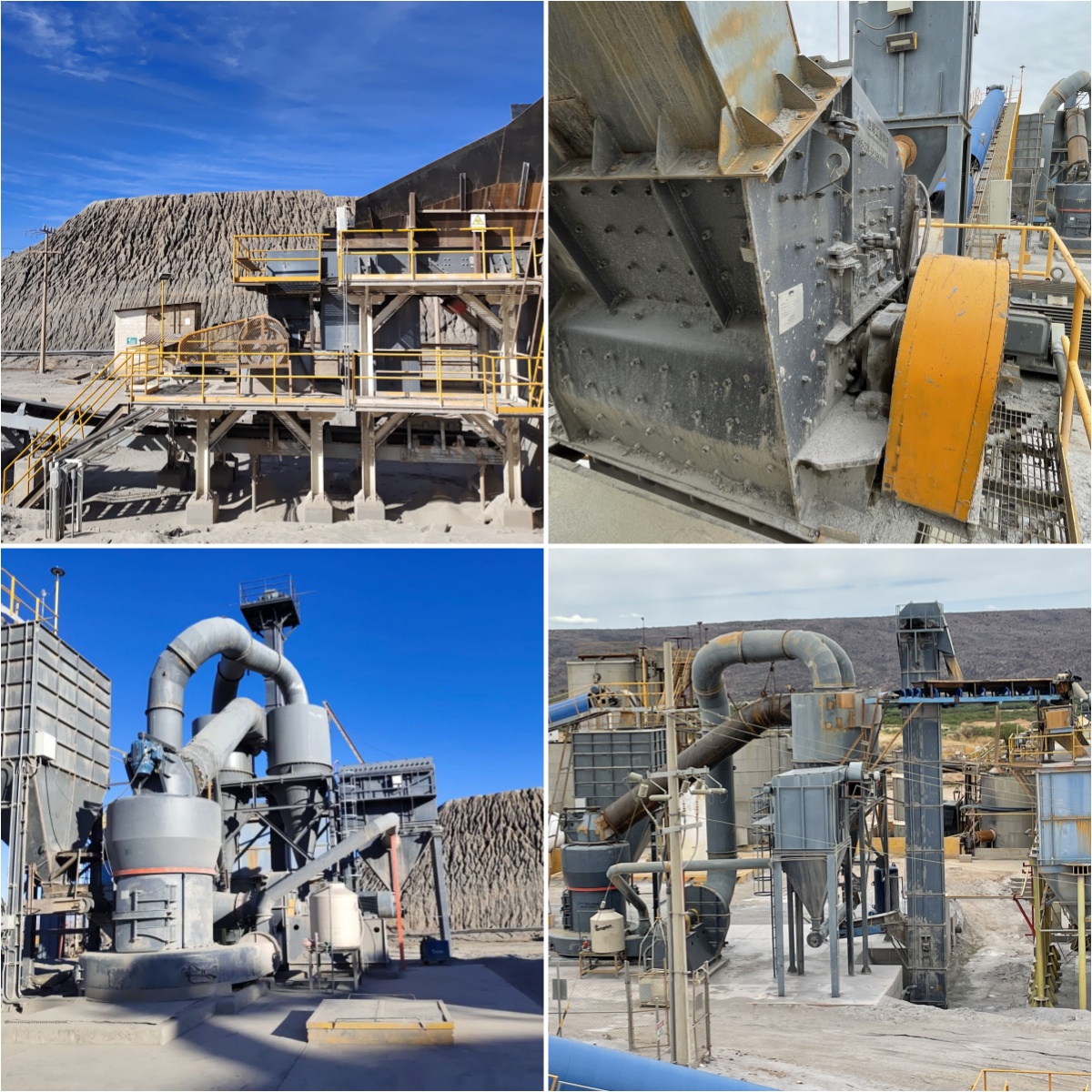
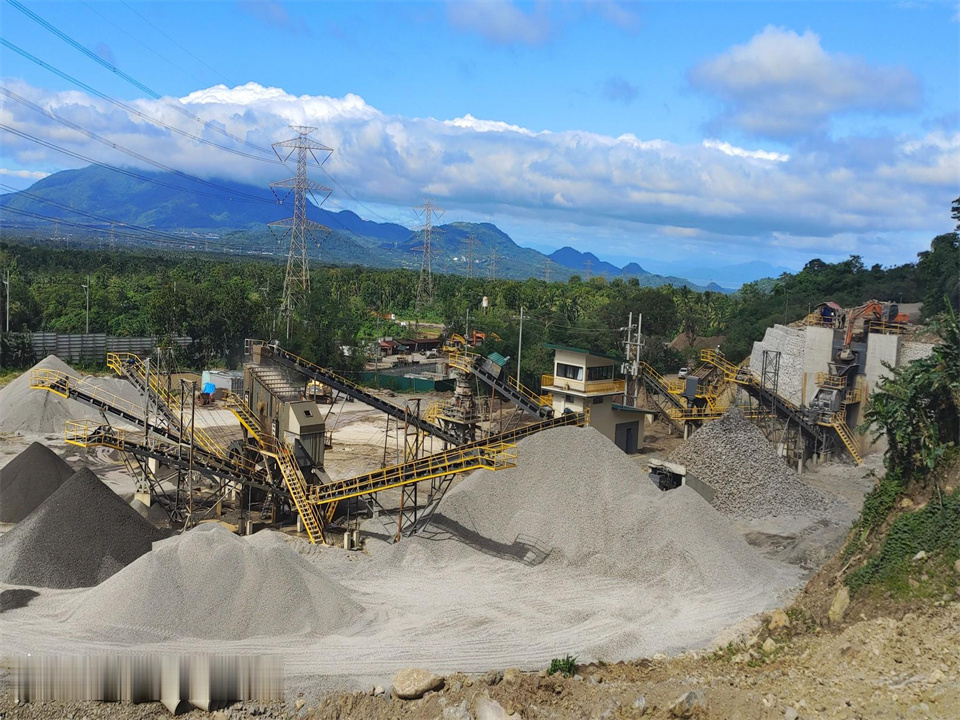
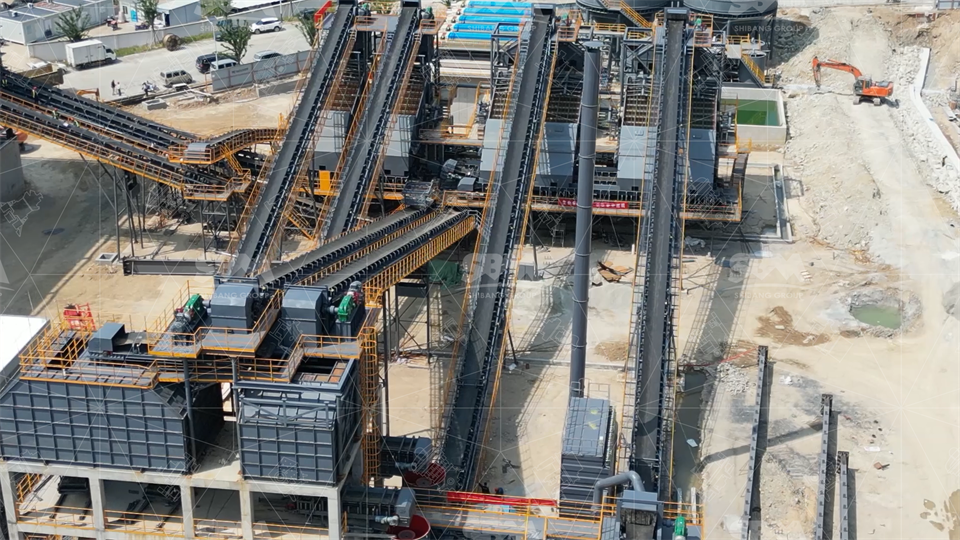
We do not just sell isolated machines. SBM engineers complete copper processing flowsheets designed to lower your operating expenses at every stage. We seamlessly integrate our heavy duty equipment to ensure maximum metal recovery.
Stop losing premium copper to your tailings dam. Contact SBM today to request a comprehensive metallurgical analysis of your ore and let our engineers design a high recovery processing plant for your next project.
Whatsapp:+8617329420102
Email: [email protected]
Address: No. 1688, Gaoke East Road, Pudong new district, Shanghai, China.
Online Service : Get Price
We value your feedback! Please complete the form below so that we can tailor our services to your specific needs.