In the mining sector, molybdenum does not garner the same level of media attention as gold or copper. However, for those involved in steel manufacturing, aerospace, or petrochemical refining, the material’s indispensability is well understood. Molybdenum plays a central role in everything from high-strength alloys and lubricants to catalysts.
Let’s talk through the actual process — the methods that work, the equipment you need, and the numbers you should be running before you commit to a plant investment.
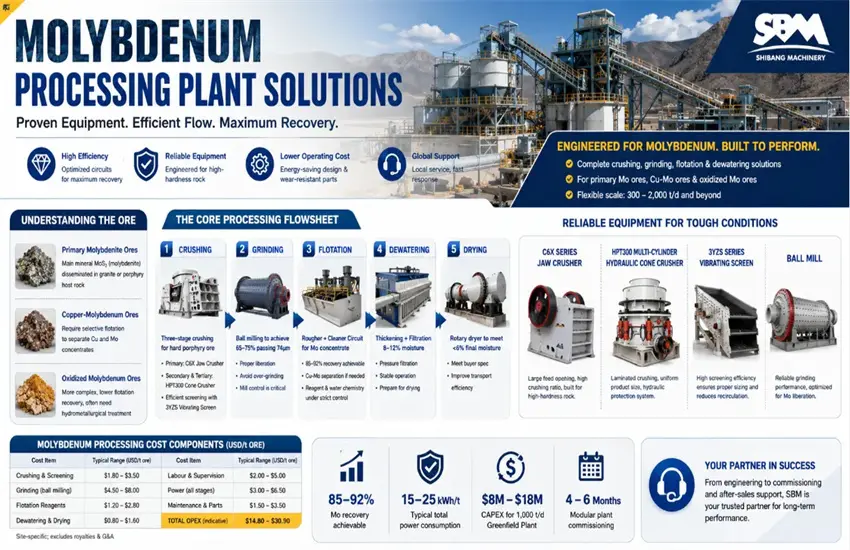
Most molybdenum is recovered from porphyry molybdenum deposits or as a byproduct of copper porphyry mining. Run-of-mine grades typically sit between 0.04% and 0.25% Mo, which means you’re moving a lot of rock to get a relatively small amount of product. That low grade is precisely why your crushing and grinding circuit needs to be dialed in tight — inefficiency at the front end compounds into serious losses downstream.
Primary ore types you’ll encounter:
A standard molybdenum beneficiation plant follows a fairly well-established sequence. The devil, as always, is in the execution.
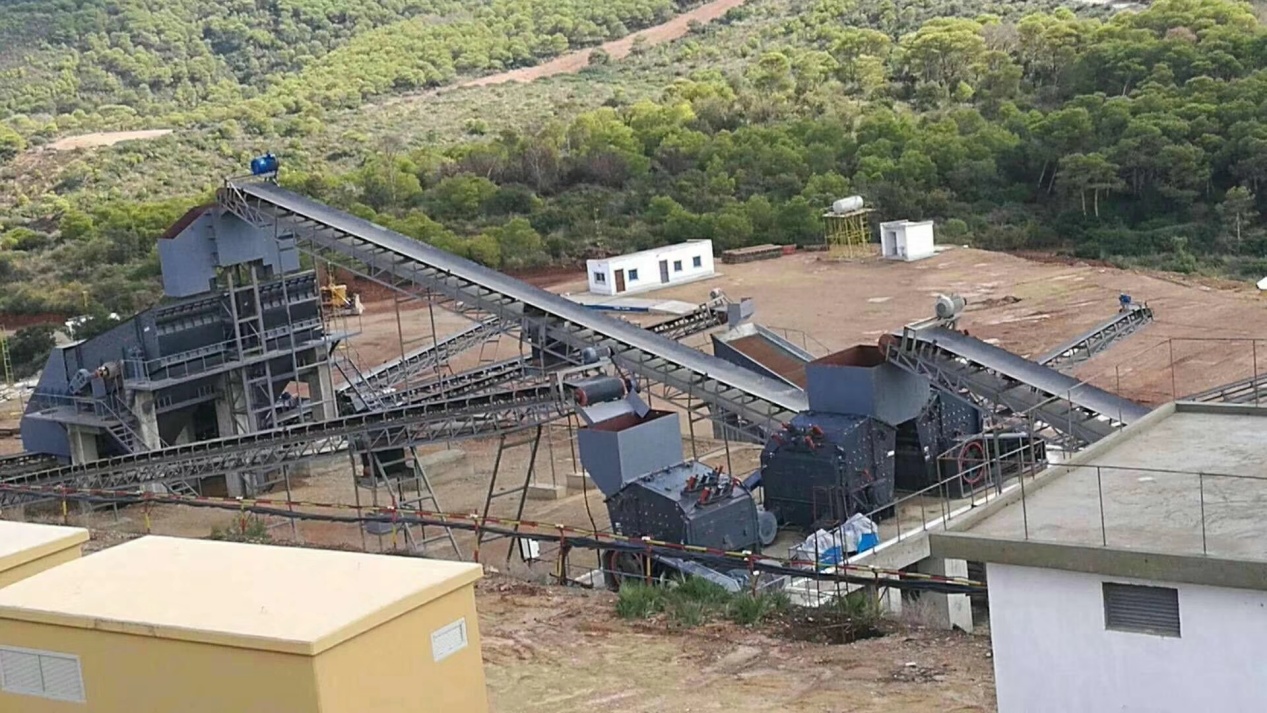
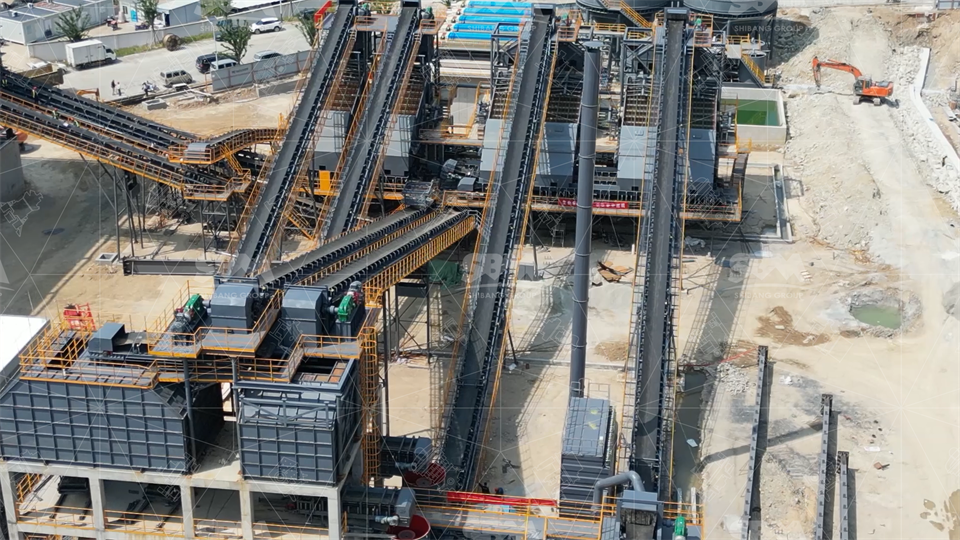
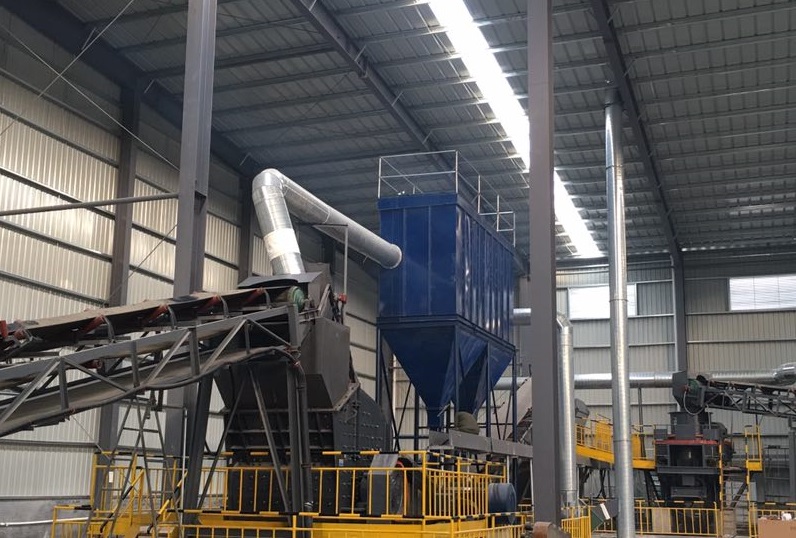
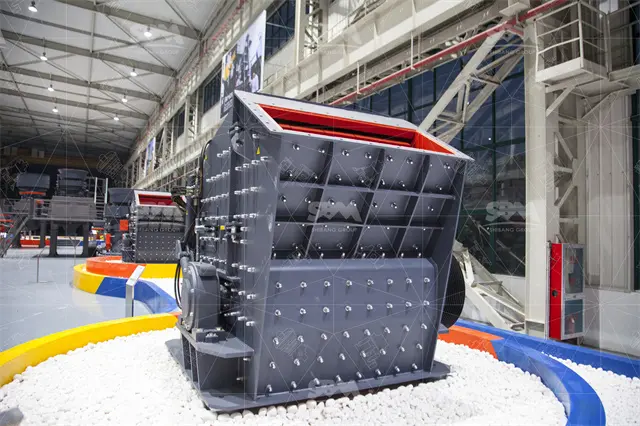
You’re typically looking at a three-stage crushing circuit for hard porphyry ore. Primary crushing handles the coarse ROM feed, secondary and tertiary crushing brings material down to the 10–15mm range suitable for grinding. Molybdenite is a soft mineral (Mohs hardness ~1.5), but the host rock — granite, porphyry — is anything but. You need crushers that can handle high compressive strength material consistently without hammering your maintenance budget.
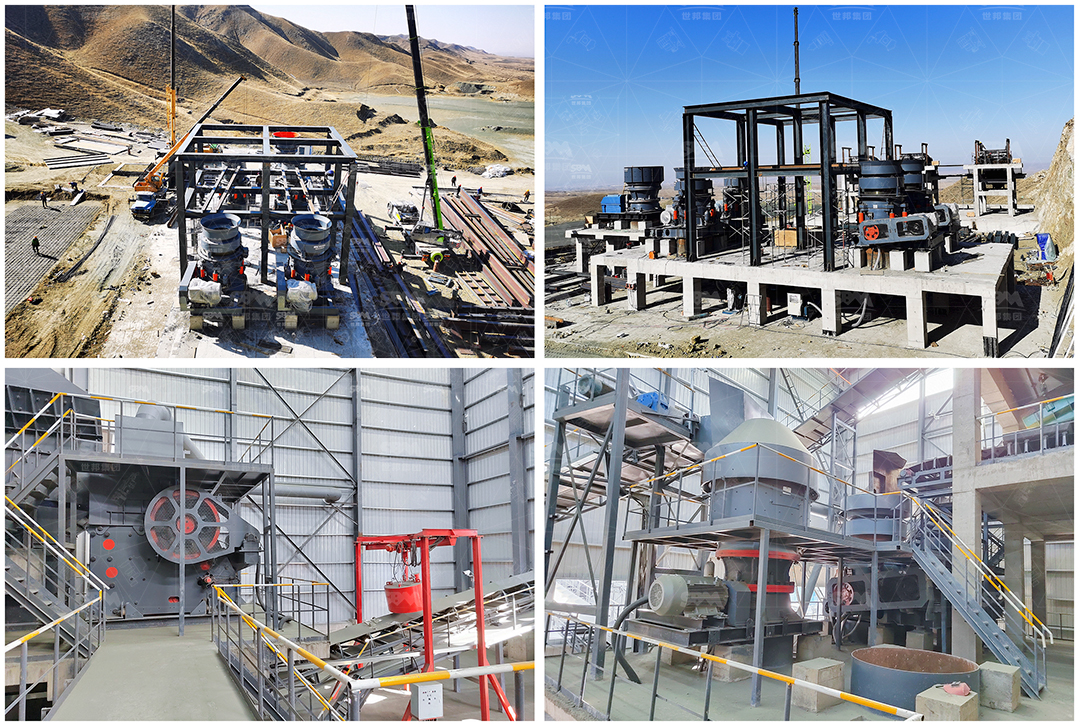
SBM’s C6X Series Jaw Crusher is well-suited for primary crushing duties here. It features a large feed opening, optimized crushing chamber geometry, and a reinforced frame specifically engineered for high-hardness rock — granite and porphyry included. The integrated hydraulic adjustment system makes it straightforward to dial in your discharge size without shutting down the line, which matters when you’re running 24/7 operations. For secondary and tertiary stages, the HPT300 Multi-cylinder Hydraulic Cone Crusher delivers the fine, uniform product size that your ball mill circuit needs. Its laminated crushing principle produces a more cubical particle shape and reduces oversize fraction — both of which translate directly into grinding efficiency gains downstream.
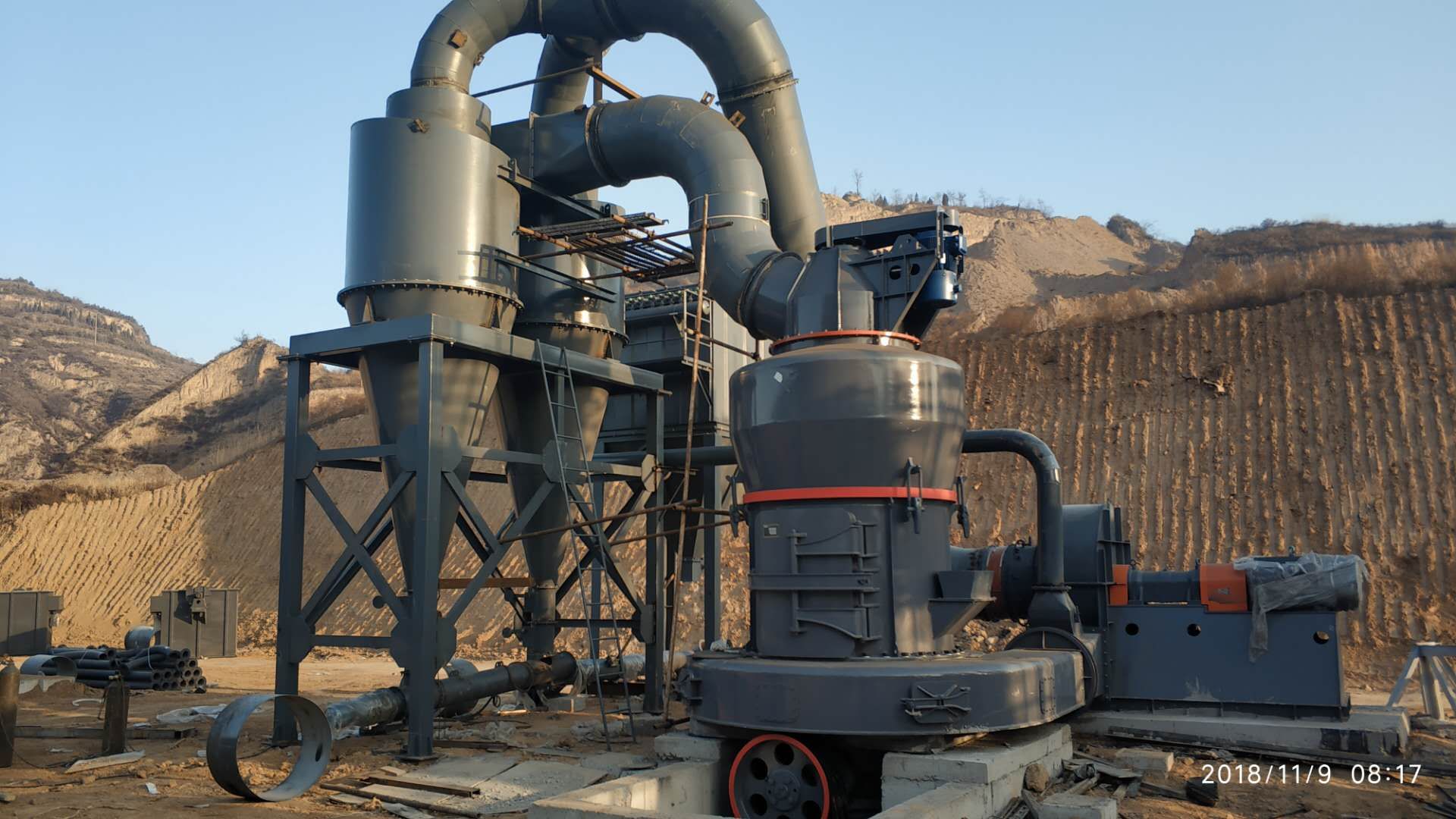
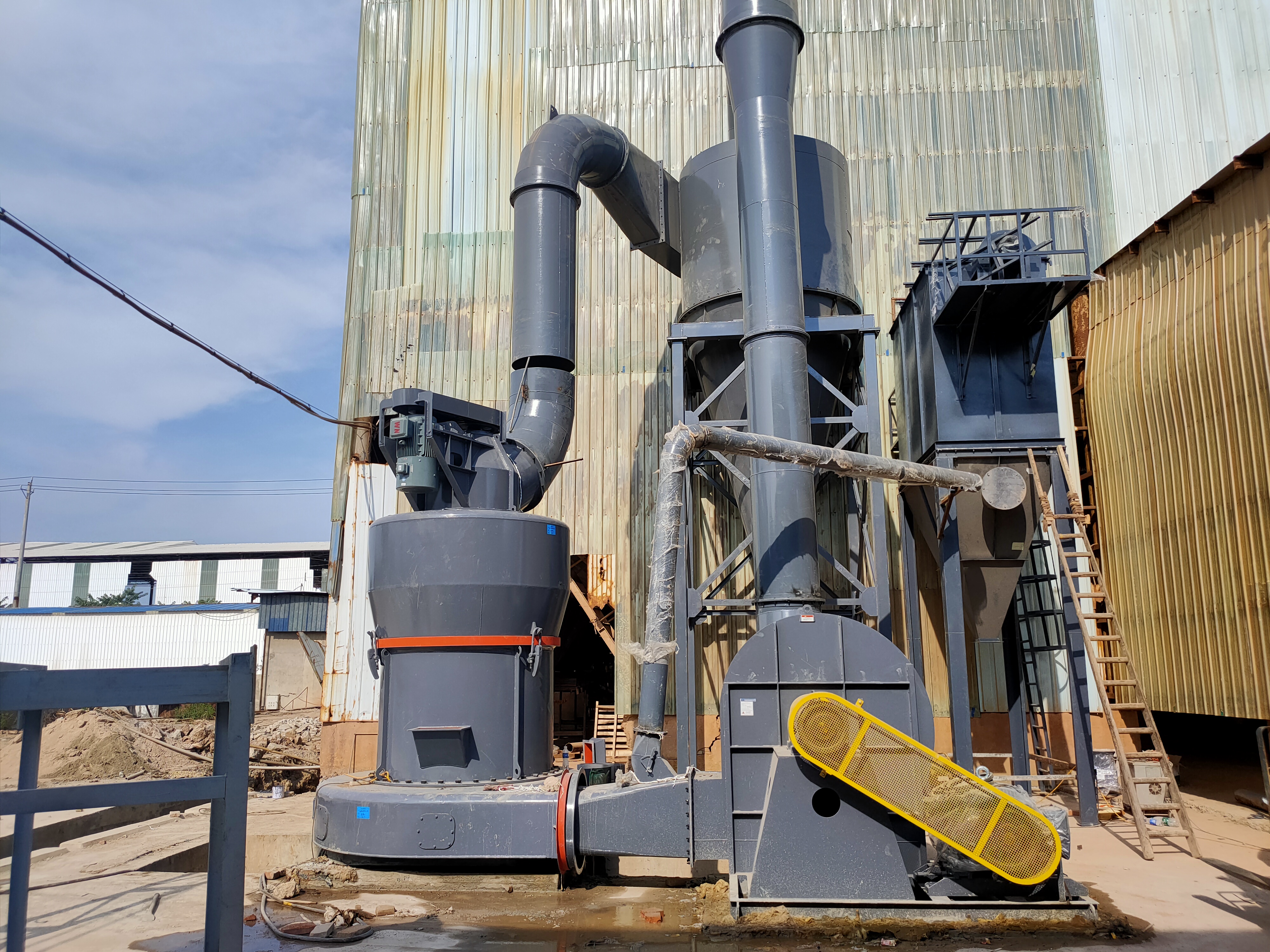
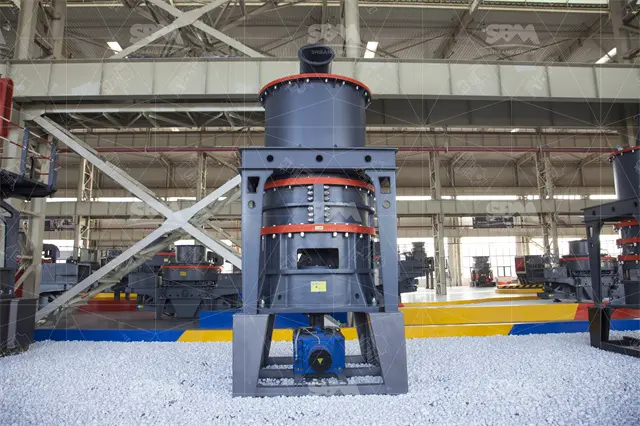
Ball milling is the workhorse of the molybdenum grinding circuit. Target grind size is typically 65–75% passing 74 microns (200 mesh) for adequate liberation of molybdenite from gangue. Over-grinding is a real problem — molybdenite is a layered mineral that can be flattened into slimes under excessive impact, which destroys flotation response. So your mill control matters as much as your mill selection.
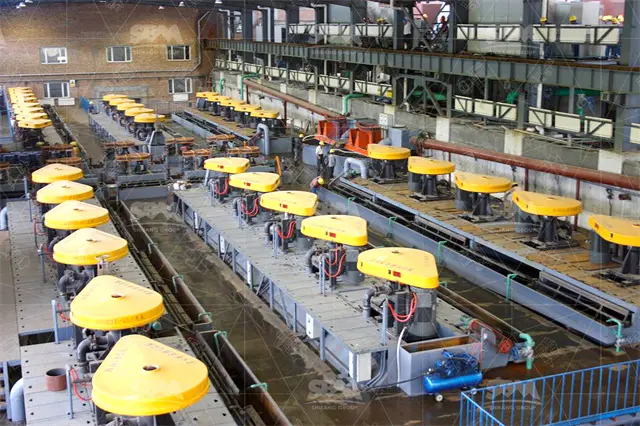
This is where the money is made or lost. Molybdenite is naturally hydrophobic, which makes it one of the more flotation-friendly sulfide minerals — but that doesn’t mean it’s simple.
A typical circuit structure:
Reagent consumption and water chemistry need constant attention. Feed grade variability, clay contamination, and oxidized ore zones will all knock your recovery sideways if you’re not monitoring closely.
Molybdenite concentrate leaves the flotation circuit at around 20–25% solids. Thickening followed by pressure filtration brings moisture down to 8–12% for roasting or direct sale. Final product moisture spec from buyers is usually below 6%, so a rotary dryer is often the last step.
This is what most feasibility studies underestimate. Here’s a realistic range for a mid-scale molybdenum processing plant (500–2,000 t/d feed capacity):
| Cost Item | Typical Range (USD/t ore) | Notes |
|---|---|---|
| Crushing & Screening | $1.80 – $3.50 | Higher for hard porphyry host rock |
| Grinding (ball milling) | $4.50 – $8.00 | Dominant cost item; media and liner wear |
| Flotation Reagents | $1.20 – $2.80 | Varies with ore oxidation level |
| Dewatering & Drying | $0.80 – $1.60 | Depends on final moisture requirement |
| Labour & Supervision | $2.00 – $5.00 | Wide range by geography |
| Power (all stages) | $3.00 – $6.50 | 15–25 kWh/t typical total consumption |
| Maintenance & Parts | $1.50 – $3.50 | Liners, flotation impellers, pump seals |
| Total OPEX (indicative) | $14.80 – $30.90 | Site-specific; excludes royalties & G&A |
Capital costs for a greenfield 1,000 t/d plant run roughly $8M–$18M USD depending on equipment specification, civils complexity, and location logistics. Brownfield upgrades — adding Mo recovery to an existing copper circuit, for example — can be significantly cheaper.
After visiting a fair number of these plants over the years, the same issues keep coming up. Poor liberation at the crushing stage — usually because someone skimped on tertiary crushing and dumped coarse feed into the mill. Over-grinding, which slimes the molybdenite and tanks flotation recovery. Reagent dosing on auto-pilot with no adjustment for ore variability. And dewatering bottlenecks that force the plant to throttle feed rate.
The SBM 3YZS Series Vibrating Screen plays a critical role in controlling product size distribution between crushing stages — proper screening ensures you’re not recirculating oversize through the cone crusher unnecessarily, which both wastes energy and increases wear. Getting the screening efficiency right is one of those unglamorous details that separates a well-running plant from a constantly-struggling one.
Whatsapp:+8617329420102
Email: [email protected]
Address: No. 1688, Gaoke East Road, Pudong new district, Shanghai, China.
Online Service : Get Price
We value your feedback! Please complete the form below so that we can tailor our services to your specific needs.