Let’s be honest here. When someone types “600TPH river pebble sand line investment cost” into Google, they aren’t just looking for a single sticker price. They want to know how much capital they need to clear from their credit lines before the concrete foundation is even poured. If you are planning a high-capacity project of 600 tons per hour, you already know that river pebble is an excellent, high-hardness raw material for manufactured sand. But you also know it is highly abrasive, which can eat your profit margins alive if your plant configuration is wrong.
As an engineer who has spent over two decades on aggregate sites, I can tell you that a 600TPH setup is a serious factory. You cannot just buy a random assortment of machines and hope they click together. It requires a balanced, heavy-duty circuit that optimizes cost per ton, not just the initial purchase price.
An industrial sand-making line of this scale involves several distinct cost centers. To make it easier to visualize, we can divide the total investment into hardware, civil works, and operational readiness, let’s look at how the budget is typically split:
| Investment Category | Estimated Share (%) | Key Components Included |
|---|---|---|
| Primary & Secondary Crushing Core | 35% – 40% | Heavy-duty Jaw Crusher, High-efficiency Cone Crusher |
| Sand Making & Reshaping System | 25% – 30% | VSI Sand Making Machine, Air Classification / Washers |
| Screening & Materials Handling | 15% – 20% | Heavy Vibrating Screens, Multi-ply Belt Conveyors, Feeders |
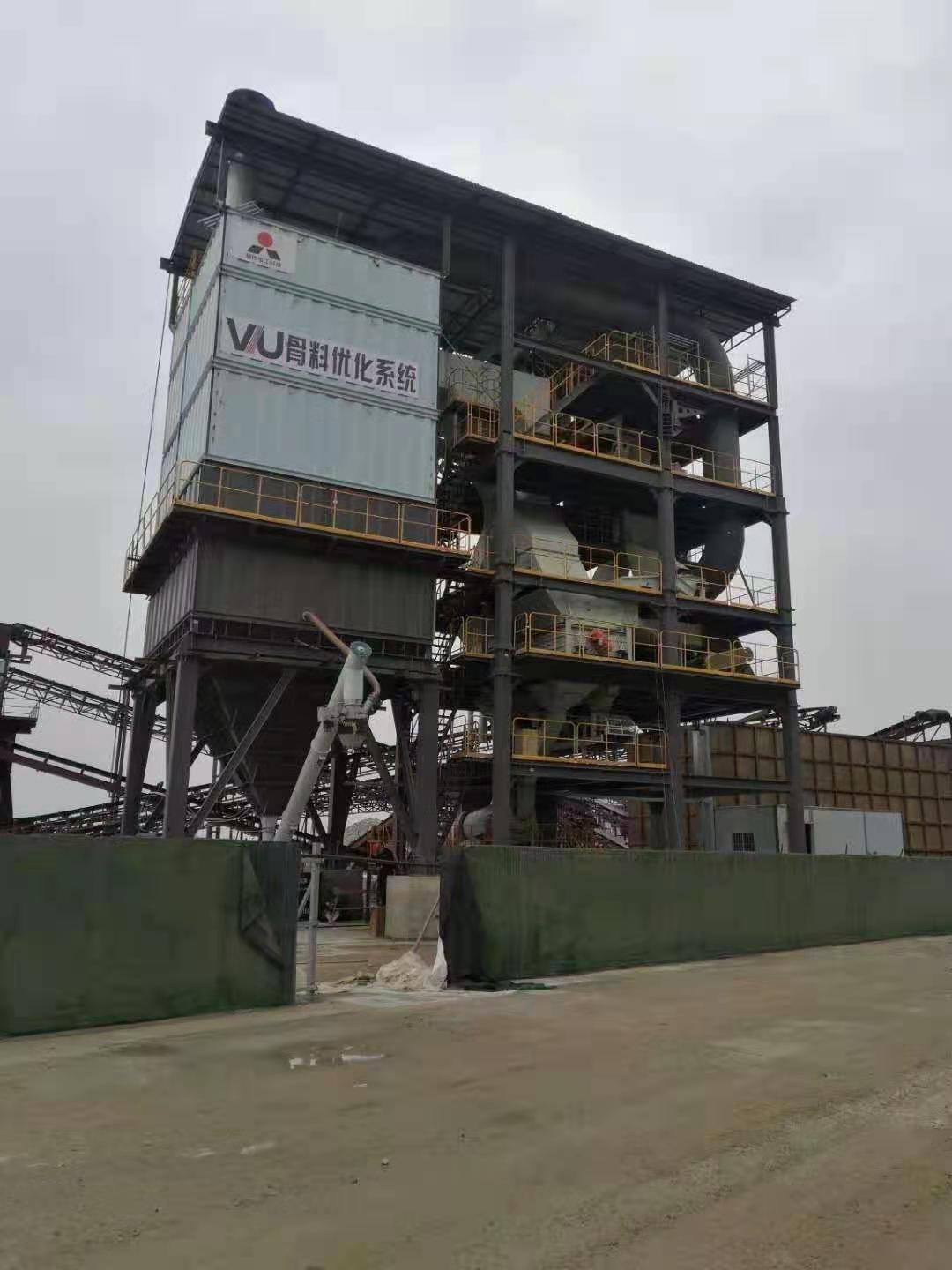
| Civil Engineering & Infrastructure | 10% – 15% | Concrete foundations, steel structures, control room, wiring |
The total investment for a premium SBM setup at 600TPH generally ranges from $1.2 million to $2.5 million USD for the equipment package alone, depending heavily on your automation level and environmental enclosure requirements. Why such a wide range?? Because nature doesn’t standardize river pebbles. If your feed size is consistently below 300mm, we can skip certain primary crushing steps. If you have huge boulders up to 800mm, your primary section needs a massive structural upgrade.
River pebble contains high amounts of silicon. It is hard, tough, and highly abrasive. If anyone tries to sell you an impact crusher for the secondary stage of a pebble line, change the topic immediately. You will change blow bars every three days and go broke. For a 600TPH river pebble line, SBM engineers utilize a classic three-stage crushing and shaping philosophy to minimize wear and maximize cubical sand yield.
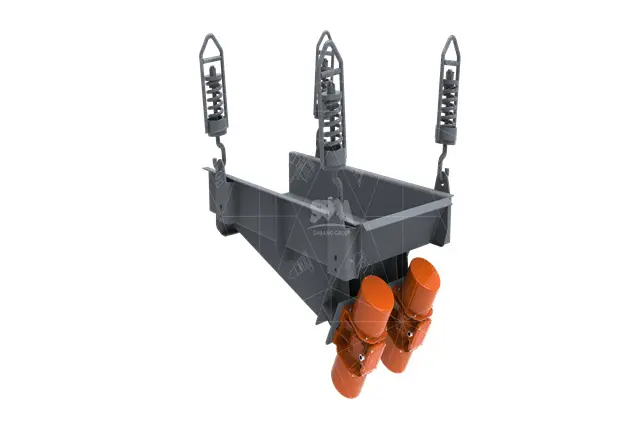
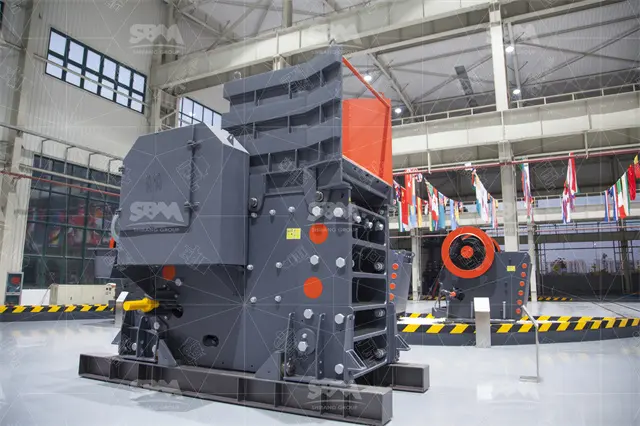
The raw river pebble is dumped directly into a heavy-duty vibrating feeder. The oversized material goes straight into the PE Series Jaw Crusher. This machine handles the brute-force reduction, crushing large boulders down to a manageable size. SBM’s PE series is built with extra-thick manganese jaw plates and a forged eccentric shaft, which is exactly what you need when dealing with high-hardness stones day in and day out.
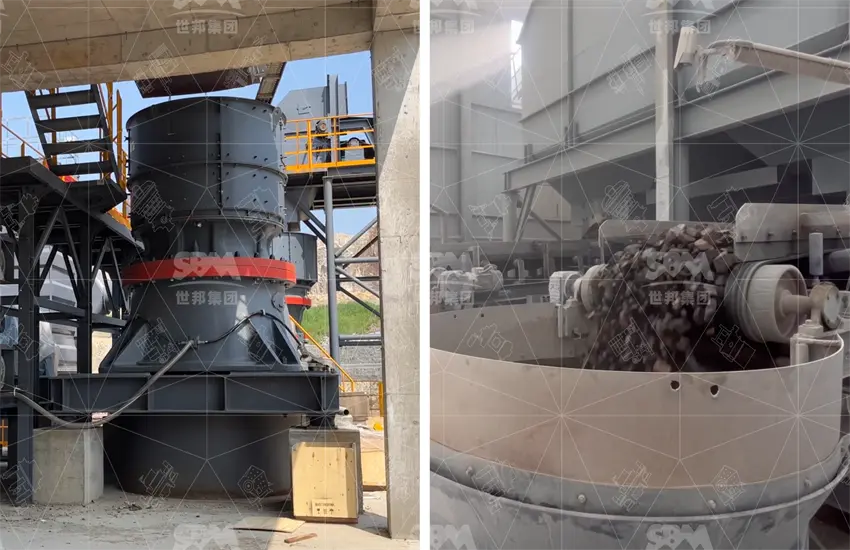
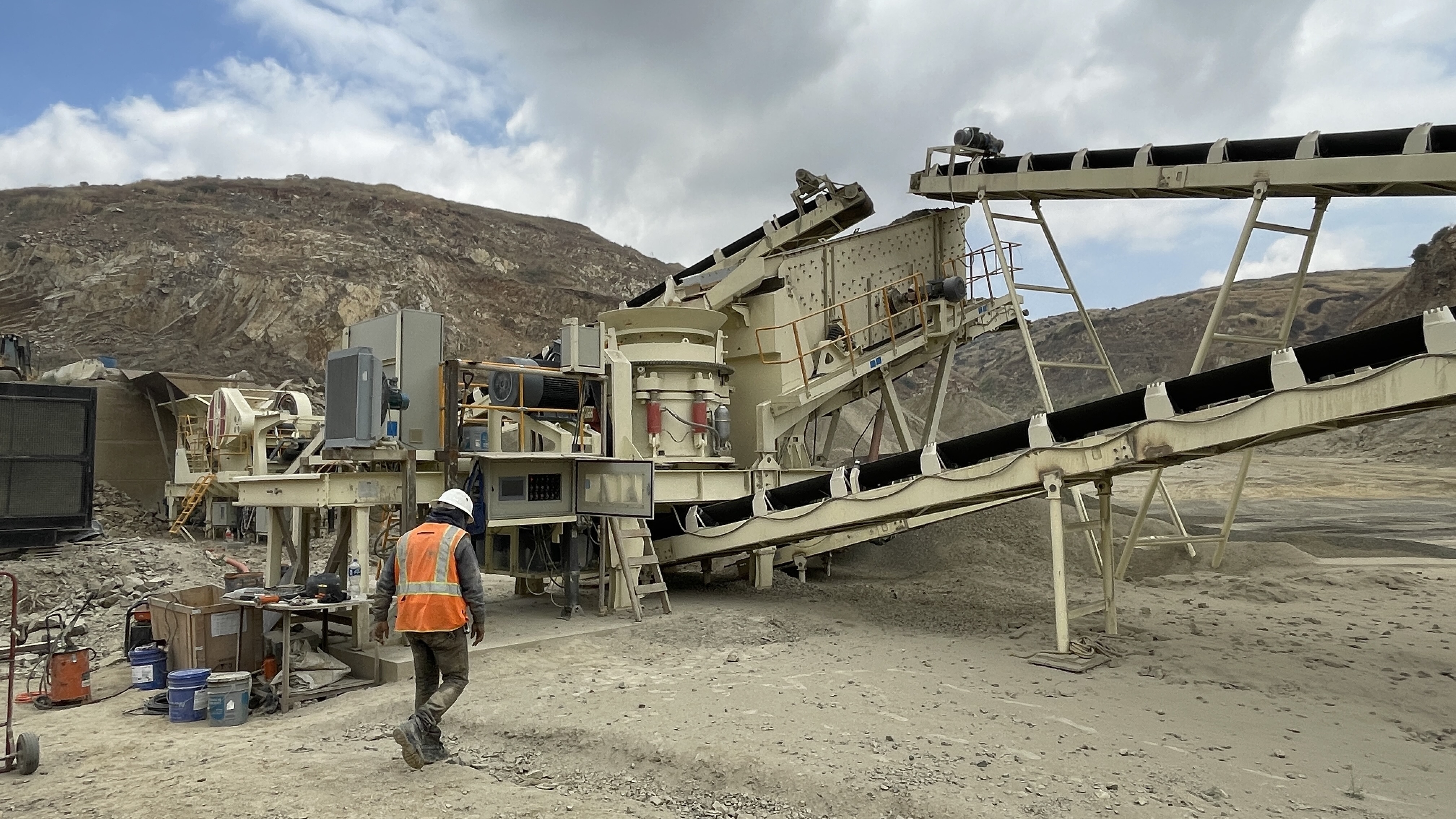
Once the material passes the jaw crusher, it goes via belt conveyor to the secondary stage. Here, we implement an SBM high-efficiency hydraulic cone crusher. Cone crushers use inter-particle crushing principles, meaning the stones crush each other inside the chamber rather than just wearing down the steel liners. This keeps your operational costs per ton incredibly low compared to other methods.
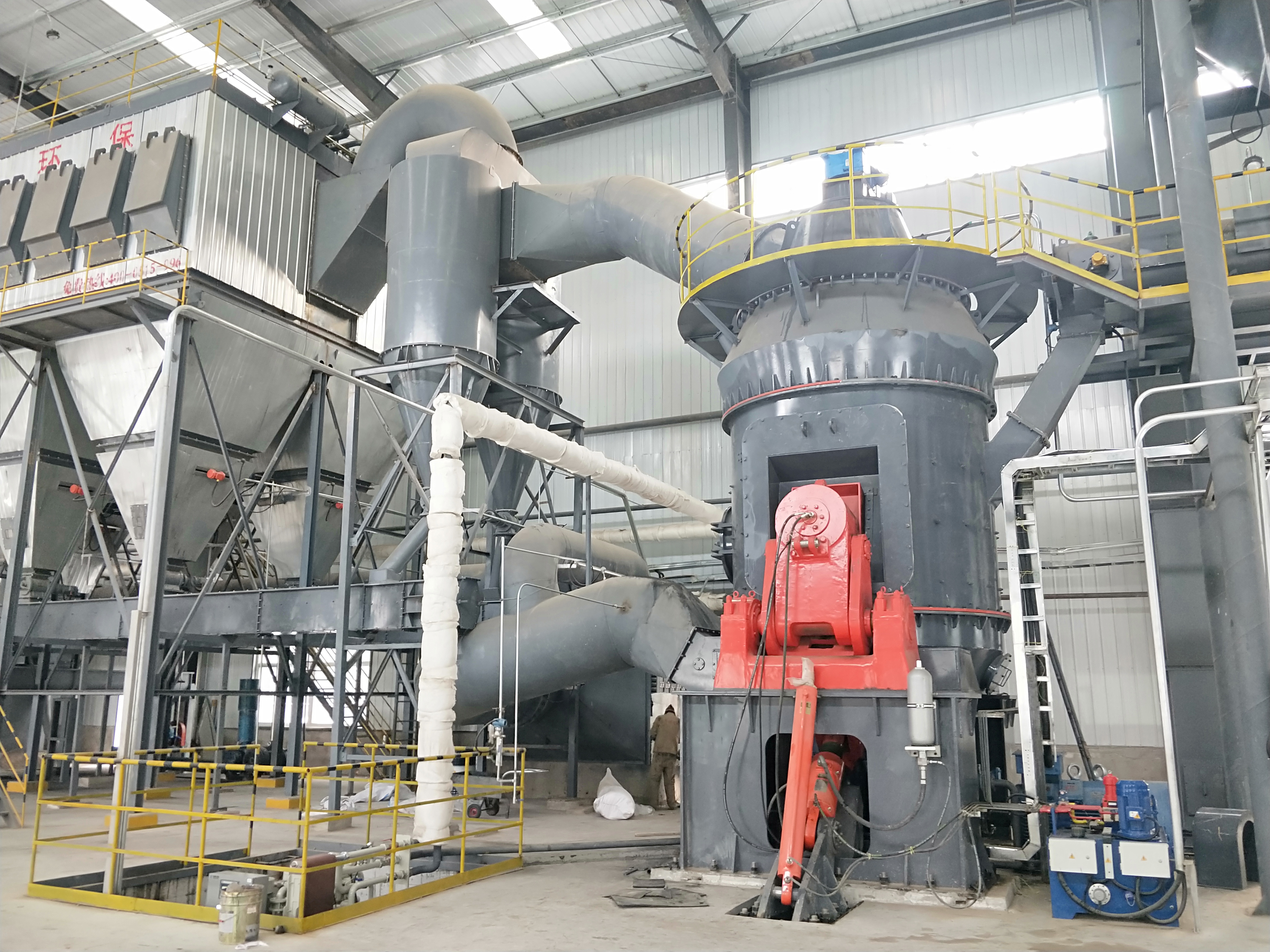
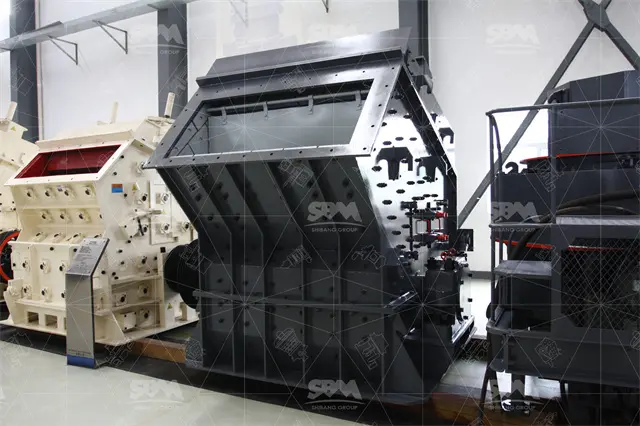
The material under 40mm is then fed into the core of the plant: the SBM VSI Sand Making Machine (Vertical Shaft Impeller). This machine uses a “rock-on-rock” or “rock-on-iron” design to throw the pebbles at extreme velocities. It shapes the particles into perfect, cubical concrete sand that meets strict ASTM or international construction standards. Anything larger than 5mm is screened out and sent back to the VSI in a closed-loop system.
Engineer’s Note: The invoice from the equipment manufacturer is never your final cost. Do not make the mistake of forgetting the peripheral expenses that come with a 600TPH site installation.
To give you a clearer picture of how a 600TPH system is organized technically, here is a breakdown of the standard equipment sizing used in a typical high-capacity pebble processing line:
| Process Stage | Equipment Type | Key Advantage for River Pebble |
|---|---|---|
| Primary Reduction | PE Series Jaw Crusher | Deep crushing cavity, high reduction ratio, optimized nip angle |
| Secondary Crushing | Hydraulic Cone Crusher | All-hydraulic control, overload protection, high manganese liners | VSI Sand Making Machine | Deep-rotor design, optimized material flow, excellent cubical shaping |
| Classification | Heavy Vibrating Screens | High screening efficiency, adjustable amplitude, robust eccentric blocks |
A: This is one of the first things we clarify. SBM customizes the electric motors, control cabinets, and soft starters to match your local grid perfectly—whether it is 380V/50Hz, 440V/60Hz, or medium-voltage setups like 4160V. Everything is wired to industrial standards before shipment, so you don’t face compatibility issues on-site.
A: River pebble is highly abrasive due to high quartz content. In a standard 2-shift operation, jaw plates typically last 4 to 6 months, cone crusher liners last 3 to 5 months, and the distributor cone and wear blocks in the VSI Sand Making Machine need inspection every 70 to 120 working hours. SBM uses premium alloy wear components to maximize these intervals.
A: Yes, completely free as part of the project contract. Our engineering team provides custom 3D layouts, civil foundation blueprints, and electrical schematic designs tailored to your specific terrain. Your local civil contractors can build directly from our engineering drawings.
A: It depends on your water access and environmental laws. Wet processing uses sand washers to remove clay, giving you exceptionally clean sand, but requires water recycling systems and settling ponds. Dry processing uses an SBM air classifier system to separate fine dust, which requires no water and works perfectly in arid regions, but requires good dust collection enclosures.
A: A 600TPH plant is a major logistical undertaking, usually requiring 15 to 25 ocean containers (mix of open tops and standard 40HC containers). SBM handles all export documentation, commercial invoices, packing lists, and certificates of origin. We ship under standard Incoterms (FOB, CIF, or CFR) and coordinate closely with your local freight forwarder to ensure smooth customs clearance.
A:For technical issues, we offer 24/7 remote diagnostic support, and our field engineers can be deployed to your site if a physical intervention is required.
Whatsapp:+8617329420102
Email: [email protected]
Address: No. 1688, Gaoke East Road, Pudong new district, Shanghai, China.
Online Service : Get Price
We value your feedback! Please complete the form below so that we can tailor our services to your specific needs.