The global lithium industry is expanding rapidly. Driven by the sustained growth in demand for electric vehicles, mining companies face pressure to supply increasing quantities of stable, high-quality lithium concentrate. Selecting the right processing equipment is no longer merely a technical decision; it directly impacts operating costs, recovery rates, energy consumption, and project profitability.
China is one of the most important destinations for the procurement of mineral processing equipment. Among the many leading suppliers, SBM has garnered significant attention from customers thanks to its reliable solutions for crushing, grinding, and mineral processing.
Lithium deposits are not all the same. Some projects process spodumene, while others deal with lepidolite or mixed lithium-bearing ores. Ore hardness, moisture content, feed size, and target concentrate grade can vary significantly.
That means a standard aggregate crushing plant is usually not enough.
A successful lithium processing line must achieve several goals at the same time:
Many project owners discover this after commissioning. The equipment may run, but the recovery rate is lower than expected, or operating costs become difficult to control. That’s where proper process design becomes critical.
Most hard-rock lithium projects follow a relatively similar process route:
Each stage influences the next. A poorly designed crushing circuit can increase grinding costs dramatically. Likewise, insufficient liberation may reduce concentrate quality and recovery.
This is why experienced equipment manufacturers usually focus not only on individual machines but also on the overall process integration.
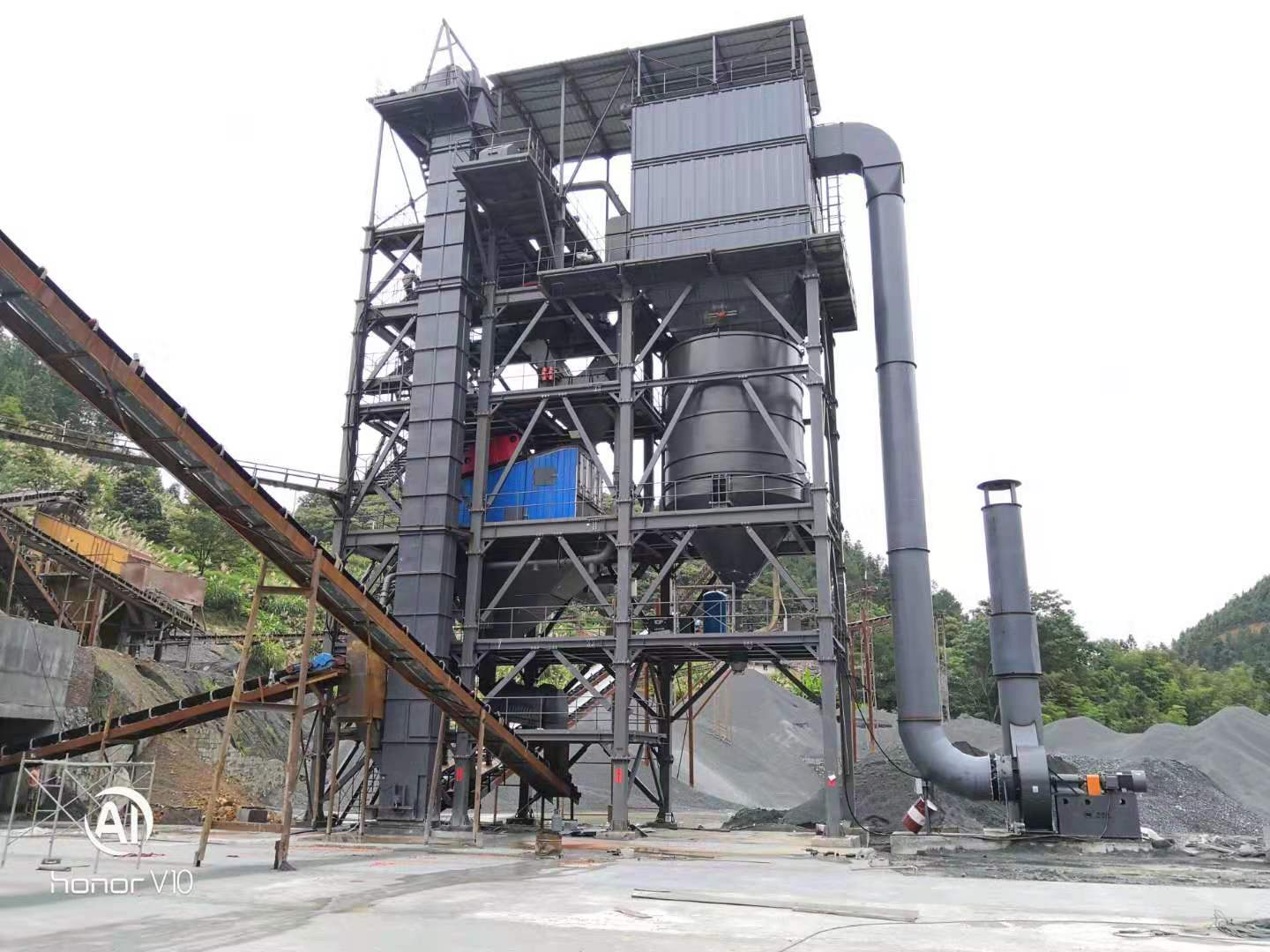
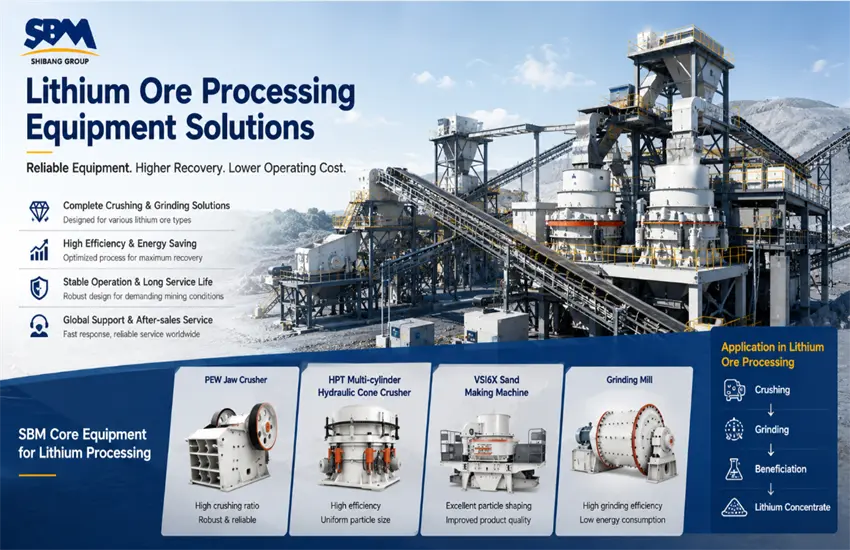
SBM provides a range of equipment that can be integrated into lithium ore processing circuits. Depending on ore characteristics and capacity requirements, customers often select different equipment combinations.
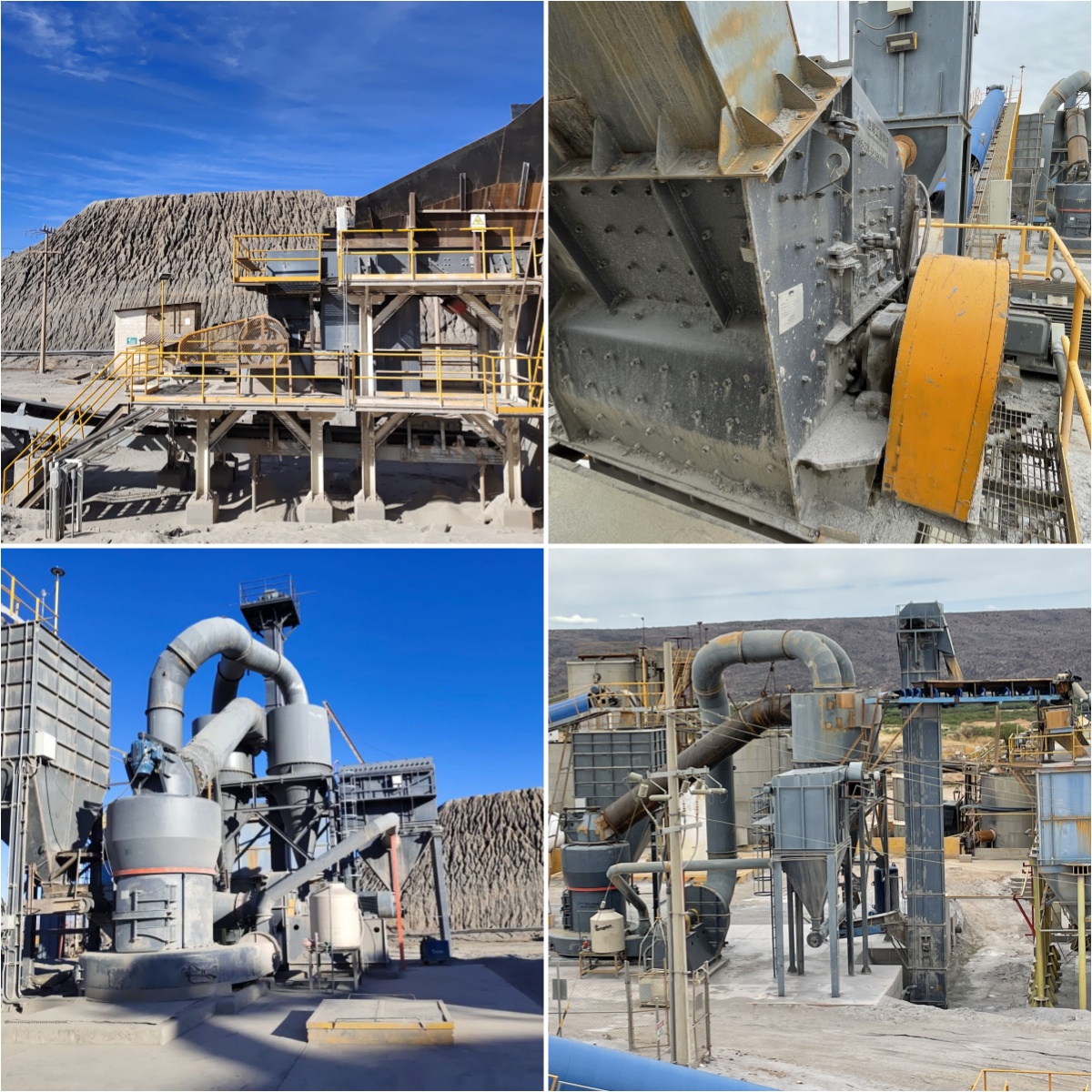
For primary crushing, the PEW Jaw Crusher is frequently used to handle large feed materials while maintaining stable throughput. Its robust structure helps reduce downtime in demanding mining environments.
During secondary and tertiary crushing stages, the HPT Multi-cylinder Hydraulic Cone Crusher can help produce a more uniform product size while improving crushing efficiency. This becomes especially important when preparing feed material for downstream grinding operations.
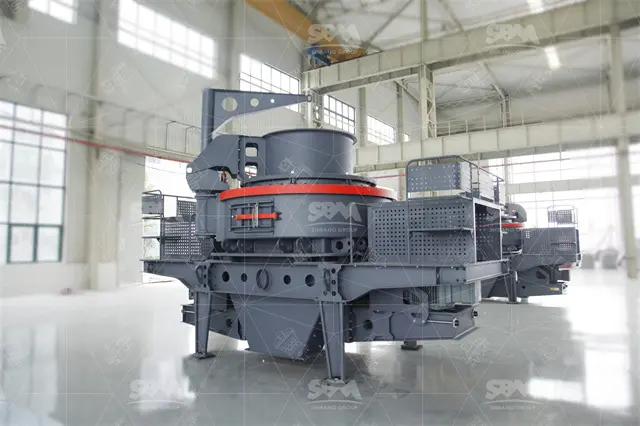
Where fine shaping and particle optimization are required, the VSI6X Sand Making Machine may be incorporated into the process. Although originally developed for aggregate applications, its particle shaping capabilities can support specific mineral processing requirements.
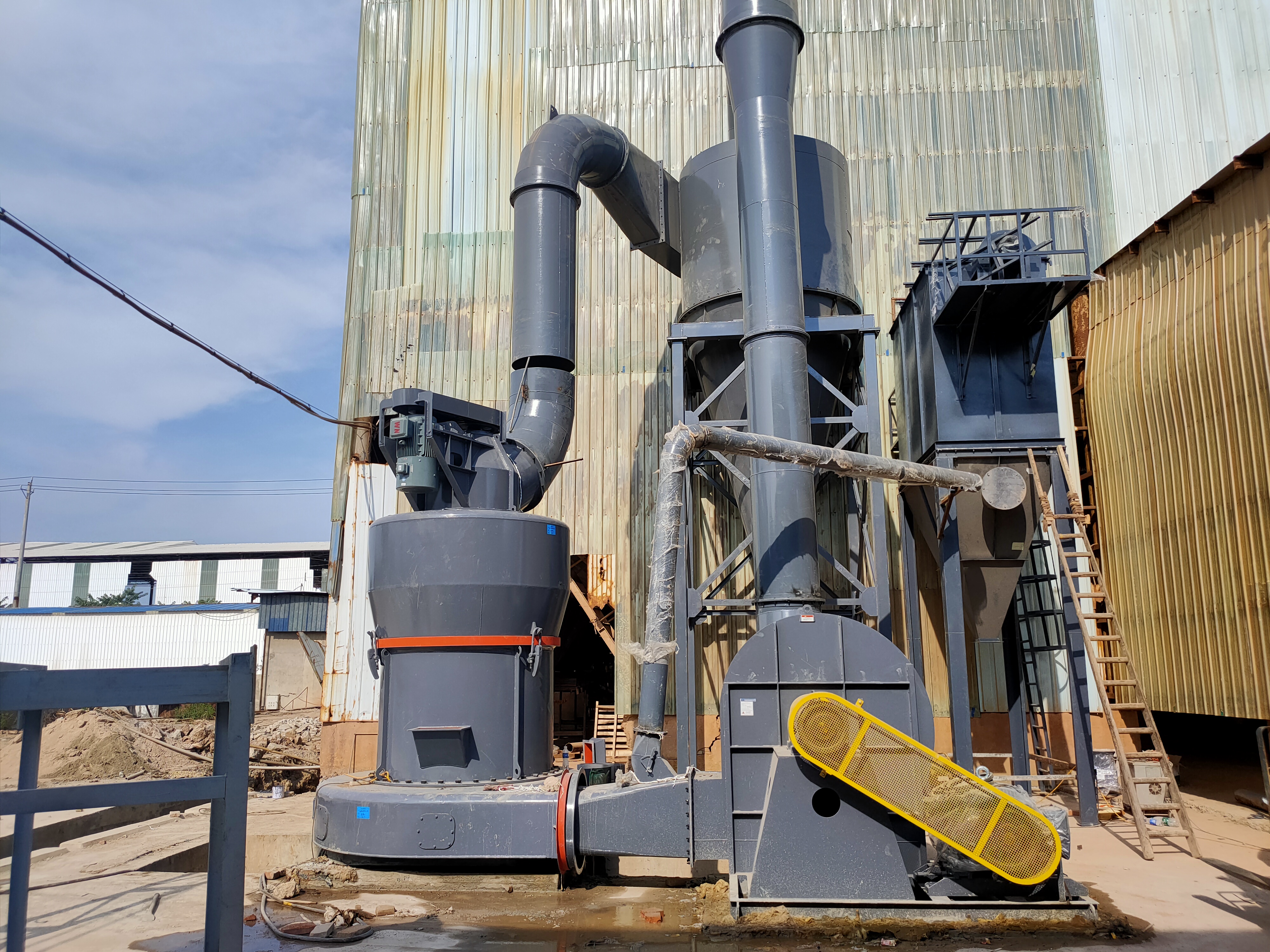
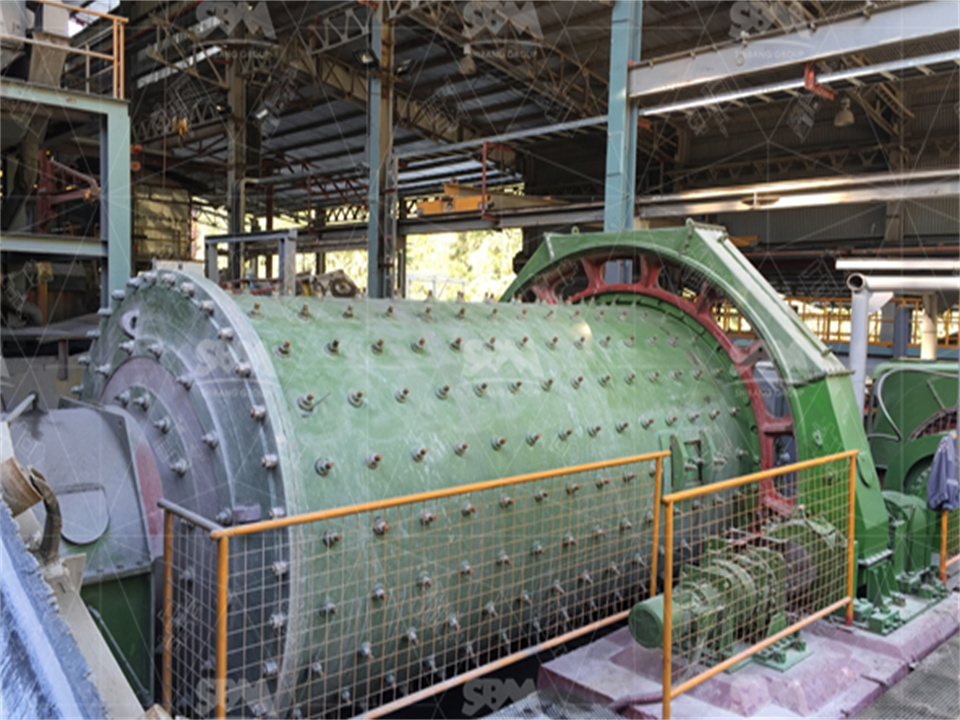
For grinding applications, SBM’s grinding solutions are designed to achieve the liberation size necessary for subsequent beneficiation processes. The correct grinding fineness is often one of the most important factors influencing lithium recovery.
In real-world projects, there is rarely a one-size-fits-all solution. Every ore body behaves a little differently, and sometimes the laboratory results look great but field conditions tell a slightly different story, that’s normal in mining operations.
International buyers are becoming more selective than ever. Price remains important, but it is no longer the only deciding factor.
| Factor | Why It Matters | Impact on Project |
|---|---|---|
| Process Design Capability | Optimizes recovery and efficiency | Higher profitability |
| Equipment Reliability | Reduces downtime | Stable production |
| Energy Efficiency | Lowers operating costs | Improved ROI |
| Spare Parts Support | Minimizes maintenance delays | Higher plant availability |
| Global Service Network | Faster technical assistance | Reduced operational risk |
Modern lithium projects are capital-intensive. Delays can cost millions of dollars. Because of this, buyers increasingly prioritize manufacturers that can provide technical consultation, commissioning support, and long-term service.
One reason many mining companies consider SBM is its experience across multiple mineral processing applications. Rather than focusing solely on equipment sales, the company works with customers to evaluate ore characteristics, production targets, and plant layout requirements.
Before equipment selection, process engineers typically analyze several factors:
This engineering-first approach often helps customers avoid costly redesigns later in the project lifecycle.
Another important consideration is scalability. Many lithium projects start with a moderate production target and expand later as market demand grows. Equipment configurations that allow future capacity increases can provide significant long-term advantages.
Experienced mine operators know that purchase price represents only a portion of the total investment.
Maintenance expenses, wear part consumption, energy usage, labor requirements, and unexpected downtime frequently have a larger financial impact over the life of a plant.
For example, a crusher that appears less expensive during procurement may ultimately generate higher operating costs if liner replacement intervals are short or maintenance access is difficult.
That’s why many procurement teams now evaluate total cost of ownership rather than focusing exclusively on initial equipment pricing.
The goal is simple: maximize production uptime while keeping operating costs predictable.
For buyers evaluating China manufacturers of lithium ore processing equipment, the decision should go beyond machine specifications alone. Process expertise, service capabilities, spare parts support, and equipment reliability all play major roles in project success.
Whether developing a new spodumene project or upgrading an existing lithium concentrator, partnering with an experienced supplier such as SBM can help reduce technical risks and improve operational performance. And yes, sometimes the smallest process adjustment delivers the biggest production gain?? That’s something many mine managers learn only after years on site.
Yes. Equipment configurations can be adjusted according to ore characteristics, capacity requirements, and target concentrate specifications.
Delivery time depends on project scope, equipment quantity, and customization requirements. Detailed schedules are normally confirmed during project planning.
Yes. Global customers typically require long-term spare parts support to maintain stable plant operation.
Yes. Electrical systems can be configured to match local grid requirements and project specifications.
Professional technical support and commissioning services are commonly provided to assist plant startup and performance optimization.
Proper liberation of lithium-bearing minerals is often one of the most important factors affecting recovery and concentrate quality.
Optimized process design, energy-efficient equipment, preventive maintenance, and proper wear part management all contribute to lower operating costs.
Provide ore information, expected capacity, feed size, target product specifications, site conditions, and project timelines. More complete data usually leads to a more accurate equipment proposal.
Whatsapp:+8617329420102
Email: [email protected]
Address: No. 1688, Gaoke East Road, Pudong new district, Shanghai, China.
Online Service : Get Price
We value your feedback! Please complete the form below so that we can tailor our services to your specific needs.