Selecting the right machinery for gold recovery is not easy. Many investors lose money due to bad choices. The gold price is high. However, mining costs are also high. You need efficiency. I see many mistakes in the field. Equipment selection decides your profit. It decides your life span of the mine. This article explains common errors. It offers solutions based on science. It uses data from the field. Read this to avoid big losses.
Many buyers do not test the rock. They guess. This is dangerous. You must know the Bond Work Index (BWi). This measures how hard the rock is. The standard is critical. Soft rock is different from hard rock. Granite is hard. Oxide gold is often soft.
Why is this bad?
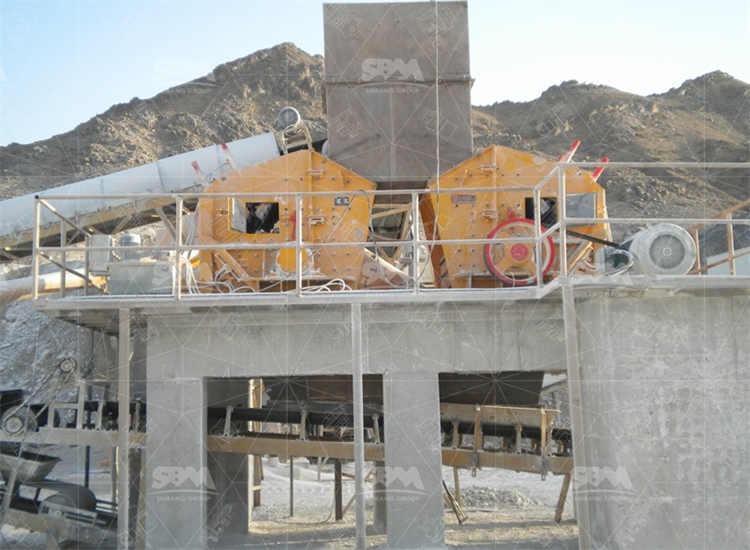
If rock is too hard, crushers break. If rock is soft, you waste power. You must test samples. Send rocks to a lab. Get a report. A high BWi means you need a Cone Crusher. A low BWi might use an Impact Crusher. Do not skip this step.
Technical Insight:
Hardness defines the “crushability”. The index ranges from 10 to 20 kWh/t for gold ore. If your report says 18 kWh/t, do not buy an impactor. The hammers will wear out in hours. This is a fact. We see this in data from Minerals Engineering journals. Trust the data.
A crusher reduces rock size. This is the reduction ratio. It is feed size divided by output size. A common mistake is forcing one machine to do too much. A single machine has limits. You cannot go from 500mm to 10mm in one step. It is impossible.
The Solution:
Use stages. Use a primary crusher. Then use a secondary one. The Jaw Crusher is for big rocks. It handles 500mm rocks. It breaks them to 100mm. The reduction ratio is about 4:1. Do not exceed 5:1. If you push it, the toggle plate breaks.
Key Parameter: CSS and OSS
CSS is Closed Side Setting. OSS is Open Side Setting. CSS defines the final product size. You must adjust this. If CSS is too small, power spikes. The motor burns. Keep CSS within the manual range.
We compare machines here. Look at the table. It helps you choose. It shows which machine works for which rock. This data comes from field tests.
| Equipment Type | Feed Size (mm) | Hardness Suitability | Reduction Ratio |
|---|---|---|---|
| Jaw Crusher | < 1200 | Very Hard | 3:1 – 6:1 |
| Cone Crusher | < 300 | Hard / Medium | 3:1 – 5:1 |
| Impact Crusher | < 500 | Soft / Medium | 10:1 – 20:1 |
| Ball Mill | < 25 | All Types | Grinding Stage |
Why use this table?
It stops you from buying wrong tools. Impact crushers have high ratios. But they fail on granite. Cone crushers are expensive. But they last longer on hard rock.
This is a big question. Often, the grind is wrong. Gold needs liberation. You must free the gold from the rock. If rock is too big, chemicals wont touch gold. If rock is too small, slime forms. Slime hurts recovery.
The Grinding Problem:
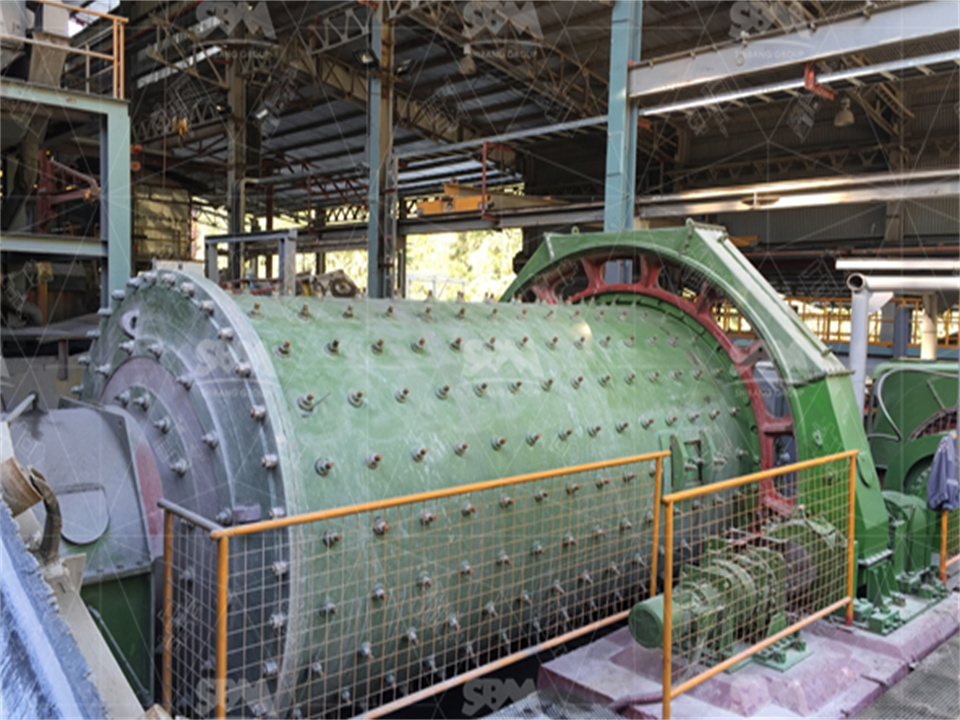
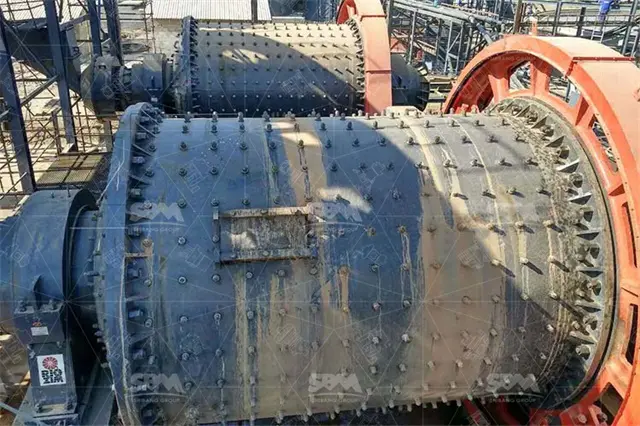
Ball mills do the grinding. They use steel balls. The critical speed is key. The mill must spin at the right speed. Usually, this is 70% to 75% of critical speed. If it spins too fast, balls stick to the wall. They do not drop. Grinding stops.
Technical Terms:
Mesh size matters. 200 mesh is standard. This is 0.074mm. You need 80% passing this size. We call this P80. If P80 is 150 microns, you lose gold. You must check the hydrocyclone. It controls the size. Adjust the apex and vortex finder.
Project Background:
A client in Tanzania had a gold mine. The rock was granite. It was very hard. The BWi was 19 kWh/t. The climate was hot and dusty.
The Mistake:
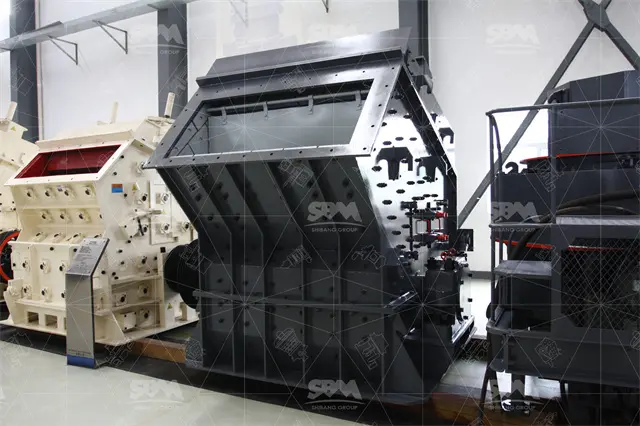
They bought a cheap impact crusher. They wanted to save money. The blow bars broke every 2 days. Production stopped often. They lost $5000 a day. It was a disaster.
The SBM Solution:
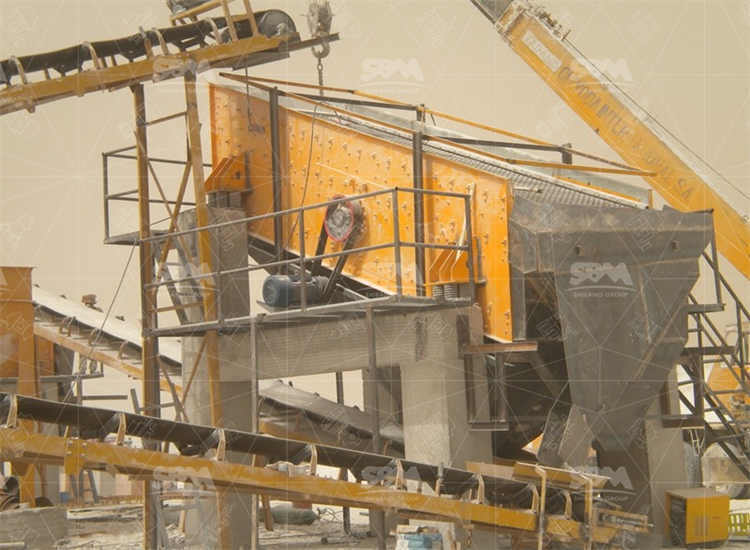
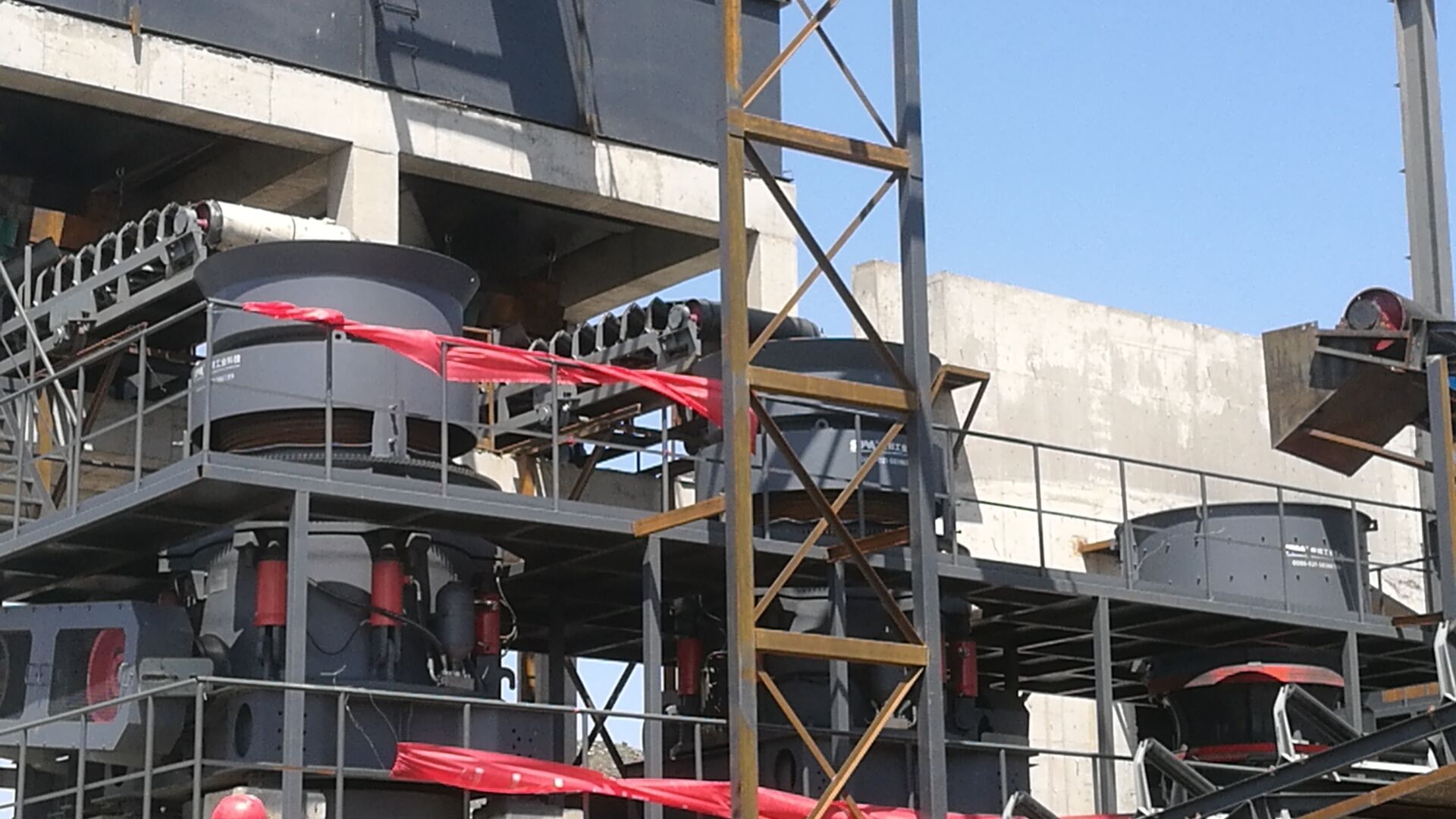
We analyzed the rock. We removed the impactor. We installed a SBM Hydraulic Cone Crusher. We set the CSS to 12mm. We added a vibrating screen.
The Result:
Wear parts lasted 45 days. Not 2 days. The plant ran smooth. The client was happy. He said, “SBM saved my mine.” The initial cost was higher. But running cost dropped by 60%. This proves quality pays.
Gold is not always in rock. It is in soil too. This is alluvial gold. It often has clay. Clay is sticky. It blocks machines. It steals gold.
The Consequence:
If you put clay in a crusher, it chokes. The machine stops. If clay goes to a sluice box, it robs gold. The gold sticks to clay. It floats away. You lose money.
How to fix it?
You need a Trommel Scrubber. It washes the ore. It has blades inside. It cuts the clay. It uses water pressure. The clay dissolves. The gold is freed. SBM scrubbers handle sticky clay well. We use polyurethane screens. They do not block easily.
Cheap machines are tempting. But they are traps. A cheap motor burns out. A cheap frame cracks. The steel is thin. Mining is heavy work. Vibration is constant.
Think about TCO:
TCO is Total Cost of Ownership. It includes buying price. It includes fuel. It includes spares. It includes downtime. A cheap crusher might cost $10k. But it uses more diesel. It breaks weekly. A good crusher costs $20k. It runs for years. The cheap one costs more in the end.
Evidence:
Industry reports show this. The Mining Journal states downtime kills profit. Reliable gear is an asset. Junk gear is a liability. Buy from trusted brands. Look for ISO certification.
The Situation:
This was an alluvial site. The ore was 40% sticky clay. The customer used a simple screen. It plugged up every hour. Workers had to clean it by hand. It was dangerous.
The SBM Intervention:
We visited the site. We saw the mud. We proposed a complete washing plant. We used a SBM Rotary Scrubber. It had high-pressure water jets.
Client Feedback:
The blockage stopped. Recovery went up 30%. The client Mr. Budi said, “The washing is perfect now. No more stopping.” The maintenance became easy. Grease points were accessible. The bearings stayed cool. This design works.
Machines need fixing. Parts wear out. Liners need changing. If you cannot reach the bolt, you cannot fix it. Some designs are bad. They crowd machines together.
Design Tip:
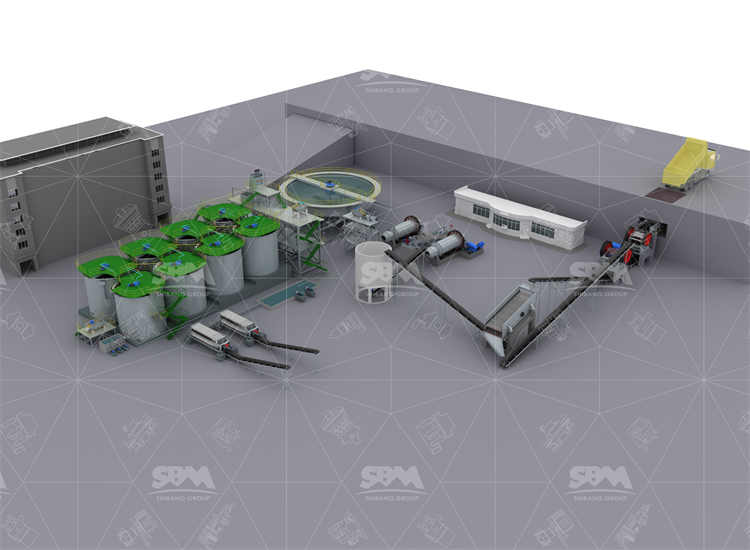
Leave space. Leave 1 meter between machines. You need room for a crane. You need room for a mechanic. Safety depends on space. SBM designs consider this. We draw 3D maps. We check the walkways.
Spare Parts:
Buy spares early. Do not wait for a break. Keep a toggle plate in stock. Keep concave liners in stock. Shipping takes time. A mine without parts is a hole in the ground. It makes no money.
Follow these steps. It simplifies the choice. Do not skip a step.
Step 1: What is the material?
Is it hard rock? Go to Step 2. Is it clay/soil? Use a Scrubber.
Step 2: How big is the rock?
Is it > 500mm? Use a Jaw Crusher. Is it < 50mm? Use a Ball Mill.
Step 3: What is the goal?
Is it free gold? Use Gravity (Knelson). Is it microscopic? Use Cyanide (CIL).
Q1: Why does my Jaw Crusher stop under load?
This is common. Usually, the discharge is blocked. Or the belt is loose. Check the tension. Also check the voltage. Low voltage drops torque. The motor stalls. Clear the chamber first. Never start with rock inside.
Q2: How often should I change ball mill liners?
It depends on the rock. For hard quartz, maybe 6 months. For soft ore, 12 months. Listen to the sound. A loud bang means no liner. Check the thickness weekly. SBM liners use manganese steel. They last longer.
Q3: Can I process all gold with one machine?
No. This is a myth. Gold behaves differently. Large gold needs gravity. Tiny gold needs chemicals. Sulfide gold needs flotation. You need a process flow. You need a system. One machine cannot do it all.
Mining is science. It is not gambling. Avoid these mistakes. Check your ore. Match the crusher to the rock. Calculate the ratio. Plan for maintenance. Use reputable suppliers like SBM. Do not buy junk. Your mine deserves the best. Smart choices bring high returns. Bad choices bring bankruptcy. Start right.
Whatsapp:+8617329420102
Email: [email protected]
Address: No. 1688, Gaoke East Road, Pudong new district, Shanghai, China.
Online Service : Get Price

We value your feedback! Please complete the form below so that we can tailor our services to your specific needs.