River stone is tough. It is nature’s hardest material for making sand. Many investors want to turn river stone into profit, but they fail. Why do they fail? They pick the wrong machines. River stone has high silica content. This makes it very hard. It wears down metal quickly. To succeed you need a smart plan. You need the right design. This article explains how to do it right. We use SBM experience to help you.
River stone is mostly silica. Silica is hard. On the Mohs scale it is a 7. This is harder than iron. If you hit it wrong it breaks your tool. You lose money on parts. We call this “wear cost”. High wear cost kills profit. So we must crush it gently. We do not use force only. We use technique. We use specific machines. This keeps costs low. It keeps sand quality high.
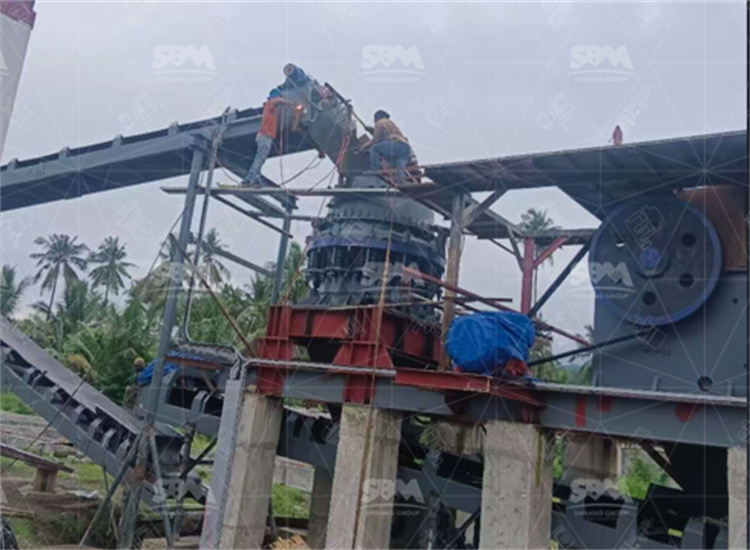
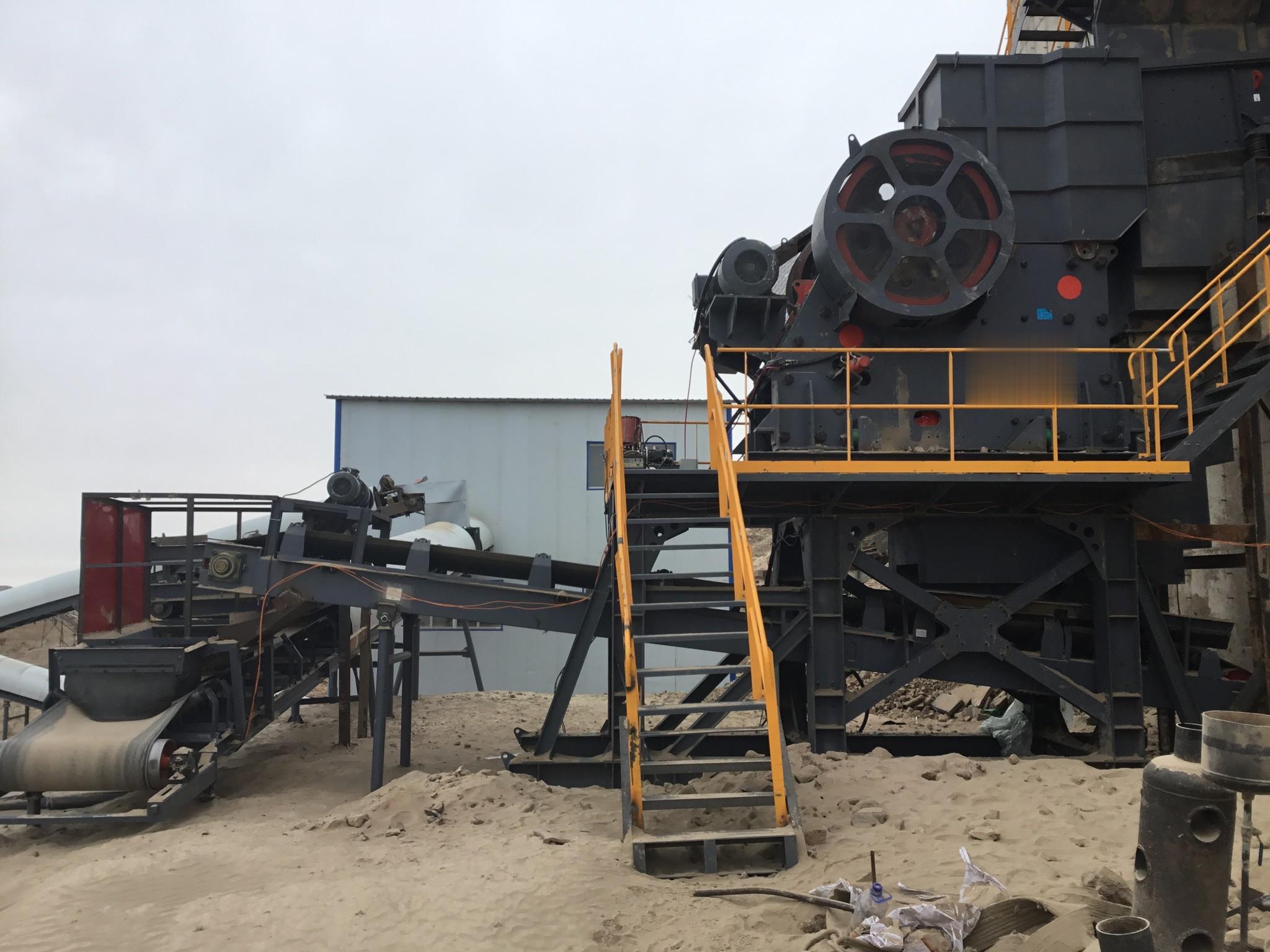
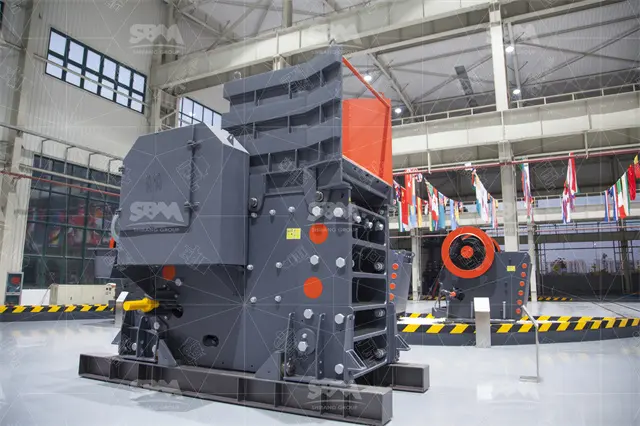
First we move big rocks. We use a Jaw Crusher here. Why use a Jaw Crusher? It handles big pressure. It works like a mouth. One plate stays still. The other plate moves. This is the “Toggle Plate” system. The rock falls in. The jaw squeezes it. The rock breaks.
Key Tech: The Reduction Ratio. This implies how much smaller rock gets. For river stone we want a ratio of 4:1 here. We set the CSS (Closed Side Setting). This is the bottom gap. For a 500mm rock we want 150mm output. The motor power must match the rock hardness. If power is low the machine jams.
Reference: According to Mining Engineering journal proper CSS prevents liner wear. It saves energy too.
| Model | Feed Size (mm) | Output (mm) | Power (kW) |
|---|---|---|---|
| PE-600×900 | 500 | 65-160 | 55 |
| PE-750×1060 | 630 | 80-140 | 110 |
This is a common question. People ask this often. “Impact crushers are cheaper right” Yes they are cheaper. But they are wrong for river stone. An impact crusher hits rock with a hammer. River stone fights back. The hammer breaks fast. You will change parts every day. This stops production. It costs huge money. Do not do this.
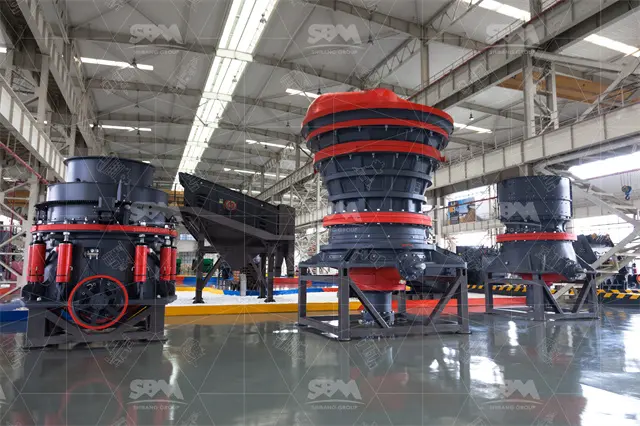
Solution: Use a Cone Crusher. The Cone Crusher squeezes rock. It uses lamination principle. Rock breaks rock. This saves the metal parts. It is made for hard stone. It costs more to buy. But it is cheap to run. This is the smart choice.
Now the rock is medium size. It is about 150mm. We need it smaller. We use the Hydraulic Cone Crusher. This machine is powerful. It spins fast. The “mantle” moves inside the “concave”. The gap changes fast. This is the OSS (Open Side Setting). It allows fast flow.
Key Tech: Lamination Crushing. Why do we want this? It makes cube shapes. Flat rocks are bad for concrete. Cube rocks are strong. The Cone Crusher makes fewer needles. It produces 20mm to 40mm stones here. Energy use is efficient. It uses about 1.5 kWh per ton.
| Type | Cavity | Speed (rpm) | Capacity (t/h) |
|---|---|---|---|
| H-Type | Standard | 350 | 150-300 |
| S-Type | Short Head | 380 | 100-220 |
This is the final step. We need sand under 5mm. We use a VSI Crusher. Vertical Shaft Impact. This is the magic machine. It throws rock at rock. We call this “Stone on Stone”. The rock hits a rock bed. It does not hit metal. This is vital.
Why this works:
Low Wear. The metal is safe.
Good Shape. The sand becomes round.
High Speed. The rotor spins at 1500 rpm. The kinetic energy breaks the stone. Formula: E = 1/2 mv^2. More speed means more break. We control the grading here. We make fine sand. We make coarse sand.
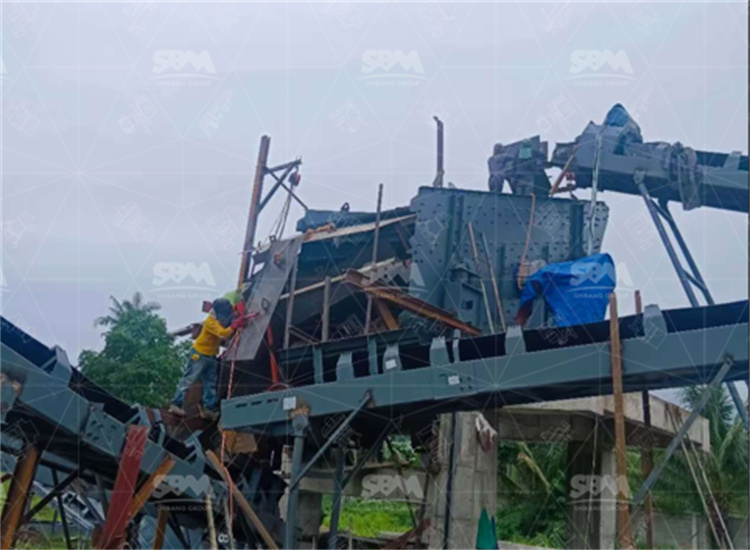
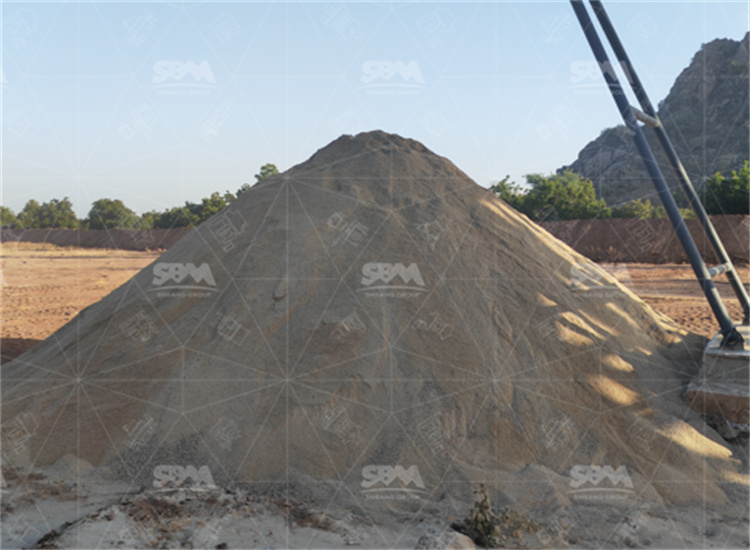
Sand quality is everything. Builders hate bad sand. Bad sand makes weak walls. So how do we fix this? We use a Screen and a Washer. The Vibrating Screen sorts the piles. Big rocks go back. Small sand goes forward. Then we wash it. River stone has mud. Mud is bad. The Wheel Sand Washer cleans it. It spins slowly. The mud floats away. The heavy sand stays. This meets the ASTM C33 standard. It is clean sand.
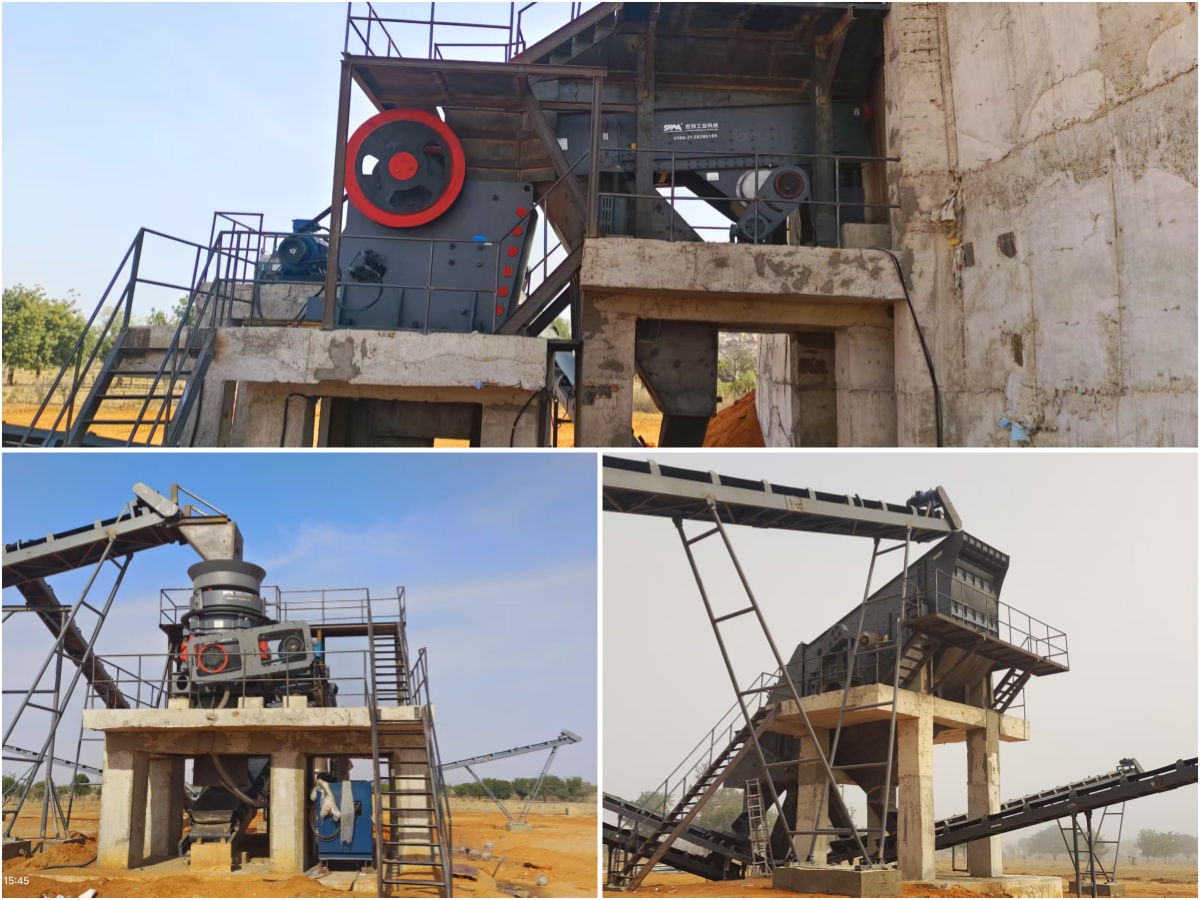
We built a plant in Java. The client had hard river pebbles. Conditions: Wet climate. Sticky mud. Stone Size: 400mm max. Goal: 0-5mm sand for roads. They tried hammer crushers before. It failed.
The SBM Solution:
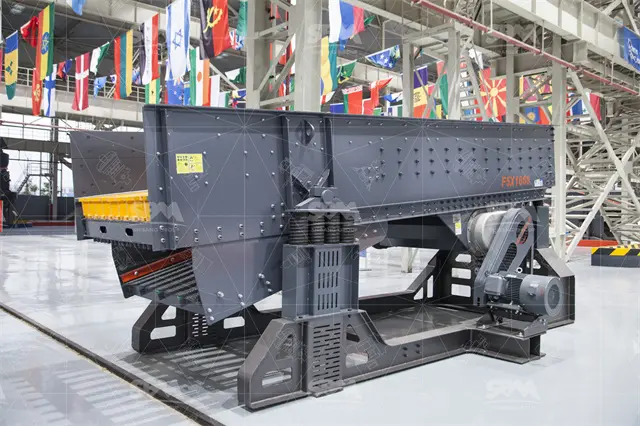
Feeder: Vibrating GZD type. It removes dirt early.
Primary: PE-750 Jaw. Reduced rock to 100mm.
Secondary: HPC Cone Crusher. Made 30mm stone.
Shaper: VSI-1140. Made the sand.
Screen: 3-deck screen. Sorted the sizes.
The Result: The wear cost dropped 60 percent . The sand sold for $15 per ton. Client said: “The machine run steady. No stop for repair.” Why it worked? We matched the speed to the stone hardness. We did not rush.
This client wanted concrete mix. Stone: Granite river rock. Very abrasive. Pain Point: Too much dust in old plant. Dust is waste. It is lost money.
The SBM Design: We used a “Dry Process”. We added a powder separator. It pulls the dust out. It keeps the sand. We adjusted the VSI rotor tip speed. Lower speed makes less dust. Speed dropped from 70 m/s to 55 m/s. Sand rate went up 15 percent . Client Feedback: “SBM engineer know the math. The adjustment saved us.”
You worry about breakdown. It is normal. Machines break. But good setup helps. Foundation: Use heavy concrete. River stone crushing shakes the ground. If ground moves the bearing breaks. Alignment: The motor and pulley must be straight. Use a laser tool. Lubrication: Check oil every day. River dust kills oil. Change filters often. Spares: Keep extra jaw plates. Keep extra mantles. Do not wait for shipping. Downtime is lost cash.
Do not look at buy price only. Look at run price. Cheap machines use much power. Example: A cheap crusher uses 200kW. A good SBM crusher uses 160kW. Over 5 years that is big money. Also consider the resell value. Good machines keep value. Calculate your “Cost Per Ton”. (Power + Wear + Labor) / Tons Produced. If this number is low you win.
Q1: Can I make sand with just a Jaw Crusher? No. You cannot. The jaw leaves cracks. The shape is flat. It is too big. You need a VSI for sand.
Q2: How much water do I need for washing? Usually 1 ton of sand needs 2 tons of water. You can recycle water. Use a thickener tank. This saves 80 percent of water.
Q3: Why is my output low? Check the feed size. If feed is too big the machine chokes. Check the voltage. Low voltage slows the motor. Check the discharge gap. It might be blocked.
Processing river stone is science. It is not guessing. You must respect the rock hardness. Use a Jaw for big cuts. Use a Cone for middle cuts. Use a VSI for sand shape. Do not skip steps. Trust data not rumors. SBM provides the full design. We test your stone first. We give you the truth. Start right and you make money. Start wrong and you buy parts forever.
Whatsapp:+8617329420102
Email: [email protected]
Address: No. 1688, Gaoke East Road, Pudong new district, Shanghai, China.
Online Service : Get Price
We value your feedback! Please complete the form below so that we can tailor our services to your specific needs.