Choosing the right crusher is vital. It saves you money. It keeps your mine running. Many managers struggle with this choice. Secondary crushing is the middle step. It shapes your final product. We will look at Impact Crushers and Cone Crushers. Both are good machines. But they do different jobs. This guide helps you decide. We focus on facts and data. SBM has many years of experience here. We share what we know.
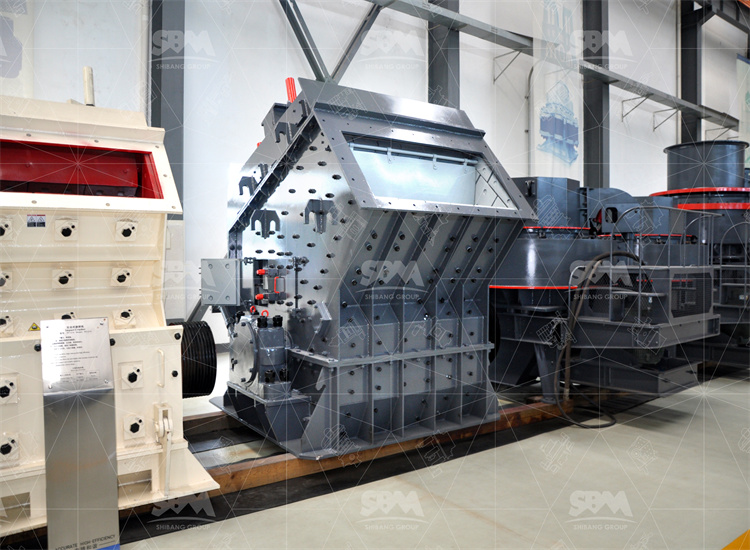
You must know how they work. This changes everything. It affects your cost.
Impact Crusher Logic:
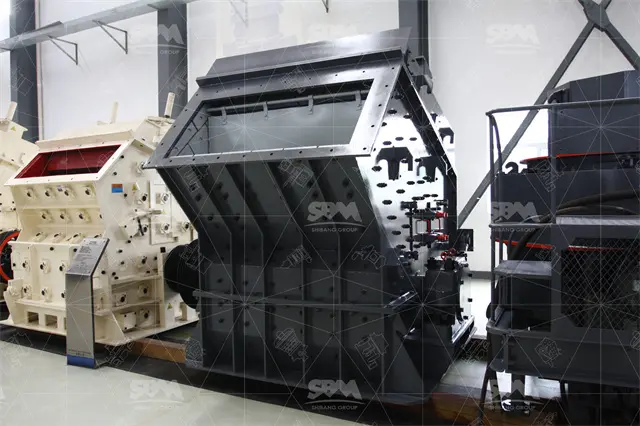
This machine uses impact force. Think of a hammer hitting a rock. The rotor spins fast. Blow bars hit the stone. The stone hits the impact plate. It breaks along natural cracks. This is “free crushing.”
Key Data:
Cone Crusher Logic:
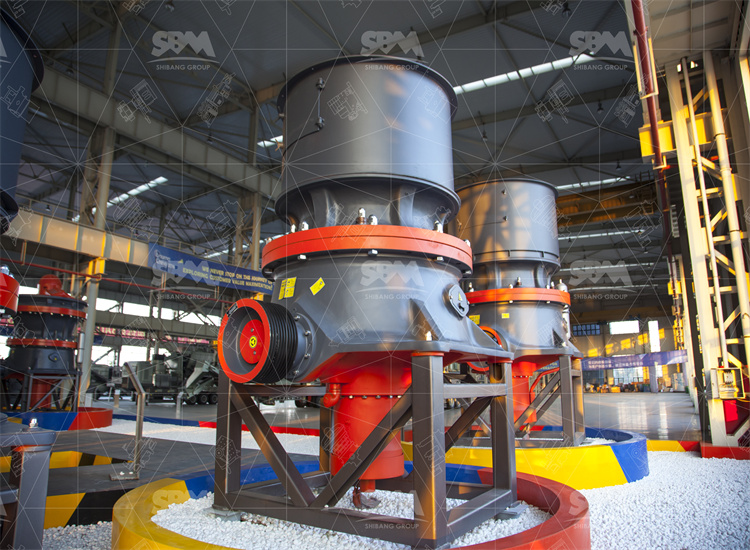
This uses compression. Think of a nutcracker. The mantle moves inside a concave. It squeezes the rock. The rock breaks. This is “lamination crushing.” It is very strong.
Key Data:
Hardness dictates the machine type. If you ignore this; you lose money. We use the Mohs scale. Or we use Bond Work Index.
Soft to Medium Rock:
Limestone or coal is soft. Impact crushers love this. The wear parts last long enough. The cost is low. If you put granite in an impactor, the blow bars wear out in days. This is bad.
Medium to Hard Rock:
Granite, basalt, and iron ore are hard. Cone crushers are best here. They crush by squeezing. The manganese steel mantle is tough. It wears slowly. This saves maintenance time. SBM engineers always check rock hardness first.
Decision Tree:
Let us look at the numbers. Data speaks truth. We compare standard SBM models here. This helps you visualize performance.
| Feature | Impact Crusher (PF Series) | Cone Crusher (HPT Series) |
|---|---|---|
| Crushing Principle | Impact / Strike | Compression / Squeeze |
| Product Shape | Excellent (Cubical) | Good (Depends on choke feed) |
| Maintenance Cost | Low capital, High wear part cost | High capital, Low wear part cost |
| Fines Production | High (Good for sand) | Low (Good for aggregate) |
| Energy Efficiency | Medium | High (Inter-particle crushing) |
Why this matters:
If you sell concrete aggregate. Shape matters. Impact crushers make cubes. Cubes are strong in concrete. Flaky stones are weak. But if you crush basalt; the impactor is too expensive to run. The wear cost eats your profit.
We had a client in Mexico. Mr. Rodriguez runs a quarry. He processes granite river stone. The rock is very hard. Hardness is about 250 MPa. He used an impact crusher first. It was a mistake.
The Pain Point:
He changed blow bars every 4 days. Production stopped often. He lost sales. His workers were tired.
The SBM Solution:
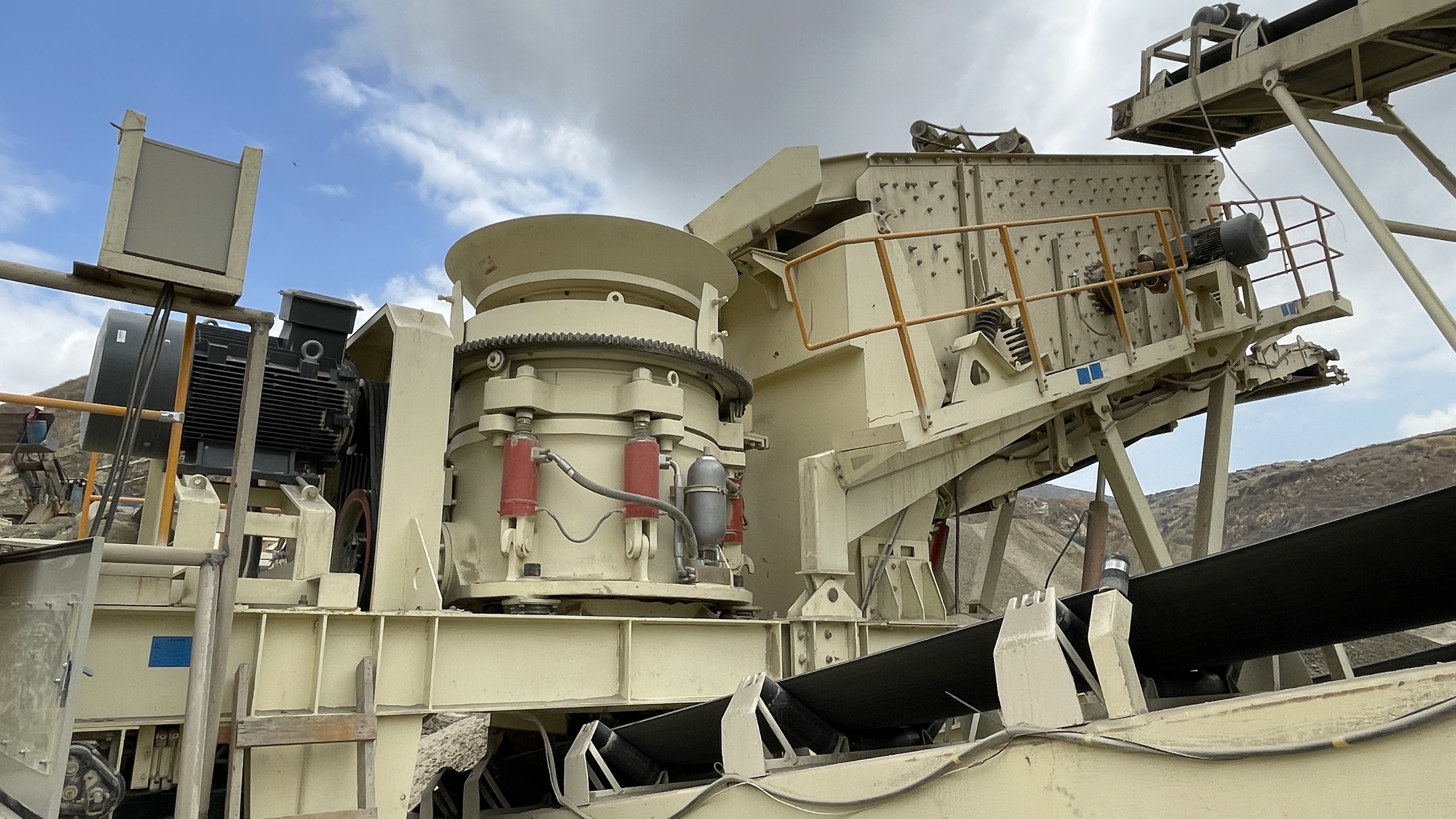
We installed an SBM HPT300 Cone Crusher. It is a multi-cylinder hydraulic cone. We set the CSS to 22mm. We used a “choke feed” method. This means the chamber is full.
The Result:
This is a big question. Construction standards are strict. Road base needs specific shapes.
Impact Crusher Advantage:
The impact force hits the rock. Rock breaks at weak points. It becomes round or cubical. This is premium product. It sells for higher price. Journal of Aggregate Technology says cubical stone increases asphalt strength by 15%.
Cone Crusher Challenge:
Old cone crushers made flaky needles. This is bad. But modern SBM hydraulic cones are better. They use lamination crushing. Rocks crush rocks. The shape is decent. It is not perfect like impactor. But it is acceptable for most roads.
Money talks. You have two costs. Buying cost and running cost. You must balance them.
Initial Investment (CAPEX):
Impact crushers are cheaper to buy. The structure is simple. It has a rotor and a case. Cone crushers are expensive. They have hydraulics. They have complex oil stations. They cost 1.5x or 2x more to buy.
Operating Cost (OPEX):
This is where the story changes. For hard rock. Cone crusher is cheaper to run. The liners last long. Energy use per ton is lower. For soft rock. Impact crusher is fine. But for granite; cone crusher wins on OPEX. Over 2 years; the cone crusher pays for itself.
Machines break. You must fix them. How hard is it?
Impact Crusher Care:
Easy to fix. You open the door. You change the bars. It takes 2 hours. But you do it often. Maybe every week.
Cone Crusher Care:
Harder to fix. You need cranes. You deal with hydraulic oil. But you do it rarely. Maybe every 3 months. SBM provides special tools. This makes it easier.
Installation Tip:
Cone crushers vibrate less than jaw crushers. But they need a strong concrete base. Use shock absorbers. This protects the motor.
Another story. A cement plant in Algeria. They process limestone. It is soft. Abrasiveness is low.
Equipment List:
Why this choice?
Limestone does not hurt the blow bars. The impact crusher has a huge reduction ratio. It turns 300mm rocks into 20mm powder in one pass. A cone crusher cannot do this easily. The client saved money on initial purchase. The electricity bill is okay. The fines are used for cement clinker. It is a perfect match.
Do not just look at price. Look at specs. These define your success.
Power Rating (kW):
Ensure the motor is big enough. Hard rock needs more power. If the motor is small; the machine stalls. SBM matches motors with 1.2x safety factor.
Throw (Eccentricity):
For cones. Big throw means more capacity. Small throw means better crushing. You adjust this.
OSS (Open Side Setting):
This controls throughput. If OSS is too small; the machine chokes. If too big; rocks are too large. You must measure this daily.
Iron gets into the crusher. It happens. A excavator tooth. A bolt. If you have no protection; the shaft breaks.
The Solution:
SBM Cone crushers have hydraulic release. The cylinder drops. The iron passes through. The pressure returns. Machine keeps running. Impact crushers do not handle iron well. It can break the rotor. You need a magnet separator belt. This is extra cost but necessary.
We hear these questions often. We answer them now.
Q1: My output size is uneven. Why?
A: For Impact: Blow bars are worn unevenly. Flip them. For Cone: You are not choke feeding. The chamber must be full of rock. Rock on rock crushing makes even sizes.
Q2: The machine vibrates too much. Why?
A: Check the foundation bolts. They might be loose. Check the rotor balance. Material might be stuck on one side. Clean it.
Q3: The oil temperature is high (Cone). Why?
A: The cooler is dirty. Clean the radiator. Or the bearing is failing. Stop and check immediately. Use the right viscosity oil.
We have covered much ground. Let us simplify. It is a logic game.
Choose Impact Crusher If:
Choose Cone Crusher If:
SBM offers both. We test your rock. We give a report. Then we choose. This is the professional way. Do not guess.
1. Can I use an impact crusher for river stone?
You can; but it is costly. The wear parts will fail fast. You will spend profit on spare parts. We do not recommend it for long term. Use a cone crusher instead.
2. How often do I change the oil in a cone crusher?
Usually every 2000 hours. Or change it when it gets dirty. Check the manual. SBM machines have sensors to tell you. Clean oil saves bearings.
3. What is the maximum feed size for these machines?
It depends on the model. Usually; secondary crushers take 200mm to 300mm rocks. If rock is bigger; use a Primary Jaw Crusher first. Do not jam big rocks in.
Whatsapp:+8617329420102
Email: [email protected]
Address: No. 1688, Gaoke East Road, Pudong new district, Shanghai, China.
Online Service : Get Price
We value your feedback! Please complete the form below so that we can tailor our services to your specific needs.