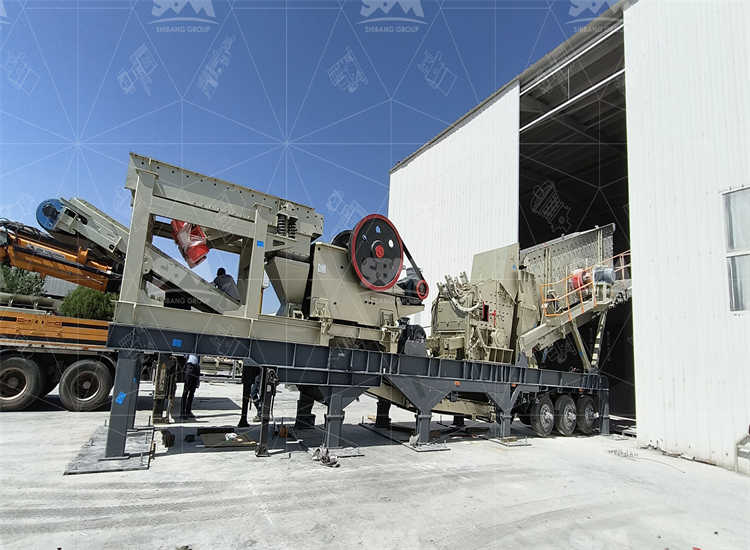
You need to know how machines work. It helps you choose right. The main machine is the Jaw Crusher. It is for big rocks. It works like a mouth. Two plates crush the stone. One plate moves. The other stays still. This is the crushing chamber.
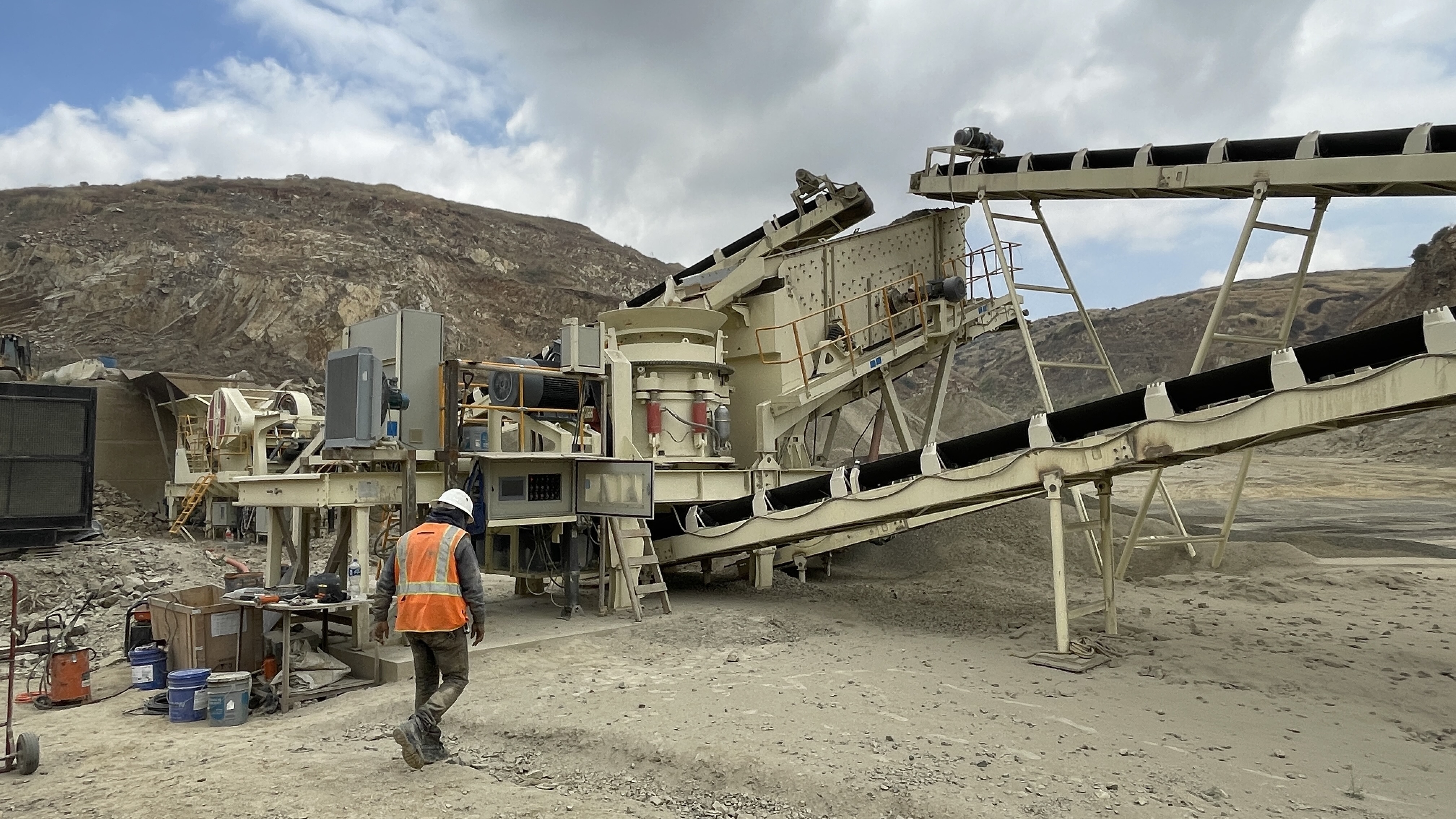
Another machine is the Cone Crusher. It is for hard rocks. It uses a mantle and concave. The mantle spins inside. It squeezes the rock. It breaks it into small pieces. The shape is good for concrete.
Technical terms are important. You must know them.
1. Reduction Ratio: This is input size divided by output size. High ratio means more work.
2. CSS (Closed Side Setting): This is the smallest gap. It sets the product size.
3. OSS (Open Side Setting): This is the biggest gap. It lets rock fall through.
4. Motor Power: This drives the machine. It must match the rock hardness. Too small is bad. Too big wastes money.
Data proves quality. Do not just guess. Look at the numbers. Industry journals show this. The Mining Engineering journal says efficiency matters. Good crushers save 15% energy. SBM machines follow this.
We test our machines. We check the output. The grain shape is key. Construction needs cubes. Not flat chips. Flat chips break easily. Our Cone Crusher makes 90% cubes. This meets road standards.
Here is a data table. It shows typical performance. These are real numbers.
| Machine Type | Feed Size (mm) | Output Size (mm) | Capacity (TPH) | Power (kW) |
|---|---|---|---|---|
| Jaw Crusher PE-600 | 500 | 60-125 | 60-130 | 55 |
| Cone Crusher PYB-900 | 115 | 15-50 | 50-90 | 55 |
| Impact Crusher PF-1210 | 350 | 20-40 | 70-130 | 110 |
Energy use is a big cost. Old machines use much power. New designs use less. A good motor helps. It keeps the speed steady. This keeps production high. We use verified motors. They last longer.
We did a project recently. It was in Indonesia. The client builds highways. They needed hard stone. The material was river basalt. Basalt is very hard. It wears metal fast.
The Project Details:
Location: Java , Indonesia
Rock Type: Basalt (Hardness 7-8)
Capacity Needed: 200 Tons Per Hour
Working Time: 12 hours a day
The Solution Design:
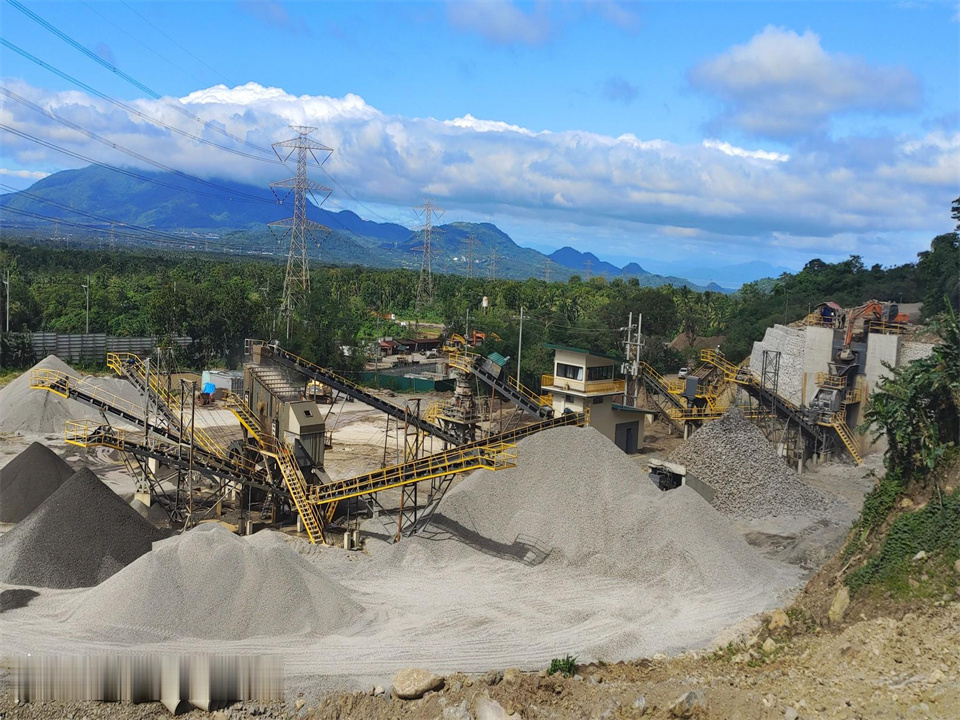
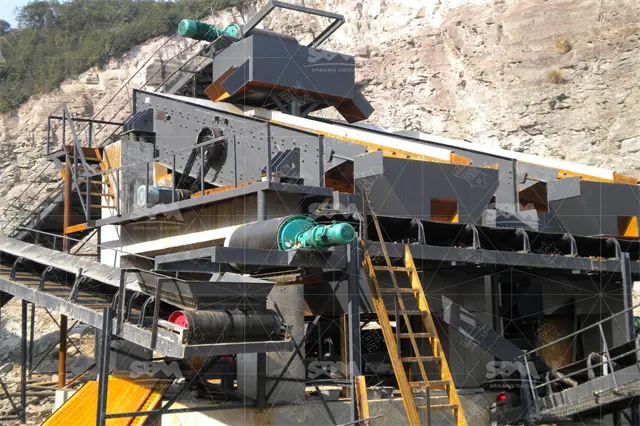
We used a PE-750 Jaw Crusher. It takes big river stones. Then we used a CS Cone Crusher. It handles the hardness. We added a screen. It sorts the sizes.
Why this setup?
Jaw crusher is tough. It takes the big hits. Cone crusher is efficient. It makes good shapes. The client was happy. They said “SBM machine is strong.” The liner lasted 4 months. This is good for basalt. Old machines lasted 2 months. They saved money on parts.
This client makes cement blocks. They need fine dust. They used limestone. Limestone is soft. It is not like basalt. The approach is different.
The Setup:
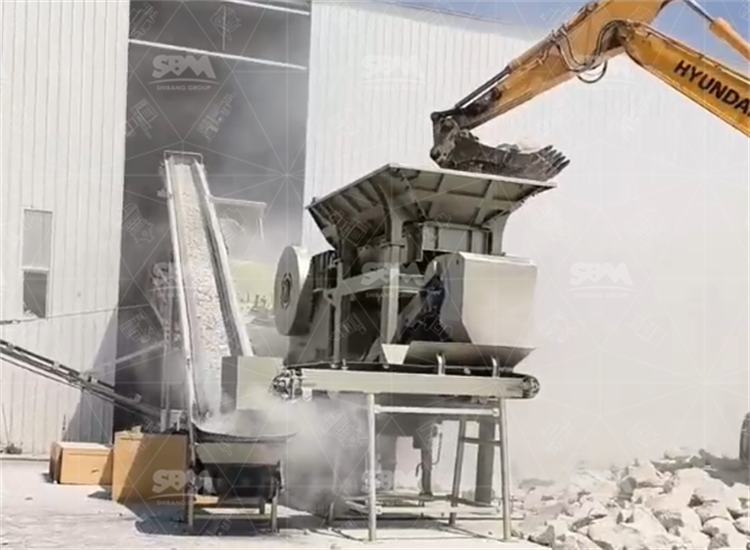
We used an Impact Crusher. It hits the rock. It does not squeeze it. This is better for soft rock. It makes a lot of sand. The model was PF-1315.
The Result:
The sand was perfect. It had sharp edges. The concrete was strong. The customer saved power. Impact crushers use less force. Installation was fast too. It took 10 days.
This is a common problem. Many users ask this. The stone comes out wrong. Some big , some small. Why does this happen?
The Solution:
Check the feed. Is it steady? If you feed empty then full , size changes. You must choke feed the cone. Keep it full. This makes rock crush rock. Also check the CSS. It might move. Wear changes the gap. You must measure it daily. Adjust the ring. SBM machines have hydraulic lock. It keeps the gap strict.
Wear parts cost money. Liners wear out. Hammers break. How do you stop this? You cannot stop it fully. But you can slow it down.
The Solution:
First check the material. Is there silica? Silica eats metal. If yes use high manganese steel. It gets harder as it works. Second check the feed point. Stone must fall in center. If it hits the side , it wears one spot. Rotate the liners. Turn them around. This uses all the metal.
Standard machines are good. But mines are different. Every rock is different. Maybe your space is small. Maybe your power is low. Do you need custom?
The Solution:
Yes usually. We are a factory. We can change the design. We can make the frame lower. We can change the motor side. OEM fits your site. It saves installation time. We do this often. We look at your drawing. We build for you.
Buying is step one. Installing is step two. Bad install kills machines. The foundation must be flat. Concrete needs to cure. Do not rush this.
Installation Steps:
1. Pour concrete base. Let it dry 14 days.
2. Place the frame. Use a level tool. It must be flat.
3. Tighten anchor bolts. Use a torque wrench.
4. Connect the motor. Check belt tension.
Maintenance Plan:
Make a schedule. Do not skip it.
Daily: Check oil level. Listen for noise. Check output size.
Weekly: Check belt tight. Check bolt tight. Grease bearings.
Monthly: Check liner wear. Measure the gap. Change oil filter.
Do not count just machine price. Count the running cost. Electricity is money. Parts are money. Downtime is lost money. A cheap machine breaks often. You stop work. You lose profit.
SBM machines run stable. The uptime is high. You work more hours. You sell more stone. This is ROI. Return on Investment comes fast. Usually 6 months. Good maintenance helps this. Keep records of costs. You will see the truth.
Crushers are key. They build the world. Roads need them. Buildings need them. Choosing is hard. You must look at details. Look at hardness. Look at size. Look at tons per hour.
We are SBM. We are manufacturers. We are not just sellers. We know the iron. We help you design. We give after-sales support. If machine stops , we answer. We have parts. Trust experience. Trust data. Build your infrastructure with us.
Whatsapp:+8617329420102
Email: [email protected]
Address: No. 1688, Gaoke East Road, Pudong new district, Shanghai, China.
Online Service : Get Price
We value your feedback! Please complete the form below so that we can tailor our services to your specific needs.