Lithium prices go up and down. Miners want high profits. But unstable concentrate grade is a big problem. It hurts your money. Many mine owners worry. They see the grade drop. They do not know why. Is it the rock? Is it the machine?
We are SBM. We know mining equipment. We have seen many sites. We help you fix this. We use simple words. We show real data. Let us find the problem together.
First , we must know the rock. Lithium usually comes from Spodumene. It is hard. It is mixed with waste rock. This waste is gangue. Usually quartz or mica. You need to separate them. This is beneficiation. But before that , you must crush it.
The goal is “monomer dissociation”. What is this? It means breaking the rock. You break it until lithium is free. If rocks are too big , lithium is trapped inside. If rocks are too small , it becomes dust. Dust is bad for flotation. It is called “over-crushing”.
Why is this important?
If you have too much dust (slime) , flotation chemicals do not work. The lithium floats away with waste. Your recovery rate drops. You lose money. SBM crushers stop this. We control the size well.
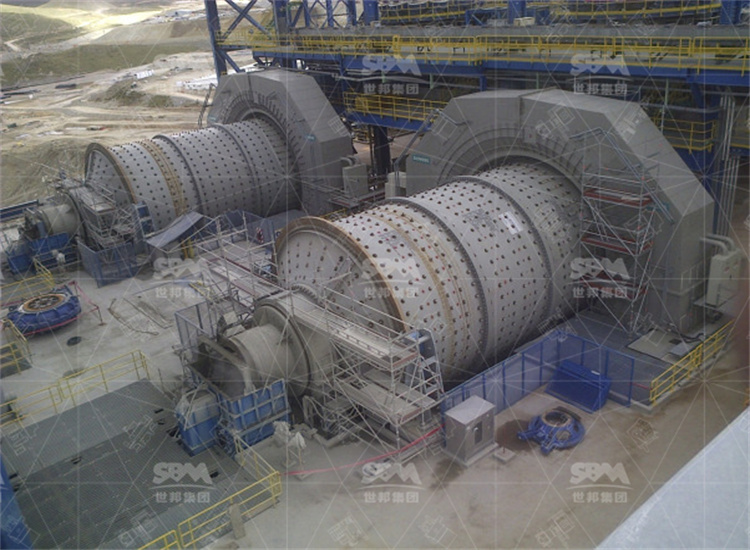
Many mines use wrong crushers. They use hammer crushers. Or they use old cone crushers. These machines hit rocks hard. They smash them. This makes much powder. In the industry , we call this fines.
According to the International Journal of Mineral Processing , excessive fines reduce recovery by 15%. That is huge. You need a modern cone crusher. Like the SBM HPT Series. It uses “laminated crushing”.
What is Laminated Crushing?
It squeezes rocks. It does not just hit them. Rocks break along their natural cracks. This protects the crystal. The shape is good. It is a cube. Not flat. Not needle shape.
Key Parameter: CSS (Closed Side Setting)
You must check the CSS. This is the tightest gap in the crusher. If CSS is 10mm , most rocks are smaller than 10mm. But if the liner wears out , CSS gets bigger. Maybe 15mm. Then output gets coarse. Grade drops. You must adjust it often.
Let us look at data. This is from a real test lab. We crushed Spodumene. We used two machines. See the difference.
| Parameter | Traditional Impact Crusher | SBM HPT300 Cone Crusher |
|---|---|---|
| Feed Size | 0-500mm | 0-500mm |
| Output Size (0-10mm) | 65% | 85% |
| Powder content (<0.074mm) | 22% (Too High) | 8% (Good) |
| Crushing Ratio | 15:1 | High Efficiency |
| Energy Cost | High | Medium |
You see the table? SBM HPT makes less powder. Only 8%. The other one makes 22%. That 22% is hard to catch in flotation. That is lost money.
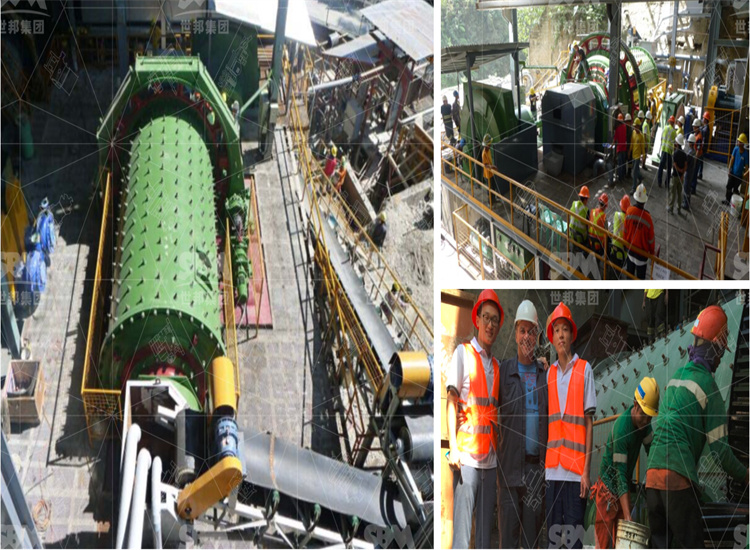
Let’s talk about a real job. A client in Australia had trouble. They mined hard rock lithium. The Spodumene was very hard. Hardness f=12-14. Very tough.
The Pain Point
They used a local jaw crusher. And a simple spring cone crusher. The machine broke often. The main shaft broke. Why? The load was too high. Also , the product shape was bad. It was flat. Flotation yield was only 55%. They were losing money fast.
The SBM Solution
We changed the design. We put in SBM machines.
Equipment List:
1. Primary: PEW Jaw Crusher (Hydraulic protection).
2. Secondary: HST Single Cylinder Cone Crusher (For hard rock).
3. Screen: S5X Vibrating Screen.
Why did we do this?
We used HST cone. It has a heavy crushing force. It handles hard rock easy. We set the CSS to 12mm. We added a feedback loop. Big rocks go back to crush again.
The Result
After 2 months , the client was happy. Production went up 30%. Flotation yield went to 72%. The manager said: “The SBM crusher does not stop. It just works. The stone shape is perfect cubes.”
This is a big question. You crush the rock. Then you screen it. But lithium ore can be sticky. If it rains , it is worse. The screen mesh gets blocked. We call it blinding.
The Answer:
If the mesh is blocked , sizes are wrong. Big rocks stay with small rocks. Or small rocks go to waste. Your grade becomes unstable. You need SBM S5X screen. It shakes hard. It has a high G-force. It throws the rock up. The mesh stays clean.
Technical Tip:
Check the amplitude. For lithium , set it to 9-11mm. Why? It clears the sticky dust. Do this weekly.
Many clients ask this. In winter , oil gets thick. The crusher starts slow. The hydraulic system is slow. This changes the gap. The OSS (Open Side Setting) drifts.
The Answer:
SBM machines have heating systems. We keep the oil warm. Also , we use sensors. If the gap changes , the computer fixes it. It is automatic. You do not need a wrench. This keeps the grade stable all year. Even in cold Canada or Russia.
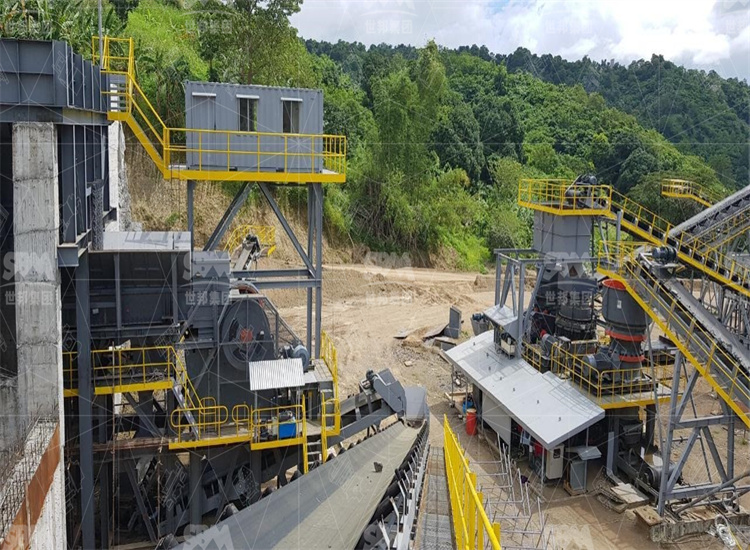
Another story. This one is in Zimbabwe. The client had a small mine. 100 TPH (Tons Per Hour). The problem was Silica. The quartz was mixed with Lithium. It was hard to separate.
The Pain Point
Their old crusher made micro-cracks in the quartz. During flotation , the quartz floated too. It polluted the concentrate. The grade was only 3.5% Li2O. Buyers want 6%.
The SBM Solution
We studied the rock. We saw the cleavage. We installed a VSI (Vertical Shaft Impact) crusher. This is the SBM VSI6X. It is a sand maker. But we used it for shaping.
Why VSI?
VSI throws rock against rock. Stone hits stone. It knocks the quartz off the spodumene. It is gentle but fast. It cleans the surface of the mineral.
The Result
The grade jumped. It went to 5.8%. Almost 6%. The silica dropped out. The client made more money. They bought a second line later. They said: “SBM helped us understand the rock. Not just sell a machine.”
Machines wear out. It is normal. But you must manage it. If liners wear unevenly , the product changes. One side makes big rocks. The other side makes dust.
What to do?
1. Check liners every week. Measure the thickness.
2. Rotate the feed. Do not feed only one side. Use a distributor. Why? To wear liners evenly.
3. Monitor the Amp draw. If Amps go up , the liner is maybe loose or worn. Or the chamber is packed.
SBM machines have smart screens. They tell you when to change parts. It is easy. No guessing.
Cheap crushers look good on price tag. But they cost more later. They break. They stop. They make bad dust. If you lose 1% of Lithium recovery , that is millions of dollars a year.
SBM machines cost a bit more maybe. But they run longer. The ROI (Return on Investment) is fast. Usually 6 to 10 months. You pay for the machine with the extra lithium you save.

Q1: How often should I calibrate the CSS?
Answer: For lithium , do it every shift. Or use SBM automatic hydraulic setting. It does it real-time. This keeps particle size strictly consistent.
Q2: Can one crusher handle all types of Lithium ore?
Answer: No. Hard rock needs Cone Crusher. Clay rich ore needs different handling. We must test your rock first. SBM has a lab for this.
Q3: How much power does the HPT300 use?
Answer: It depends on the setting. Usually around 200-250 kW. But it produces more tons per kW than old machines. It is efficient.
To fix unstable grade , look at the crusher. Is it making fines? Is the setting wrong? Is the liner worn?
Quick Selection Guide:
1. Hard Rock (>200MPa)? Use SBM HST or HPT Cone.
2. Need better shape? Add a VSI shaper.
3. Sticky material? Use S5X Screen with big amplitude.
Stable equipment means stable grade. Stable grade means stable money. Choose SBM. We are the experts. We help you win.
Whatsapp:+8617329420102
Email: [email protected]
Address: No. 1688, Gaoke East Road, Pudong new district, Shanghai, China.
Online Service : Get Price
We value your feedback! Please complete the form below so that we can tailor our services to your specific needs.