Mining copper is tough work. The rocks are hard. The locations are far away. We know this because we help miners every day. This article explains a mobile crushing solution. It is for a copper mine in a remote area. We use SBM equipment here. We explain why we chose it. We show the data too. You will learn how to pick the right machine. This guide is simple. Even a beginner can understand it.
This project was in the Andes mountains. The altitude was 4,500 meters. The air is thin there. Engines lose power in thin air. This is a big problem. The site had no electricity grid. We needed diesel generators. The copper ore was very hard. The Bond Work Index was 16 kWh/t. This means the rock is tough to break. We needed a strong machine.
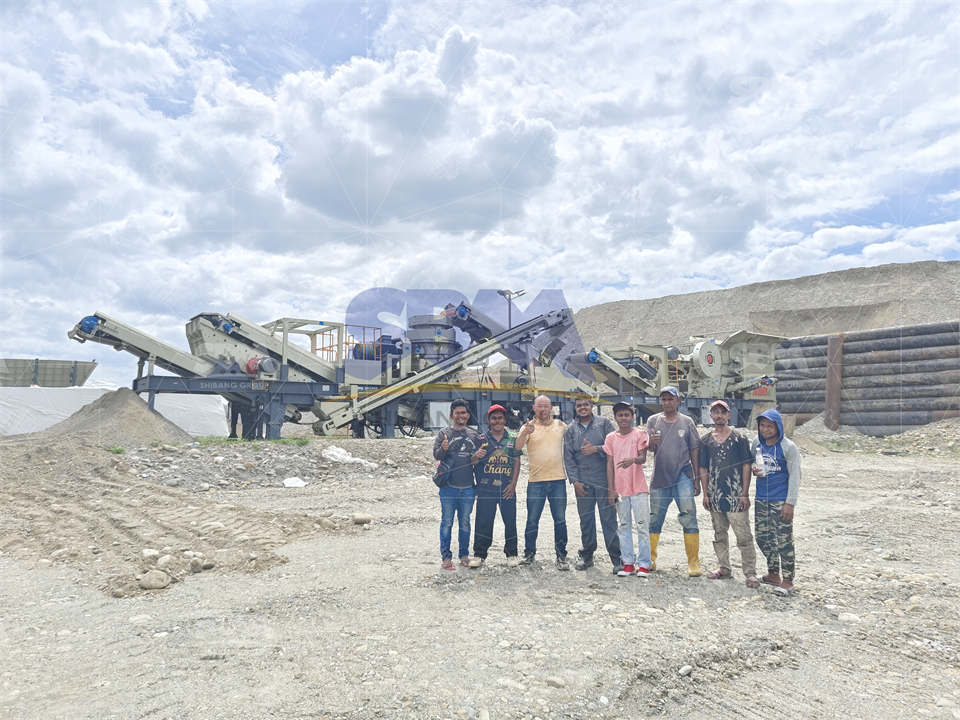
The terrain was steep. Building a concrete foundation was impossible. It cost too much money. It would take too long time. The customer wanted to start fast. They needed cash flow quickly. A stationary plant was not an option. So we chose a mobile station. It moves on tires. It is flexible.
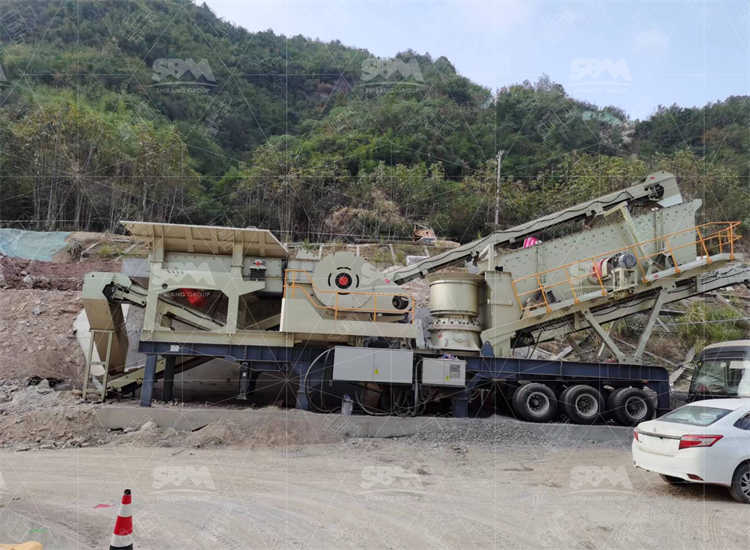
We used a two-stage crushing circuit. The first stage is a Jaw Crusher. The second stage is a Cone Crusher. Let’s look at how they work. You need to know this. It helps you run the plant better.
Think of a nutcracker. That is a jaw crusher. It has two plates. One moves and one stays still. The moving plate pushes the rock. The rock breaks against the fixed plate. The key parameter is the CSS. This stands for Closed Side Setting. It is the smallest gap at the bottom. It decides the size of the stone.
For this copper mine, we set the CSS to 100mm. Why? Because the next machine needs stones smaller than 120mm. We follow the SME Mining Engineering Handbook standards. The reduction ratio was 4:1. This is safe for the machine. It prevents clogging. It keeps the motor happy.
The cone crusher is different. It uses compression. A steel mantle wobbles inside a bowl. It squeezes the rock. It happens fast. The rock breaks and falls. The critical spec here is the “eccentric throw”. This is how much it wobbles. A bigger throw means more capacity. But it uses more power.
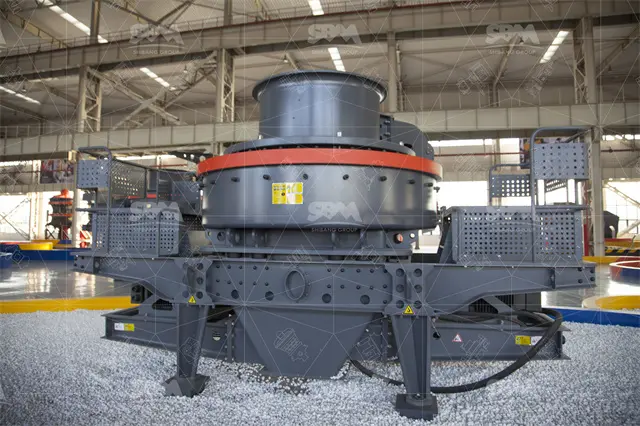
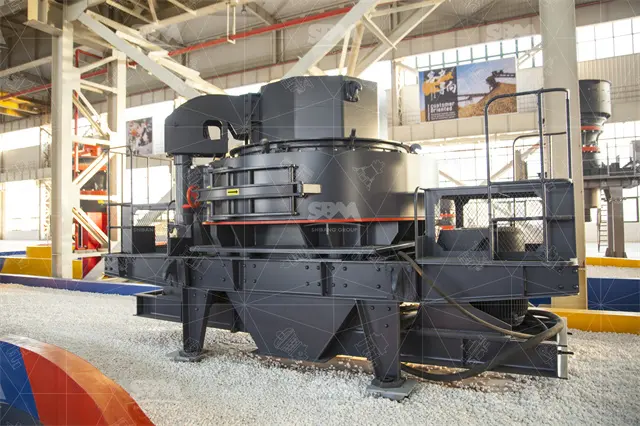
We used a hydraulic cone. It is smart. It protects itself. If a piece of iron falls in, it opens up. The iron falls out. The machine does not break. This is vital in remote mines. Spare parts are far away.
Numbers do not lie. Here is the data from the site. We measured this over three months. It shows the real performance. We compare design vs actual. This proves the SBM quality.
| Parameter | Design Value | Actual Value |
|---|---|---|
| Feed Size (Max) | 600 mm | 580 mm |
| Output Size (P80) | 12 mm | 11.5 mm |
| Throughput | 200 TPH | 215 TPH |
| Energy Consumption | 1.8 kWh/t | 1.65 kWh/t |
| Availability | 85% | 92% |
The capacity was higher than we thought. Why? Because we tuned the feeder well. The feeder keeps the crusher full. A full crusher works better. This is called “choke feeding”. It makes the rock shapes better. They are more cubic. Less flakes. This is good for the grinding mill later.
This is a common pain point. Many miners ask this. The machine stops. The belt is empty. You lose money. Usually, it is a blockage. Or it is a sensor error. In this project, we faced this too. The sensor was too sensitive. It stopped the feeder too often.
How did we fix it? We adjusted the logic control. We added a time delay. Now, the sensor waits 3 seconds. If the blockage clears, it keeps running. This simple change saved 2 hours a day. That is 400 tons of extra copper ore. Small changes make big money. Always check your sensor settings first.
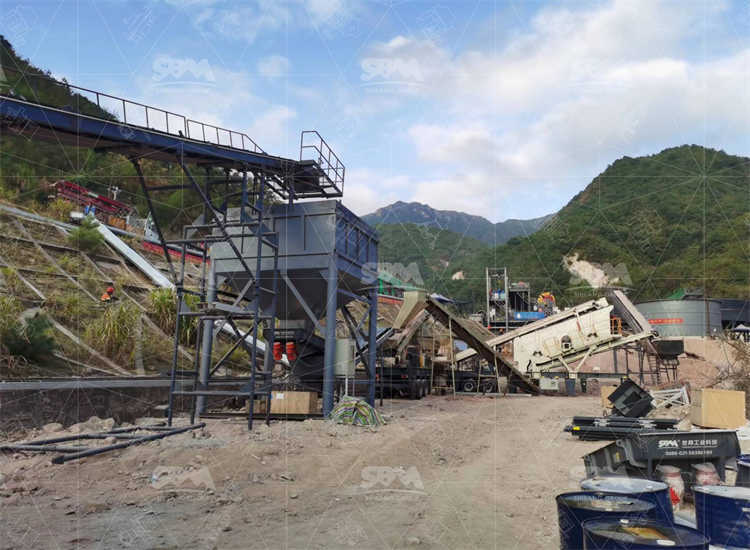
Many people think mobile is expensive. The machine cost is higher. Yes, that is true. But you must look at the total cost. This includes civil works. It includes installation time. Let’s compare them.
For a stationary plant, you pour concrete. You wait for it to dry. This takes weeks. You need cranes. You need steel structures. For this SBM mobile plant, we did none of that. We drove it in. We leveled the ground. We started in 3 days. The time saved paid for the machine. In mining, time is gold. Literally.
Let me tell you about the specific site. It was hot during the day. It was freezing at night. This thermal shock hurts metal. Welds can crack. We used SBM crushers with special steel. The frames are heat-treated. This removes internal stress.
The client had a problem with dust. The wind was strong. Dust kills engines. It blocks air filters. We installed a water spray system. It sprays mist at the discharge points. It traps the dust. The air filters lasted 3 times longer. The workers were happier too. Breathing clean air is important.
Customer Feedback: The site manager said something nice. “We expected trouble. We got production.” They hit the ROI target in 8 months. The original plan was 12 months. They were very happy.
Crushing is only half the job. Screening is the other half. If you cannot separate the rock, you fail. We used a vibrating screen. It has three decks. The top deck takes the big rocks. They go back to the crusher. The bottom deck takes the fines. They go to the mill.
We chose polyurethane panels. Why? Because copper ore is sharp. It cuts rubber. It wears out steel. Polyurethane lasts longer. It costs more upfront. But you change it less often. This means less downtime. We calculated the wear rate. It was 0.2mm per 1000 hours. This is excellent performance.
You must look after your machine. It is like a car. Change the oil. Check the filters. We gave the client a checklist. It is simple to follow. Do it every shift. Do not skip it.
| Component | Action | Frequency |
|---|---|---|
| Liner Bolts | Tighten | Daily |
| Conveyor Belt | Check Tracking | Daily |
| Gearbox Oil | Check Level | Weekly |
| Screen Mesh | Inspect Holes | Weekly |
| Grease Points | Lubricate | Daily |
The most important item is the liner bolts. If they get loose, the liner moves. This damages the frame. The frame is expensive. The bolts are cheap. Check the bolts every day. It takes 10 minutes. It saves thousands of dollars. We taught the operators how to listen. A loose bolt sounds different. It clicks. A good operator knows the sound of a happy machine.
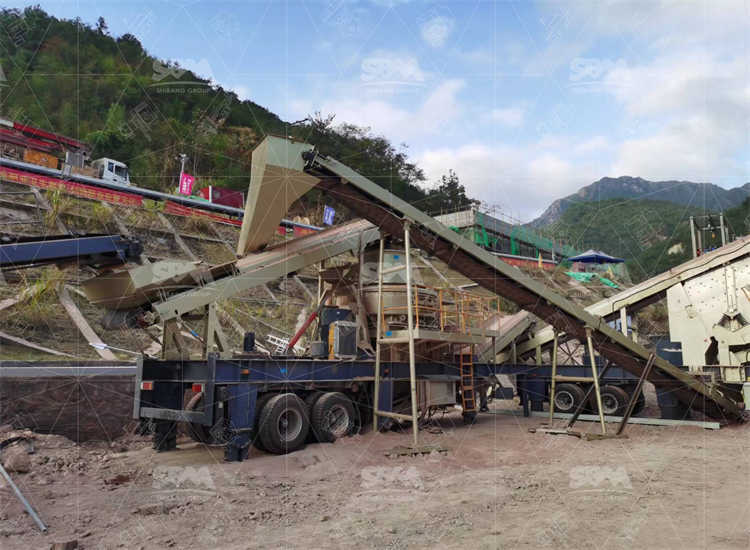
We used a diesel-electric drive. A diesel generator makes electricity. The motors are electric. This is efficient. Why? Because electric motors have high torque. They start easy. Even with a load. SBM uses Siemens or WEG motors. They are reliable. The generator was a Cummins. It handles altitude well.
The total power installed was 450kW. The consumption was only 320kW. We had spare power. This is good. It handles spikes. Sometimes a big rock comes. The power spikes. If you have no spare power, the generator trips. The plant stops. Always size your generator 1.5 times the load. It is a safety margin.
We see many mistakes. The biggest one is the ground. The ground must be flat. It must be hard. If the machine shakes, it sinks. If it sinks, it twists. We used timber sleepers. We put them under the jacks. This spreads the weight. It stops sinking.
Another mistake is the belt tension. People make it too tight. This kills the bearings. Or too loose. This slips. You need the sweet spot. We used a screw take-up. It is easy to adjust. We marked the correct position with paint. The operators just look at the paint. Visual aids help a lot.
This is a tricky one. Jaw crushers are okay. Cone crushers are okay. The problem is the screen. Sticky ore blinds the screen. The holes get plugged. If your moisture is over 6%, be careful. We suggest piano wire screens. They vibrate more. They clean themselves. Or use a washing stage. Do not ignore moisture.
It depends on the rock. For this copper mine, the jaw plates lasted 4 months. The cone mantles lasted 3 months. This is with 20 hours a day operation. The rock was abrasive. We used high manganese steel. Mn18Cr2. It gets harder as it works. It is the industry standard for a reason.
Yes, you can. That is the beauty of it. It has a kingpin. You hook it to a truck. It has brake lights. It has tires. It fits standard road widths. You might need a permit for the weight. But you do not need to take it apart. You just fold the conveyors. It is plug and play.
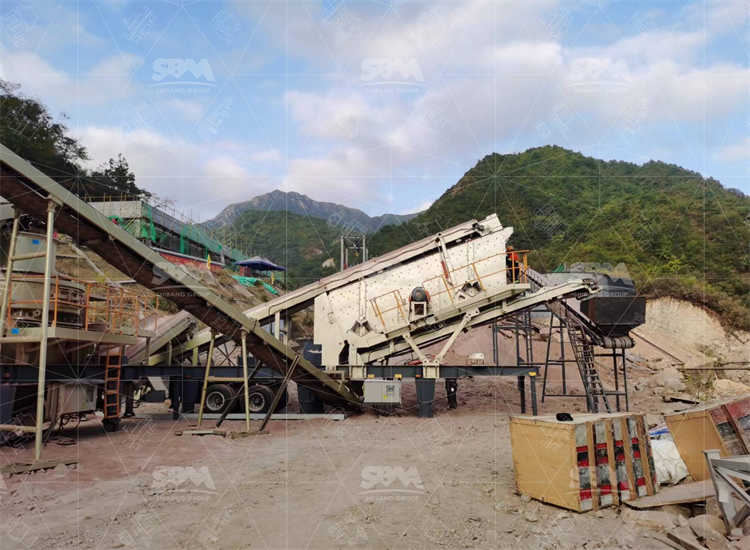
The mobile solution worked. It saved time. It saved money. SBM delivered on the promise. The copper mine is running well. The equipment is tough. It handles the altitude. It handles the dust.
If you have a remote mine, think about mobile. Do not build concrete. Build cash flow. Look at the rock hardness. Look at your power source. Choose a supplier who knows the process. Not just a machine seller. Someone who understands the rock.
Whatsapp:+8617329420102
Email: [email protected]
Address: No. 1688, Gaoke East Road, Pudong new district, Shanghai, China.
Online Service : Get Price
We value your feedback! Please complete the form below so that we can tailor our services to your specific needs.