Summary: Blockage in impact crushers stops production and costs money. This article explains why it happens and how to fix it. We cover working principles, key parameters, and maintenance tips. You will see real data and SBM case studies. We use simple words so everyone understands. Read this to keep your mine running smooth.
You must know how the machine works first. Impact crushers use impact energy. Not pressure like jaw crushers. The rotor spins very fast. It is driven by a strong motor. The speed is usually 30 to 50 meters per second. This is high speed.
Stones enter the crushing cavity. The blow bar hits the stone. The stone breaks instantly. Then, the stone hits the impact plate. It breaks again. This happens many times. The stone bounces back and forth.
Why is this important? Because blockages happen when this flow stops. If the rotor is too slow, stone does not break. If the gap is too small, stone cannot leave. We call the gap CSS (Closed Side Setting). This determines the output size. Understanding this flow helps us find the problem.
Blockage is a big headache. There are three main reasons. First is material moisture. Wet stuff sticks. If moisture is over 10%, it builds up. It sticks to the impact plate. It makes the cavity smaller. Then, nothing passes.
Second is the feed size. If rocks are too big, they get stuck. They sit on the rotor. They do not enter the crushing zone. This is dangerous. It damages the blow bar. You must check the max feed size. Always respect the limit.
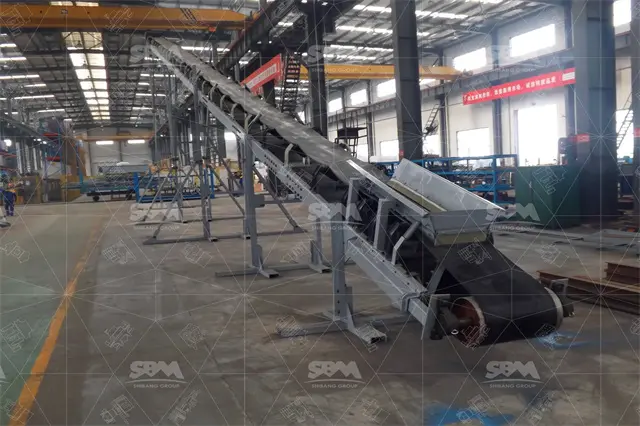
Third is the discharge speed. If the belt conveyor is slow, piles grow. The pile blocks the outlet. The crusher fills up from the bottom. This burns the motor. You must match the conveyor speed. It should be 1.5 times the crusher capacity.
You need to check your numbers. Data is truth. Don’t guess. Look at the Reduction Ratio. This is input size divided by output size. For impact crushers, it is usually 10:1 or 15:1. If you push for 20:1, you get blockage.
Check the Motor Power. If the rock is hard, you need more power. Hard rock needs more energy to break. If power is low, the rotor slows down. When the rotor slows, rocks pile up. This causes a jam immediately.
Look at this data table. It shows the safe range.
| Parameter | Standard Range | Why it Matters |
|---|---|---|
| Rotor Speed | 35 – 45 m/s | Creates breaking energy |
| Feed Moisture | < 8% | Prevents sticky buildup |
| Motor Power | 132 – 250 kW | Keeps rotor spinning |
| CSS Gap | 15 – 40 mm | Controls product size |
Why follow this? Because limits exist for a reason. The journal Minerals Engineering says 60% of blocks are user error. Do not ignore the manual. Adjust your settings to match the stone.
Wet material is the worst enemy. Clay is bad too. If it rains, you have trouble. But you can fix it. First, install a pre-screen. This removes the dirt and mud. Only clean rock enters. This stops sticking inside.
Why do this? Because mud acts like glue. It catches small stones. It builds a wall on the impact plate. A screen removes 20% of the bad feed. This saves the crusher. It is a cheap fix.
Another trick is heaters. Some plants heat the inlet chute. This dries the clay a bit. It slides better. Also, use slick liners. Plastic or polymer liners help. The mud slides off. It does not stick. SBM uses this often.
The gap is key. If the gap is tight, you get fine sand. But you get low volume. If the gap is wide, you get rocks. But you get high volume. You must find the balance. We call this the sweet spot.
Use the hydraulic system. Modern crushers have hydraulic assist. You press a button. The apron moves. You can change CSS in 5 minutes. Old machines take 2 hours. Upgrade your machine if you can.
Check the gap every week. Blow bars wear out. The gap gets bigger. Or sometimes, it gets blocked. If you see big rocks in the pile, check the gap. Keep it consistent. This ensures smooth flow.
The motor drives the rotor. It uses V-belts usually. Or a fluid coupling. Are the belts tight? Loose belts slip. When a big rock hits, the rotor stops. But the motor spins. The belt burns. Smell the smoke?
Why check tension? Because slip loses energy. You lose 10% torque. The rotor cannot break the rock. The rock sits there. Blockage starts. Check tension monthly. Replace belts in sets. Never mix old and new belts.
Also, look at the Ammeter. This measures current. If amps go high, load is high. If amps spike, a jam is coming. Stop the feed. Let the crusher clear. Then start feed again. Watch the needle.
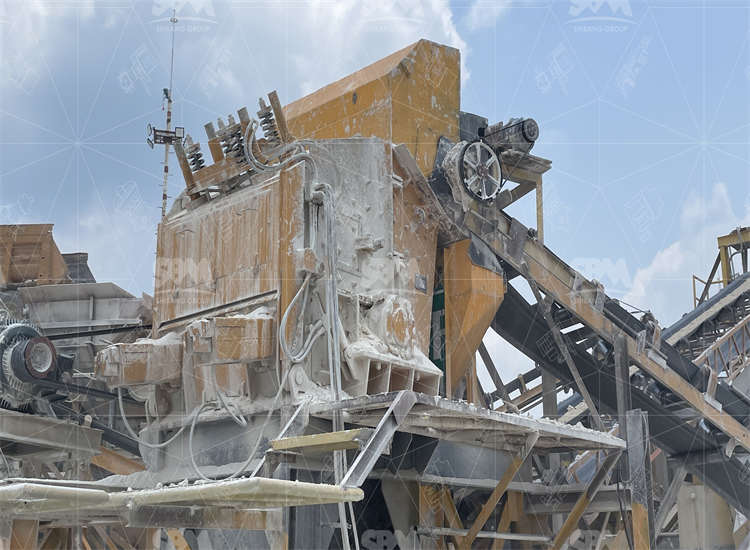
Let’s talk about a real job. We helped a quarry in Peru. They had big trouble. The stone was wet limestone. It rains a lot there. Their old crusher blocked every 2 hours. Production was zero. They were losing money fast.
The Problem: The feed contained 15% clay. The cavity was small. The liners were rough steel. Mud built up 10cm thick. The rotor could not spin.
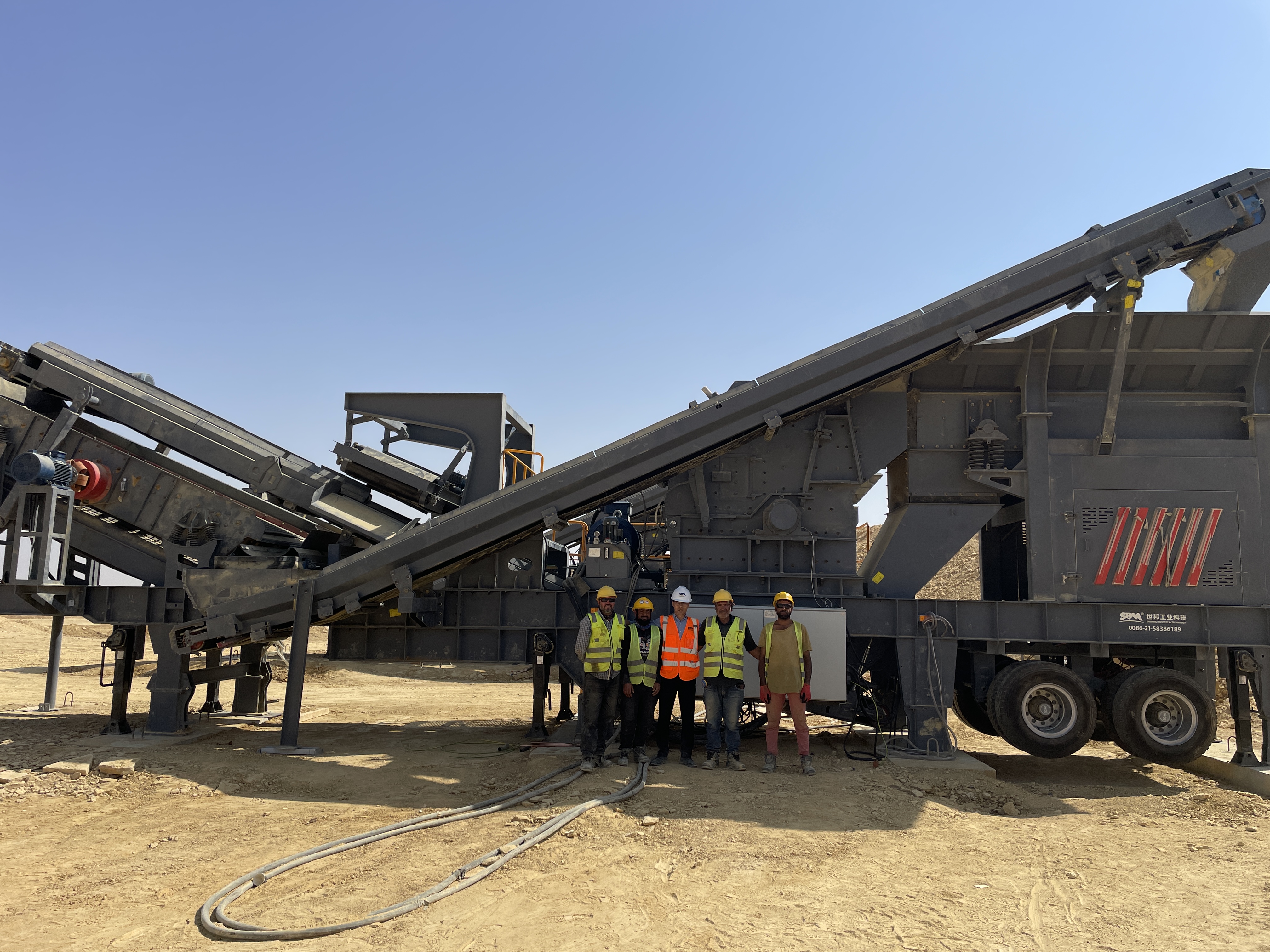
The Solution: We installed a SBM PF-1315 Impact Crusher. We did three things.
1. We added a vibrating feeder with a grizzly bar. This took out the mud.
2. We installed heaters on the inlet.
3. We increased the rotor speed to 38 m/s.
The Result: Blockage stopped. Capacity went to 180 tons per hour. The manager, Mr. Luis, said: “We saved our season. The SBM machine eats the rock. No more stopping.” Maintenance dropped by 40%.
Another story is in Africa. Hard granite. The client wanted 20mm stones. They set the gap very small. The machine choked. The motor tripped out. The granite was too hard for the tight gap.
The Fix: We changed the design. We used a “Primary + Secondary” setup. We opened the gap on the first crusher. We let it do rough work. The second crusher did fine work. We balanced the load.
Why? Because one machine cannot do it all. Splitting the work saves energy. The blockage stopped instantly. The wear on blow bars went down. Profits went up. Design matters more than power.
Yes, it does. Modern sensors are smart. They watch the machine for you. A level sensor sits over the cavity. It sees the rock level. If it gets too high, it signals the feeder. The feeder slows down.
This is automatic. No human needed. It reacts in 1 second. A human takes 10 seconds. That 9 seconds prevents a jam. It keeps the choke feed optimal. Not too full, not too empty.
We suggest PLC control. It links the crusher and conveyor. If the conveyor stops, the crusher stops feeding. This is interlock logic. It prevents burying the crusher. It is a must-have for safety.
You want to sleep well? Maintain the machine. Do not wait for a break. Check these things often. Make a list. Give it to the operator.
Daily: Listen to the noise. Is it smooth? Check belt tension. Check oil level. Look for leaks. Weekly: Open the door. Look at the liners. Are they loose? Check the blow bar wear. Flip them if needed. Monthly: Check the foundation bolts. Tighten them. Grease the bearings.
Why? Because loose parts cause vibration. Vibration causes cracks. Cracks lead to failure. A clean machine runs better. It sounds simple, but many forget.
Blockage costs more than you think. It is not just lost stone. It is labor cost. It is crane cost. It is energy waste. Let’s look at numbers. Say you sell stone for $10 per ton. You make 200 tons per hour.
One hour of stop is $2,000 lost revenue. Plus, you pay 4 guys to dig it out. That is $200 wages. Plus risk of injury. A blockage once a day costs $60,000 a month. A good SBM crusher pays for itself quickly.
Invest in good design. Do not buy cheap junk. Cheap machines block often. You pay later. Buy quality first. It is cheaper in the long run. Ask any successful mine boss.
This is a common question. Yes, you can. But you have limits. If it is dripping wet, no. If it is just damp, yes. You need a large discharge opening. You need to remove the grizzly bars in the feeder.
Why? Removing bars lets mud pass through. It does not enter the crusher. Also, increase the rotor speed slightly. The centrifugal force throws the mud off. It self-cleans. But keep moisture under 15% if possible.
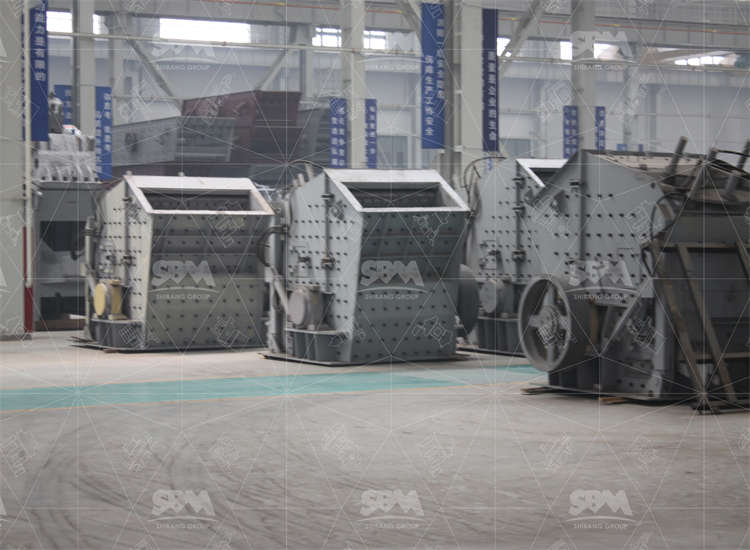
Vibration is a warning. It usually means the rotor is unbalanced. Did a blow bar break? Is one side worn more? You must weigh the bars. They must be equal weight.
Why? The rotor spins fast. Even 1kg difference creates huge force. This shakes the foundation. It breaks bearings. Check balance every time you change parts. Also, check if stone is stuck in the rotor body.
Material choice stops breakage. For hard rock, use High Chrome. It is hard but brittle. For soft rock, use High Manganese. It is tough but wears fast. For mixed rock, use Ceramic composites.
Why? If you use Chrome on iron ore, it might crack. If you use Manganese on silica, it wears in 2 days. Matching the metal to the rock extends life. It saves change-out time. Fewer stops mean less blockage risk.
Preventing blockage is about discipline. It is about matching the feed to the machine. It is about regular checks. Remember the basics. Control the moisture. Watch the feed size. Maintain the power.
Use SBM equipment for reliable results. We design for the real world. We know mining is tough. Our machines are tougher. Follow these tips. Your production will flow like water. No more jams. No more headaches.
Do you want to optimize your plant? Contact us today. We can review your layout. We can suggest the right settings. Let’s make your mine profitable together.
Whatsapp:+8617329420102
Email: [email protected]
Address: No. 1688, Gaoke East Road, Pudong new district, Shanghai, China.
Online Service : Get Price
We value your feedback! Please complete the form below so that we can tailor our services to your specific needs.