Jaw crushers are tough machines. They crush hard rocks all day. But they are not perfect. Sometimes they stop working. Sometimes they make strange noises. This hurts your production. It costs you money. I have seen this many times in the field. I know how frustrating it is.
I work for SBM. We make mining machines. I have spent years on mine sites. I see the same problems again and again. Operators panic. They do not know what to do. But the fixes are often simple. You just need to know where to look. This guide is for you. It is simple. It is practical.
We will look at 10 common problems. I will tell you why they happen. I will tell you how to fix them. We will also look at real data. We will look at real cases from SBM. Let’s get your crusher running again.
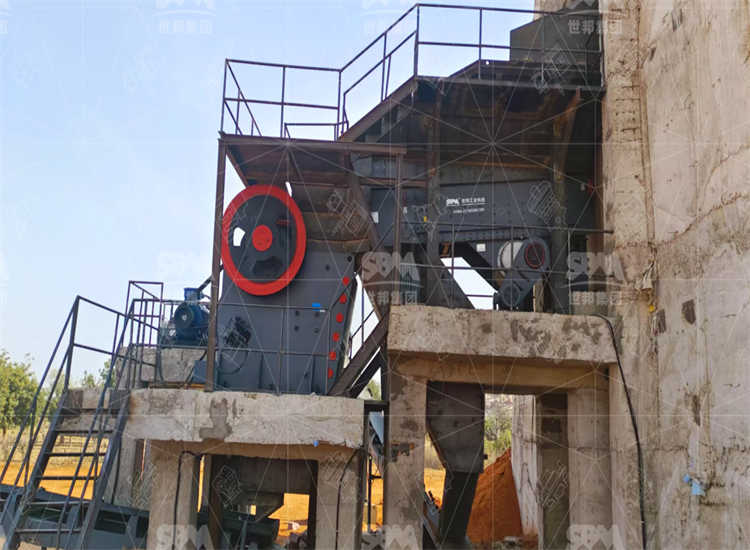
This is the most common issue. The machine stops. Rock is stuck inside. Nothing moves. It is a headache.
Why this happens: Usually the feed size is too big. The rock cannot fit down the chamber. Or the ore is wet. Wet ore sticks to the jaw plates. It builds up. This packs the chamber tight.
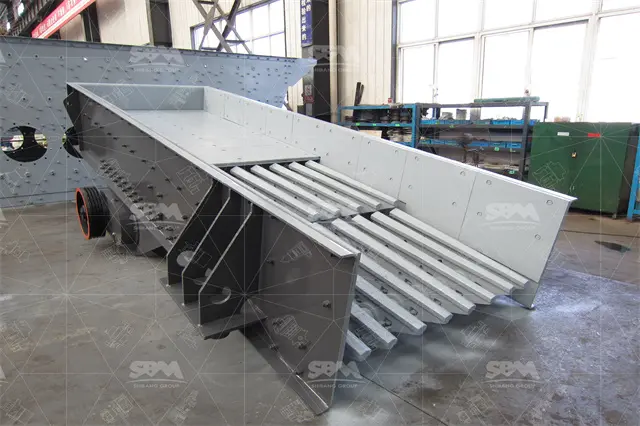
How to fix it: Stop the feeder immediately. Do not force it. Clear the material manually. If it is big rocks use a hydraulic breaker. If it is sticky clay clean the jaw plates. In the future control your feed size. Use a grizzly feeder to screen out fines. This keeps the chamber clean.
The toggle plate is a safety part. It is meant to break. But not every day. If it breaks too much you have a problem.
Why this happens: There might be “tramp iron” in the feed. This means metal parts like digger teeth. The machine cannot crush steel. So the plate snaps. Or the spring tension is wrong. If it is too loose the plate flaps around. It cracks from fatigue.
How to fix it: Install a metal detector on the belt. Use a magnetic separator. This stops iron entering. Check your tension rod spring. Tighten it correctly. Make sure the toggle seat is lubricated. This reduces friction.
Bearings should be warm. Not hot. If you cannot touch the housing it is too hot. This is dangerous. It can seize the shaft.
Why this happens: Usually it is grease. Too much grease is bad. Too little grease is bad. Or the grease is dirty. Dust gets inside. Sometimes the bearing is worn out. The clearance is too big. This causes heat.
How to fix it: Check your lube schedule. Fill it to 50% or 70% volume. Do not overfill. Clean the grease nipples before pumping. If the bearing is old replace it. Use high quality grease. We use lithium base grease at SBM. It handles heat well.
The machine runs. But output is low. You are not hitting your tons per hour targets. The boss is unhappy.
Why this happens: The discharge opening (CSS) is too small. You are trying to crush too fine. Or the motor speed is wrong. If the belt slips the RPM drops. This kills momentum.
How to fix it: Check the CSS (Closed Side Setting). Open it up a bit. Let the secondary crusher do more work. Check the V-belts. Are they loose? Tighten them. Ensure the motor power matches the rock hardness. Hard rock needs more power.
Jaw plates cost money. You want them to last. But sometimes they wear out in one spot. This is waste.
Why this happens: The feed is not centered. The rock falls to one side. Or the material is segregation. Fines go one way. Rocks go the other. This wears the bottom fast.
How to fix it: Adjust the feeder. Center the material flow. The rock must cover the full width. Rotate the plates regularly. Flip them top to bottom. This spreads the wear. SBM plates are reversible. This doubles their life.
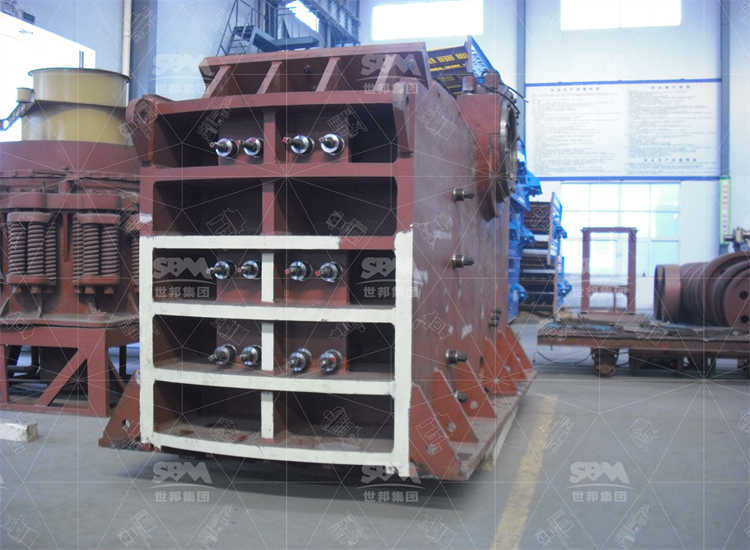
You hear a loud bang. Or a rhythmic knocking. It sounds scary. It should sound scary.
Why this happens: Something is loose. Usually the flywheel key. Or the tension rod spring is broken. The toggle plate knocks against the seat. Or the jaw plate bolts are loose.
How to fix it: Stop the machine. Inspect all bolts. Tighten the jaw plate wedges. Check the flywheel connection. Replace the tension spring if it is weak. Do not run with a knock. It will destroy the shaft.
The drive belts transfer power. If they slip you lose power. If they break you stop.
Why this happens: They are loose. Or they are old. Oil on the belts causes slip. Misalignment of sheaves cuts the belts.
How to fix it: Clean the belts. Keep oil away. Check alignment with a laser or string. Move the motor to tighten belts. Replace them in sets. Never mix old and new belts. New belts carry all the load. They will break.
Dust is bad for health. It is bad for machines. It gets into bearings.
Why this happens: Dry ore generates dust. Wind blows it around. Seals are worn out.
How to fix it: Use water sprays at the discharge. Install dust covers. Use a dust collector system. Check the labyrinth seals on bearings. Grease them well to seal out dust.
The motor runs. The big wheel turns. But the crushing action stops. This is confusing.
Why this happens: The tension rod broke. The toggle plate fell out. Or the eccentric shaft broke (very bad).
How to fix it: Inspect the back of the crusher. Is the spring gone? Replace it. Is the toggle plate on the floor? Put it back. If the shaft is sheared you need a major repair. Call the manufacturer.
You see oil on the frame. It is messy. It attracts dirt.
Why this happens: The oil seal is damaged. The oil level is too high. The return pipe is blocked.
How to fix it: Clean the breather. If pressure builds oil leaks. Replace the rubber seals. Check the oil level plug. Drain excess oil.
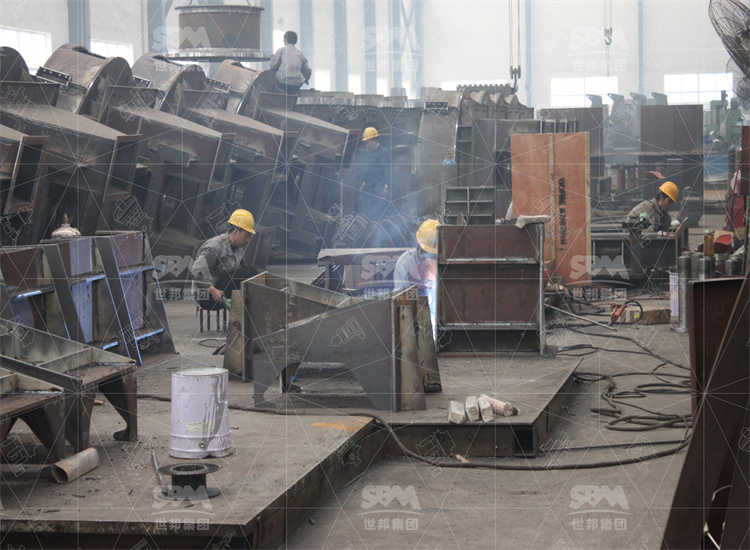
You must understand CSS. CSS stands for Closed Side Setting. It is the smallest gap at the bottom. It decides your product size. If you set CSS to 50mm most rocks will be around 50-70mm.
There is also OSS. This is Open Side Setting. This is when the jaw pulls back. The gap is biggest. The stroke is the difference. Stroke = OSS – CSS.
Key Parameter Table
| Parameter | Description | Standard Range |
|---|---|---|
| CSS | Closed Side Setting | Adjustable |
| Eccentric Speed | Shaft RPM | 200-300 RPM |
| Nip Angle | Angle between jaws | 18-22 degrees |
| Reduction Ratio | Feed vs Product | 4:1 to 6:1 |
If the nip angle is too big the rock pops out. It flies up. This is dangerous. If it is too small you lose capacity. SBM engineers calculate this precisely.
Liner wear is the biggest cost. Every ton crushed costs money in steel. Are you changing liners every month? That is too often. Why does this happen?
Reason 1: Wrong Material. Many people use low manganese steel. It is cheap. But it wears fast. You need Mn18Cr2. This is high manganese with chrome. It gets harder as it works.
Reason 2: Wrong Profile. Flat plates are okay for soft rock. Corrugated plates are better for hard rock. The teeth bite the rock. They break it faster.
SBM Solution: We use specific alloy ratios. We test the rock first. Then we cast the plate. This saves you money in the long run.
Let me tell you a story. We had a client in Sudan. It was a gold mine. They had an old crusher. It was a disaster.
Location: Sudan Desert.
Material: Gold ore with Quartz.
Feed Size: 500mm.
Problem: The old crusher vibrated poorly. The foundation cracked. Bearings failed every 3 months. Production stopped constantly. They were losing $5000 a day.
We sent a team there. We inspected the site. The foundation was weak. The crusher was unbalanced. We replaced it with a SBM PE-600×900 Jaw Crusher.
Step 1: We poured a new concrete foundation. We used anchor bolts with damping pads. This stopped vibration transfer.
Step 2: We installed the PE-600×900. It has a deep crushing cavity. The nip angle is optimized at 21 degrees. It grips the quartz well.
Step 3: We trained their workers. We showed them how to grease the bearings. We showed them how to check the toggle plate.
The manager Mr. Ahmed was happy. He said ” The machine is quiet now. We process 400 tons a day. No stops.” The bearing temperature stayed at 65°C. This is perfect. Maintenance costs dropped by 60%.
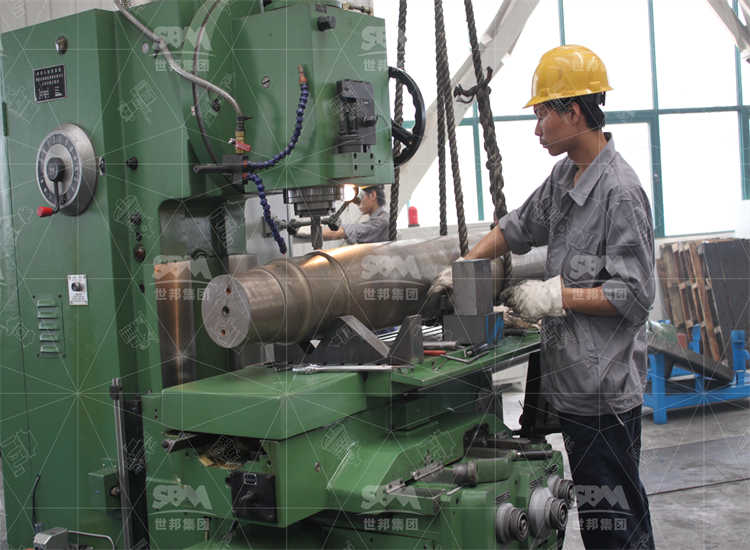
Another case. This was hard granite. Very abrasive. The client complained about wear. Their liners lasted 3 weeks. It was too expensive.
The rock hardness was f=14. Very hard. The silica content was high. Standard Mn13 plates were useless. They were soft like butter.
We did not change the machine. We changed the metal. We supplied SBM Super-Mn liners. We added Molybdenum. This makes the steel tough.
The new liners lasted 9 weeks. That is 3 times longer. The client saved $20,000 in one year just on parts. SBM knows metallurgy. We do not just sell iron. We sell solutions.
A good start is half the battle. If you install it wrong it will break. Listen to this advice.
1. Foundation: It must be flat. Use a spirit level. If it is not flat the frame twists. This cracks the frame.
2. Motor Position: The motor must be aligned. Use the slide rails. If the belt is crooked the bearings take side load. They will fail.
3. Running In: Run the machine empty for 4 hours. Check temperatures. Check noises. Then add 50% load. Then 100%. Do not go full load on day one.
A: It depends on hours. Usually every 8 hours of operation. Add a small amount. Do not pack it full. Clean the old grease out every 2000 hours. This removes metal particles.
A: No. Manganese steel is hard to weld. The heat changes the structure. It becomes brittle. It will break again near the weld. It is safer to replace it.
A: The nip angle is too large. The jaws are too open at the top. Or the rock is round and wet. Try reducing the CSS slightly. Or weld bead lines on the jaw plate to add grip.
Jaw crushers are simple machines. But they need care. Watch the feed. Watch the grease. Listen to the sound. If you treat it well it works for years. SBM builds them strong. But you must operate them smart.
Do not ignore small noises. Small noises become big costs. Use the right liners for your rock. Check your settings. If you need help SBM is here. We have the parts. We have the experts.
Mining is hard work. Your equipment should help you not fight you. Keep it running. Keep it crushing.
If you have questions contact us. We are SBM. We know mining.
Whatsapp:+8617329420102
Email: [email protected]
Address: No. 1688, Gaoke East Road, Pudong new district, Shanghai, China.
Online Service : Get Price
We value your feedback! Please complete the form below so that we can tailor our services to your specific needs.